
Neurosurgical Leadership at Muhimbili Orthopaedic and Neurosurgery Institute: Building Sustainable Capacity in Tanzania
Written by Dr. Lemeri L. Mchome, Director of Neurological Surgery, Muhimbili Orthopaedic and Neurosurgery Institute (MOI), Dar es Salaam, Tanzania
Introduction
At the Muhimbili Orthopaedic and Neurosurgery Institute (MOI) in Dar es Salaam, neurosurgical
leadership is defined not only by operative skill, but also by the capacity to build durable systems of care. In resource-constrained settings, where the burden of neurotrauma, hydrocephalus, neoplasia, stroke, infection, and degenerative spinal disease routinely exceeds workforce capacity, leadership must extend beyond the operating theater. It must align clinical service, training, and institutional partnership so that care becomes more accessible, more locally governed, and more sustainable over time.1,4
MOI provides a compelling example of this model. Its development illustrates a central principle in
global surgery and global neurosurgery: Enduring progress is most credible when it is led locally,
reinforced through structured training, and supported by partnerships that expand capability rather than create dependence.2-4
Institutional Development of MOI
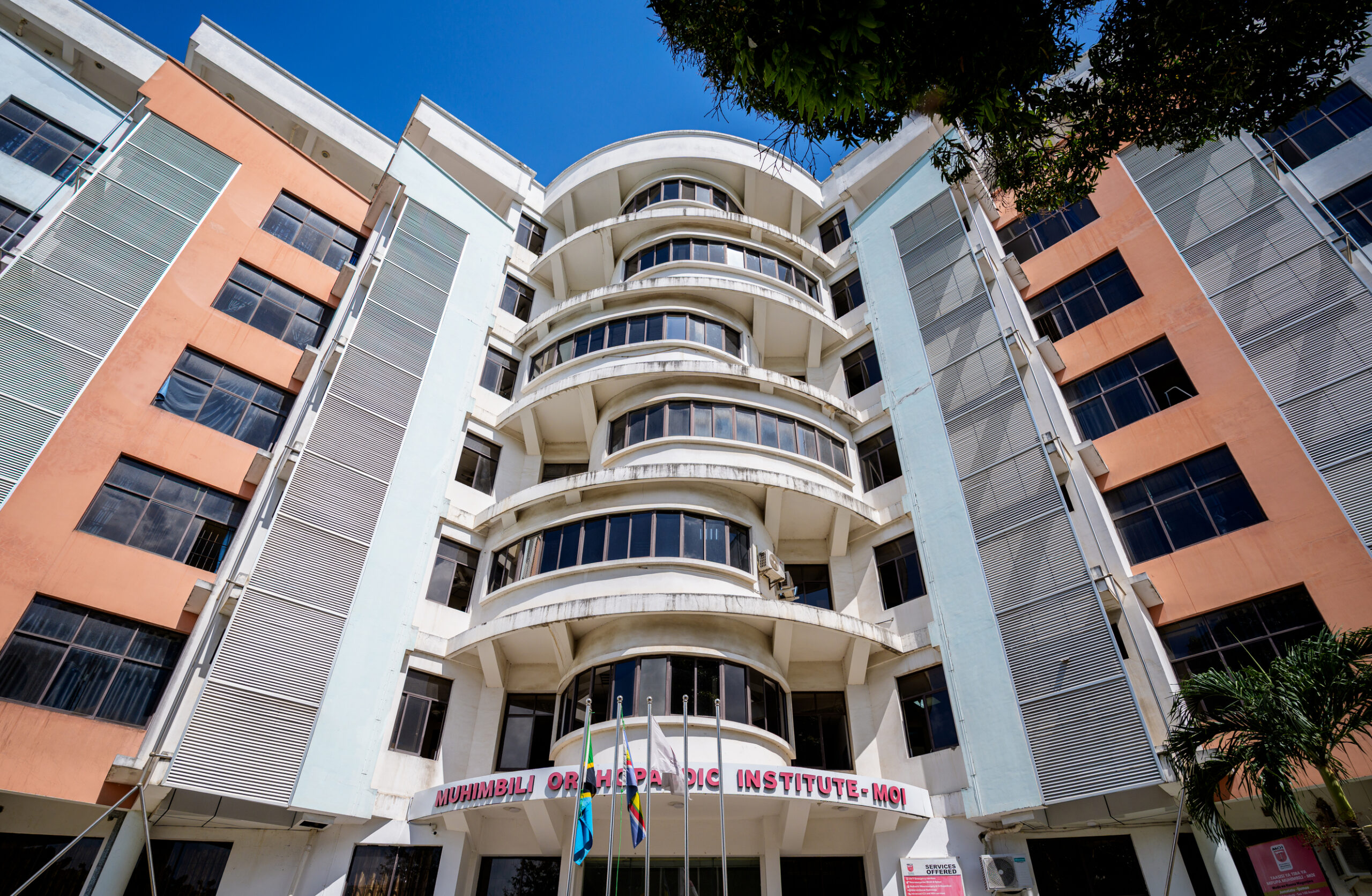
Situated within the Muhimbili complex, MOI has evolved into one of Tanzania’s principal referral centers for orthopaedics, trauma, and neurosurgery. The institution serves a population with substantial unmet need across emergency and elective neurosurgical conditions and has progressively expanded from a service-oriented hospital into a center for training, regional collaboration, and program development.2,3
This institutional maturation is important because it reframes leadership as stewardship. The central achievement is not simply procedural growth, but the creation of a platform through which expertise can be retained, transmitted, and adapted to local realities. For a surgical publication audience, this distinction is critical: Durable excellence depends on systems that make high-quality care reproducible, not episodic.4
Clinical Program and Service Scope
The neurosurgical program at MOI reflects this broader institutional trajectory. Available descriptions of the program and its collaborations indicate active development in brain and spine surgery, neurotrauma, hydrocephalus management, neuro-oncology, and minimally invasive cranial and spinal techniques. Additional efforts have included image-guided and ultrasound-supported approaches selected for contextual appropriateness and sustainability.2,3
Equally important, these services are supported by a broader perioperative ecosystem that includes nursing education, critical care capability, and multidisciplinary coordination. That structure is essential. High-quality neurosurgery is not sustained by surgeons alone; it depends on standardized pathways, perioperative reliability, and teams capable of delivering safe care before, during, and after the procedure. In this respect, MOI’s programmatic growth reflects thoughtful leadership rather than isolated technical expansion.2,3
Training and Leadership Development
Residency and Workforce Development
A defining milestone in MOI’s development was the establishment of a new Mmed neurosurgery
residency training program in 2024, undertaken with support from international collaborators.2 In-country specialist training remains one of the most important mechanisms for strengthening workforce retention, cultivating future faculty, and advancing national self-sufficiency.4 By creating a structured postgraduate pathway within Tanzania, MOI helped shift neurosurgical development from episodic external training toward longitudinal domestic capacity building.
This model also carries a leadership dividend. Faculty members who train, mentor, and evaluate
residents within their own institution create a culture of accountability and continuity. The result is not simply a larger workforce, but a stronger professional pipeline through which clinical judgment, institutional values, and standards of care can be transmitted across generations.2,4
Continuing Professional Education
Recurring educational programs in Dar es Salaam have reinforced that trajectory. The long-standing neurosurgery training course organized with Weill Cornell Medicine has functioned as more than a conference; it has served as a platform for cascade learning, regional exchange, and service improvement. A published evaluation demonstrated improved self-reported knowledge and confidence among both physicians and nurses across all neurosurgical topics addressed, with especially notable gains in neurovascular care, neuro-oncology, and minimally invasive spine surgery.3
For surgical leaders, the importance of these findings lies in their operational implication. Educational interventions are most valuable when they are recurrent, measurable, and linked to local service priorities. MOI’s training experience suggests that leadership is strengthened when continuing education is treated as an institutional function rather than a stand-alone event.3
Partnership, Governance, and Local Ownership
MOI’s experience also underscores that successful global partnerships depend on disciplined
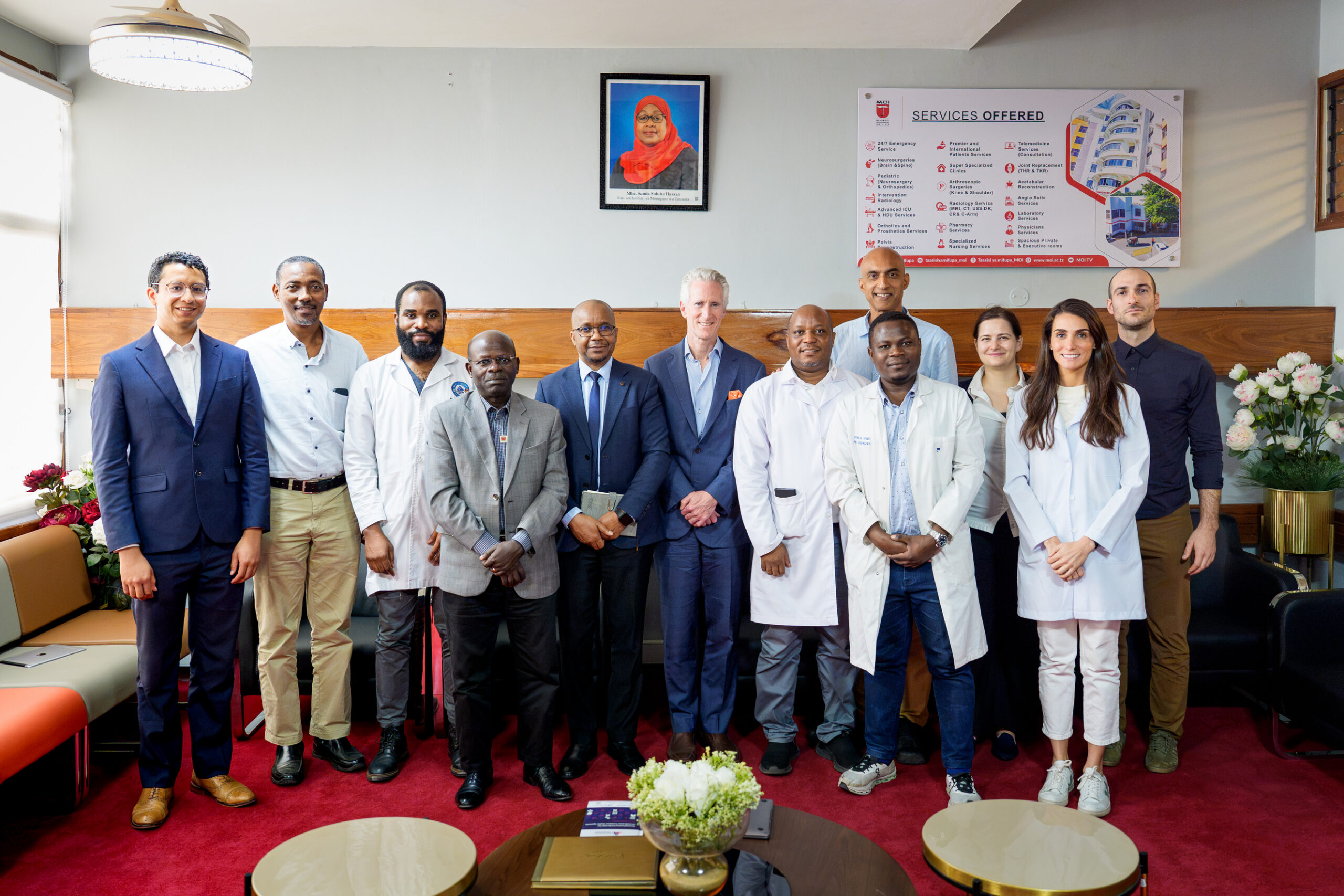
governance. Contemporary analyses of sustainable neurosurgical capacity building emphasize clear communication, cultural humility, long-term commitment, and initiatives directed by host-country leadership.4 The relevance to MOI is evident: Partnerships are most effective when they support residency development, faculty advancement, equipment-linked training, and operational systems within Tanzania, rather than substituting for them.2-4
This distinction is especially important for publication in a professional surgical forum. Partnerships merit recognition not because they are international, but because they are structured to leave behind greater capability, stronger local leadership, and more resilient systems of care. By that standard, MOI offers a persuasive example of partnership in service of institutional sovereignty.2-4
Strategic Direction
The next phase of development should build deliberately on these established strengths. First, MOI is well positioned to deepen subspecialty capacity in neuro-oncology, cerebrovascular care, minimally invasive spine surgery, and neurocritical care, provided that new technologies are selected for maintainability, affordability, and teachability.2,3 Second, leadership development should continue to expand across disciplines, including nursing, anesthesia, rehabilitation, and operating theater practice, because neurosurgical outcomes depend on coordinated team performance rather than isolated technical expertise.3
Third, the institute would benefit from continued investment in outcomes measurement, quality
improvement infrastructure, and collaborative research aligned with local priorities. Such systems
strengthen both accountability and advocacy, enabling clinical leaders to demonstrate value, define needs, and guide future investment. Finally, MOI has the potential to expand its role as a regional training center through short courses, mentorship networks, and train-the-trainer models that extend expertise across Tanzania and East Africa.2,3
Thus, MOI’s strategic direction prioritizes three linked objectives. First, improve patient care by
building integrated pathways in neuro-oncology, stroke, neurotrauma, pediatric neurosurgery, and
rehabilitation, while strengthening referral discipline from regional and zonal hospitals. Second, produce skilled labor by using MOI’s residency base, multidisciplinary tumor board culture, and conference partnerships to anchor a larger national training pipeline for surgeons, neuro-anesthesiologists, nurses, rehabilitation professionals, neuroradiologists, and allied staff. Third, organize innovation around measurable public benefit.
Conclusion
For the wider surgical community, MOI illustrates a rigorous and modern conception of neurosurgical leadership. Leadership is not merely visibility or technical distinction; it is the disciplined work of building services, training successors, evaluating outcomes, and ensuring that partnerships produce independence rather than dependency.1-4 The continued growth of neurosurgical care in Tanzania will therefore rest not only on successful operations, but on sustained institutional leadership capable of multiplying those successes across time, teams, and geography.
References
- Barrow Neurological Institute. Barrow Global [Internet]. Phoenix (AZ): Barrow Neurological Institute; [cited 2026 Jun 14].
- University of Colorado Anschutz Medical Campus. Global Neurosurgery – Tanzania [Internet]. Aurora (CO): CU Anschutz Department of Neurosurgery; [cited 2026 Jun 14]. Available from:
- Zuckerman SL, Frerichs KU, Hartl R, et al. The effect of the Dar es Salaam neurosurgery training course on self-reported knowledge and confidence in the management of neurosurgical disorders. World Neurosurg X. 2023;19:100221.
- Davis MC, Haglund MM, Bhowmick DA, et al. Building sustainable neurosurgical capacity: lessons from the Duke Division of Global Neurosurgery and Neurology. Neurosurg Focus. 2025;58(3):E4.
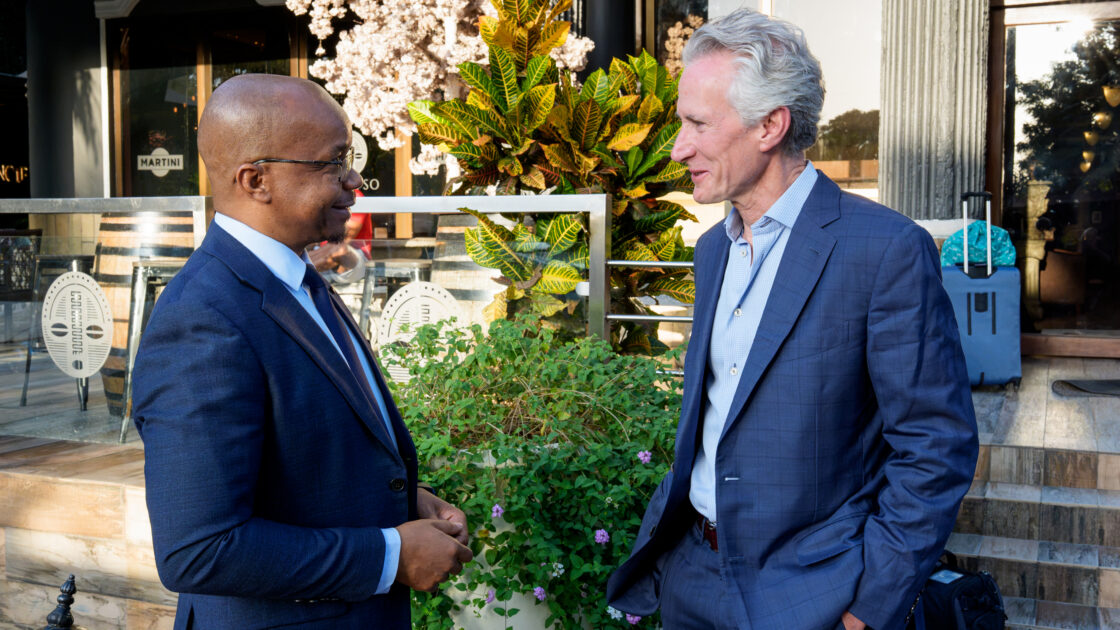
Top photo: Dr. Lemeri L. Mchome and Barrow President and CEO Michael T. Lawton, MD, have a conversation in Dar es Salaam, Tanzania.