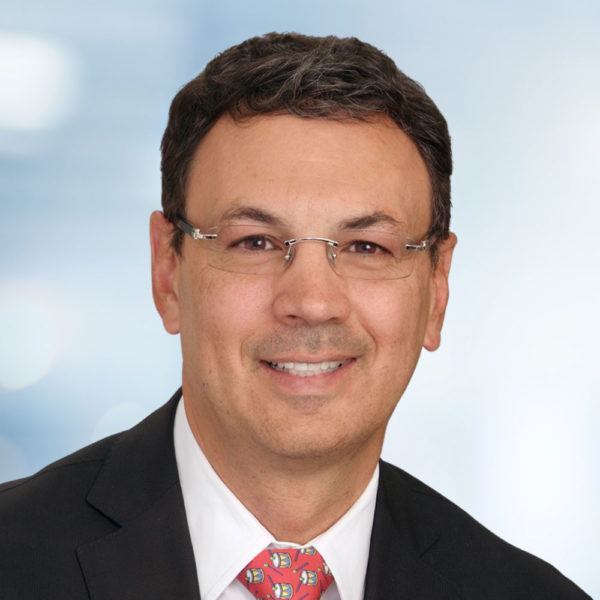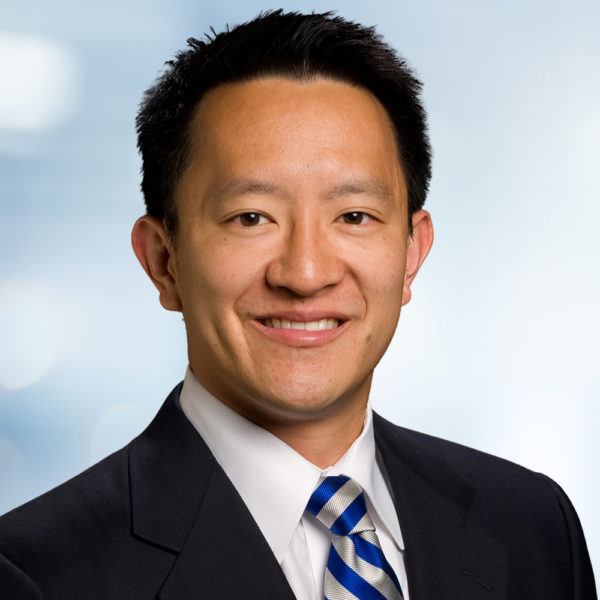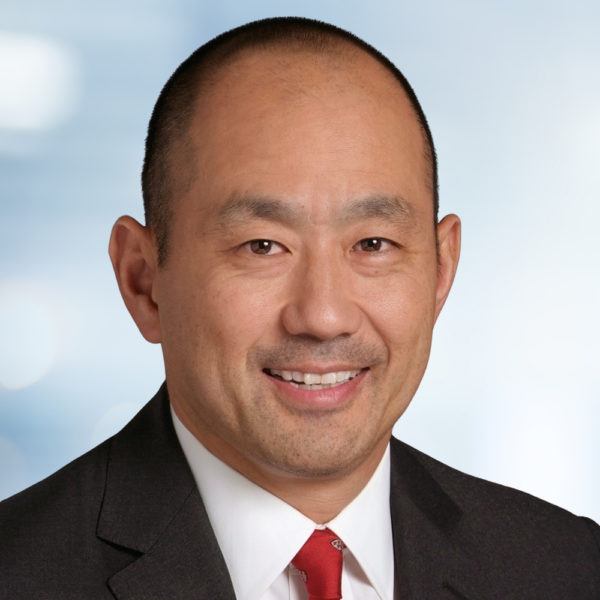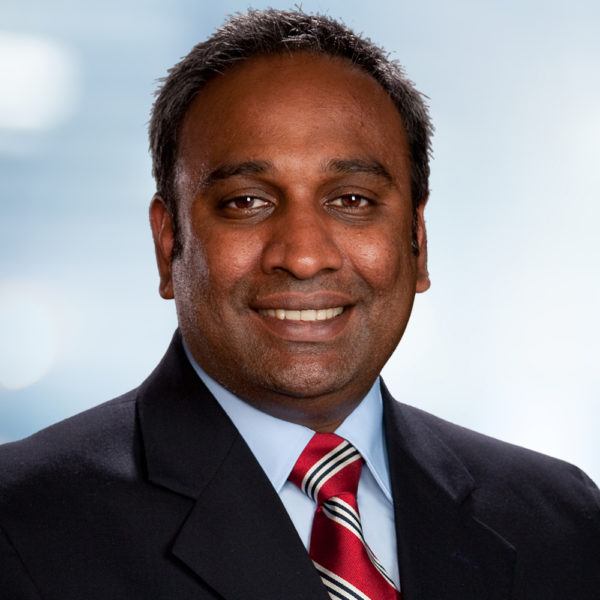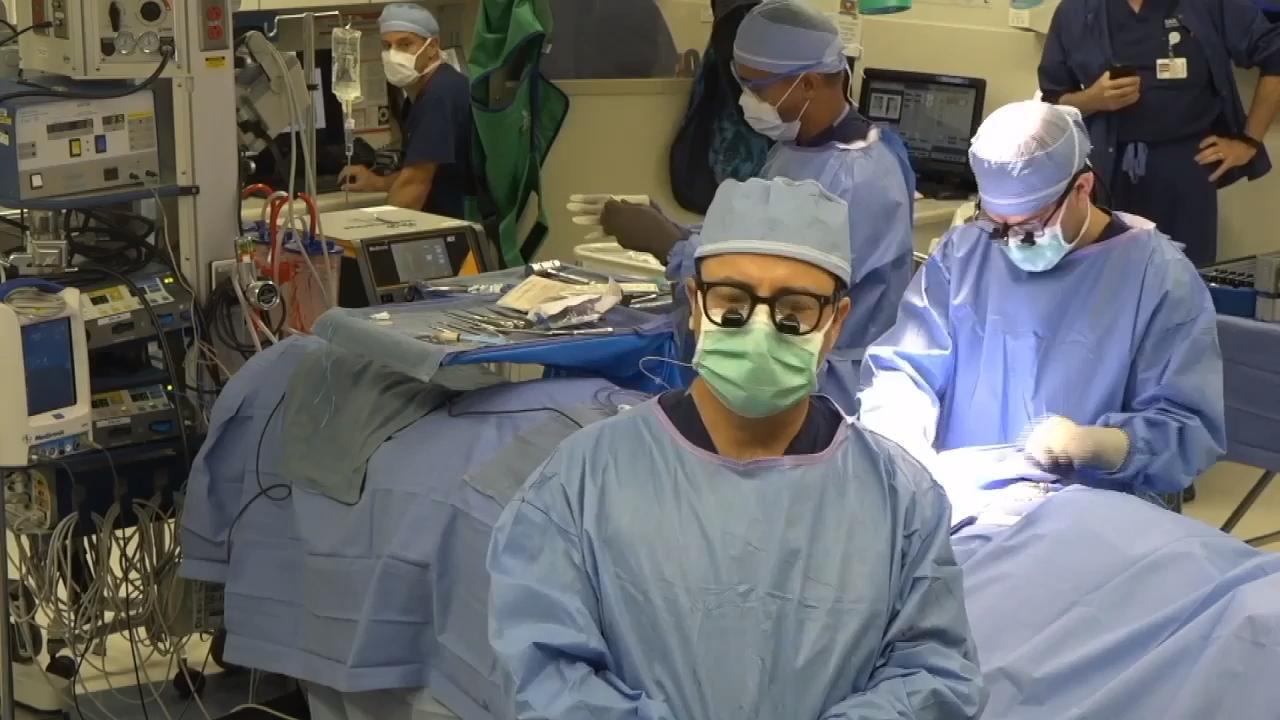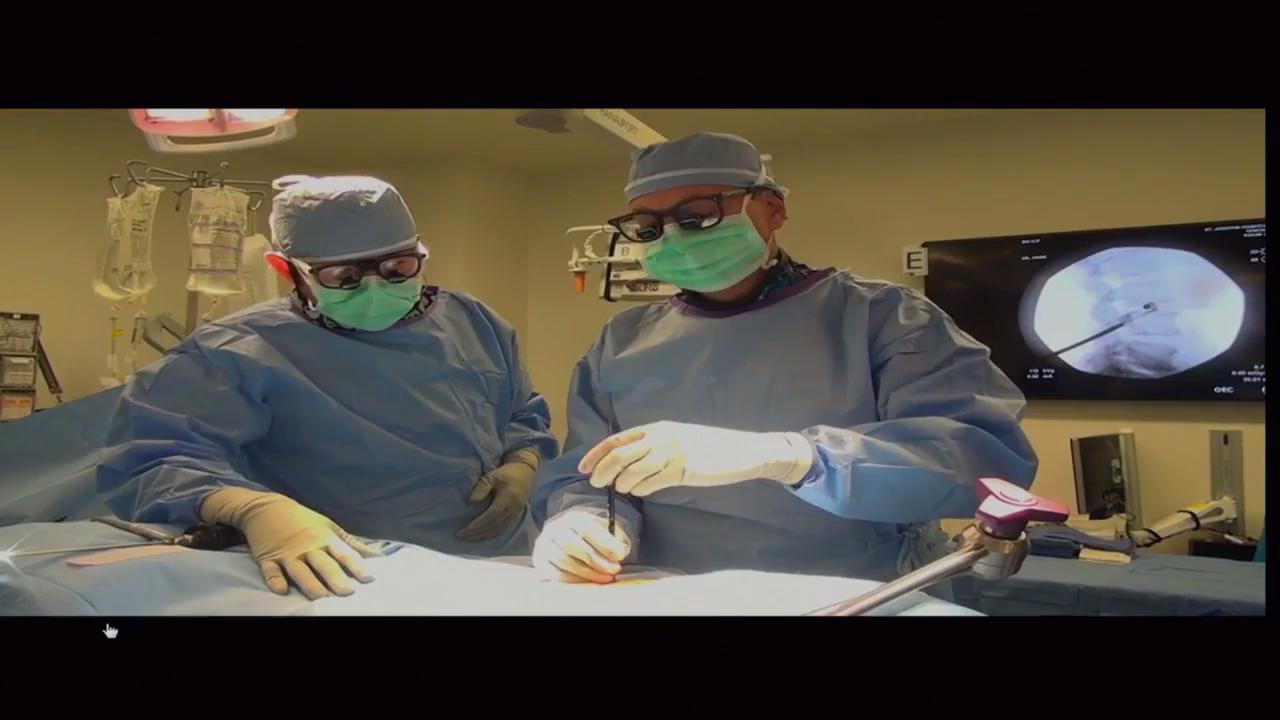
It matters where you get your care. And as one of the busiest spine surgery centers in Phoenix and all of the United States, our physicians take on the toughest and rarest conditions. In fact, we perform nearly 6,000 brain and spine surgeries every year; translating into a greater wealth of experience with better outcomes for our patients.
Arizona’s spine experts at Barrow treat all diseases, disorders, and issues with the spine and offer advanced treatments, including:
Golf is not usually thought of as a contact sport, but the seemingly harmless golf swing can eventually take a toll on your spine. At Barrow Neurological Institute, we’re committed to helping you return to your golf game sooner and safer after a spine injury.
How common are spine injuries among golfers?
Golf is a popular sport in the United States—with a participation of about 34.2 million people in 2020, according to the National Golf Foundation. Spine injuries are the most common injuries among golfers, representing about half of injuries in professional golfers and about one-third of injuries in amateurs.
Why are golfers susceptible to spine injuries?
Although a golf swing may seem benign, golfers actually generate significant force when driving a golf ball long distances—especially using modern techniques like the “X-factor” swing. Some estimates indicate that during the downswing, professional golfers experience a compressive force on the spine that is about eight times the average human body weight. That’s comparable to forces calculated for football linemen when striking a blocking sled. It’s also similar to the forces a pilot might experience when being ejected from a military aircraft.
Golfers repeatedly endure this impact, taking an average of more than 300 swings per day over many years or even decades of participation in the sport. This can cause premature wear-and-tear of the spine, also known as degeneration. Early-onset degeneration related to repeated movements like golf swings has been termed “repetitive traumatic discopathy.”
Why should I go to Barrow for my spine injury?
The Spine Program at Barrow is committed to helping you return to your game sooner and safer, whether golf is your livelihood or your hobby. We have treated many professional and amateur golfers, many without surgery.
We provide the full continuum of care, from diagnosis to conservative therapies to surgery. Our team includes neurosurgeons, physical medicine and rehabilitation physicians, and TPI-certified physical therapists. TPI, or the Titleist Performance Institute, is a leading organization in the study of how the human body functions in relation to the golf swing. Barrow is also home to a growing research laboratory dedicated to golf biomechanics. We use cutting-edge technology to further study the impact of the modern golf swing on the spine and develop science-backed guidelines for treatment and return to play.
Will I need surgery?
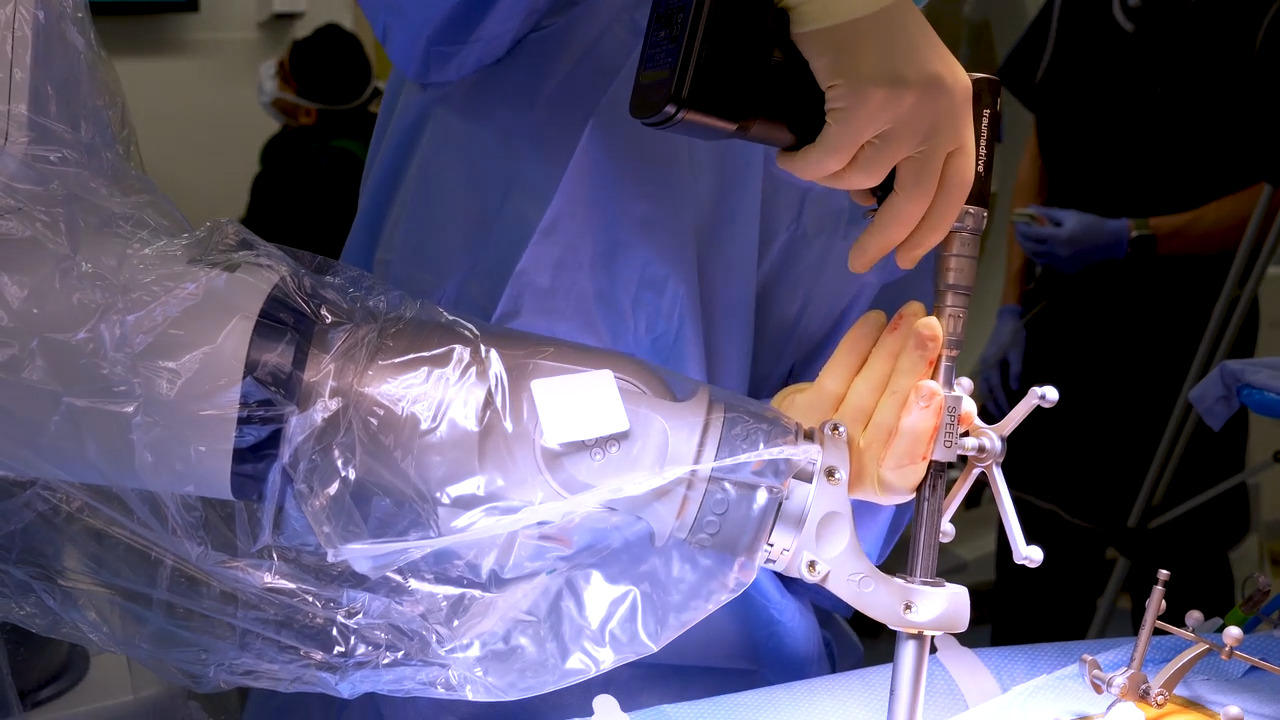
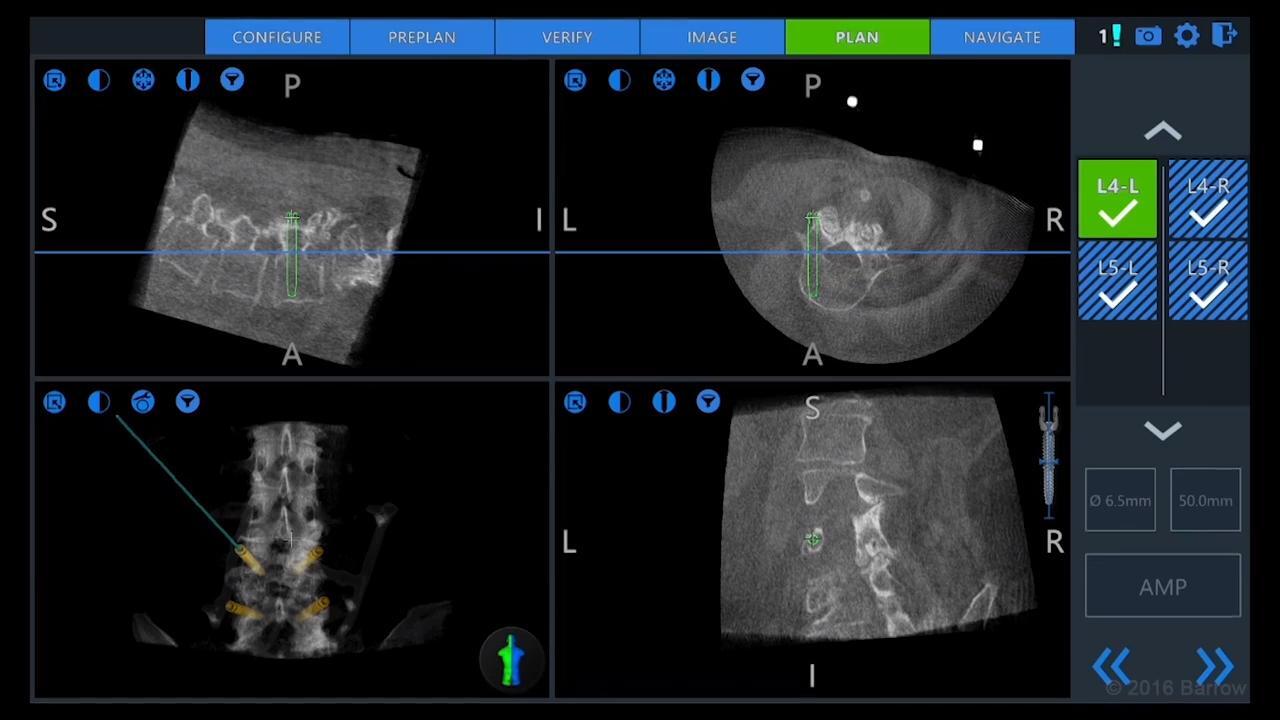
For every 10 golfers we see for spine injuries in our clinic, about two of them will need surgery. When surgery is necessary, we recommend the least invasive option possible and can often avoid implanting rods and screws. Through minimally invasive spine surgery techniques, we can reduce muscle trauma, scar tissue, blood loss, time in surgery, and recovery time.
Will I play golf again?
Thanks to conservative therapies and minimally invasive surgical techniques, we expect virtually every golfer treated in our clinic to return to the course and enjoy the game for the rest of their lives. Additionally, our physical therapists can help you correct your posture and swing to prevent re-injury.
I’ve already been diagnosed with a spine injury. Can I get a second opinion from Barrow?
Yes. Barrow Second Opinion is fast, easy, and affordable—with no strings attached. You can submit your medical imaging through our secure online portal and receive a second opinion from one of our spine experts within seven to 10 business days.
We are one of the only medical facilities in the country to offer second opinions entirely online, saving you the time and cost of mailing us your medical records. Learn more about spine second opinions at Barrow.
Neurosurgical Knowledge
The bones of your spine surround and protect one of the largest and most complex neurological structures in your body—your spinal cord. Spinal neurosurgeons undergo an intensive, seven-year training program that intimately acquaints them with the brain, spinal cord, and the bony structures surrounding them.
In addition, most of our spine surgeons have undergone additional fellowship training focused on the treatment of rare and complex spinal disorders or minimally invasive spine surgery.
Conservative and Minimally Invasive Treatment Options
We acknowledge that the prospect of back or spine surgery can be quite scary. Our surgeons realize this, and along with our expert care team, will work closely with you to determine if you or your loved one’s back or spine problems can be resolved without surgery.
Our spine surgeons have one of the largest bodies of collective experience with minimally invasive spine surgery in the Southwestern United States.
How much does it cost?
The cost for a second opinion from a top neurosurgeon at Barrow Neurological Institute is a flat $100, and it is non-refundable. Payment must be made by credit card at the time of submission. We do not offer other payment options at this time.
How does it work?
Once you click the link, you’ll be directed to our Dignity Health hello humankindness secure portal where you will create your account.
You will answer an electronic questionnaire to give our physicians an understanding of your medical history and the condition you would like an opinion for.
After filling out our questionnaire, we’ll direct you to a secure page where you can upload your MRI and/or CT images.
Payment will be requested.
Once payment is received, your case will be sent to a coordinator who will review all of your information. The coordinator may contact you for additional information.
After the coordinator confirms that all of the information the neurosurgeon will need to review your case has been met, your case will be routed to the neurosurgeon most appropriate for your condition.
Within 7 to-10 business days, you’ll receive a notification through email that your second opinion is available in the portal. (Please note that 7-10 business days cannot be guaranteed for submissions during peak U.S. holiday months of November and December.)
What to Expect from The Barrow Second Opinion Program
You may download, keep, and share your second opinion with whomever you like.
Why should I get a second opinion from Barrow Neurological Institute?
Barrow Neurological Institute is one of the leading neurosurgical teaching hospitals in the world and has been designated as a top neurosurgery hospital by Newsweek. Patients and healthcare providers come from across the globe to receive care and learn from us. We acknowledge that many areas do not have the expertise we do and understand cost can be a large barrier to care. Our Second Opinion Program can help connect you digitally to a top neurosurgeon even if they aren’t any practicing in your immediate area.
Can I submit anything I want?
No. There are a few rules:
You must have been diagnosed with one of the conditions outlined in the second frequently asked question.
Your imaging must be related to your condition, meet requested requirements, and have been taken in the past six months.
You must have already been diagnosed by a physician for the condition that has been submitted. We are unable to provide an initial diagnosis of your condition.
All records and information must be submitted in English, as Barrow Neurological Institute cannot translate these materials.
Do I need to travel to Barrow Neurological Institute for treatment?
There is no obligation for you to come to Barrow Neurological Institute for treatment, and your second opinion is yours to keep and share.
What if I decide to come to Barrow Neurological Institute for treatment?
If your second opinion recommends neurosurgery and you decide to come to Barrow Neurological Institute for treatment, you will be treated by the neurosurgeon who reviewed your case. If you decide to come to Barrow, simply let our Second Opinion Program coordinators know. Our coordinators will assist you with appointment scheduling, travel resources, insurance verification, and financial concerns.
How old do I have to be?
You must be 18 years of age or older to submit your request for a neurosurgical second opinion.
May I submit a case for my child?
You may submit a case for a child as long as the child is 14 years of age or older. We may make some exceptions based on special situations; please email your inquiries to BarrowSecondOpinion@DignityHealth.org.
How long does this process take?
Once you have submitted the required documentation and imaging, your second opinion will be available in 7 to 10 business days. Please note that this timeframe cannot be guaranteed for submissions during peak U.S. holiday months of November and December.
Will you be contacting my doctor?
No. We will not contact your physician. We do recommend, however, that you share the recommendation with your doctor so that they are still involved in your care.
Is the Second Opinion program covered by my insurance?
Although you may need to contact your insurance carrier for more information, we do not bill insurance companies for participating in our Second Opinion Program. You will be responsible for submitting any requests to your insurance company for reimbursement.
Please note that motor vehicle accident and workman’s compensation cases may not be able to be processed through our Second Opinion Program.
Does this make me a patient at Barrow Neurological Institute?
No. Receiving a neurosurgical second opinion does not make you a patient of Barrow Neurological Institute. In order to become a patient, you must make an appointment and be seen in our offices. If you’ve received a neurosurgical second opinion and would like to be seen at Barrow Neurological Institute, please call us at (602) 406-3396.
Get Your Second Opinion in 4 Steps
Getting a second opinion from one of the best neurosurgeons in the United States is fast, easy, and secure. It’s also affordable: we offer our neurosurgical second opinions for a flat, non-refundable fee of $100paid upfront.
Here’s how it works:
Step 1: Tell us about yourself To get started, you’ll need to create an account with your contact information to use our secure Second Opinion Portal. Once your account is set up, we’ll ask you to tell us about your diagnosis, symptoms, and medical history in a brief questionnaire. Please remember, our doctors can only base your second opinion on the information and diagnostic imaging you provide. We’ll protect your personal health information like we would with any Barrow patient. Please note: Your Second Opinion Portal is operated through a Dignity Health hello humankindness account.
Step 2: Upload your medical images After filling out our questionnaire, we’ll direct you to a secure page where you can upload your MRI and/or CT images. Rest assured, we’ll only share these images with our neurosurgeons and clinical staff.
Step 3: Submit payment We require a payment of $100 to process a request. We accept Visa or Mastercard.
Step 4: Get your second opinion in 7-10 business days (or less) After we receive your request, we’ll assign your case to a neurosurgeon who specializes in your diagnosis.
What to Expect from The Barrow Second Opinion Program
You can expect to receive your second opinion within 7 to 10 business days from the time we receive all required documentation and diagnostic imaging. We’ll contact you if any information is missing. (Please note that 7 to 10 business days cannot be guaranteed for submissions during November and December; peak U.S. holiday months.) Once our neurosurgeon makes a recommendation, we’ll notify you by email that your second opinion is ready. You can log into your account and view the report in a PDF format.
You’re not obligated to pursue our recommended course of treatment at Barrow or any other institution. However, if our neurosurgeon recommends surgery, we’ll provide their contact information so you can schedule a consultation if you choose.
Finally, our Second Opinion Program is not meant to replace an in-depth, face-to-face consultation with a physician.