‘To Help is to Learn’: Neurosurgery Resident Reflects on Elective Rotation Abroad
Written by Cyrus Elahi, MD, Chief Neurosurgery Resident, Barrow Neurological Institute. Editor’s Note: Dr. Elahi was a sixth-year neurosurgery resident at the time of this writing.
Sure hands trace over a boy’s scalp with a razor blade. Not a razor with a blade at the end, rather the blade itself gripped tight between the resident surgeon’s fingers. A friend, I was told, hit the young boy on his head with a stone. The impact left a 2-inch laceration down to the bone with a crater from the impact left underneath—a depressed frontal bone skull fracture. To assess the fracture and repair the skin, this young boy was hurried (relatively) to the operating room.
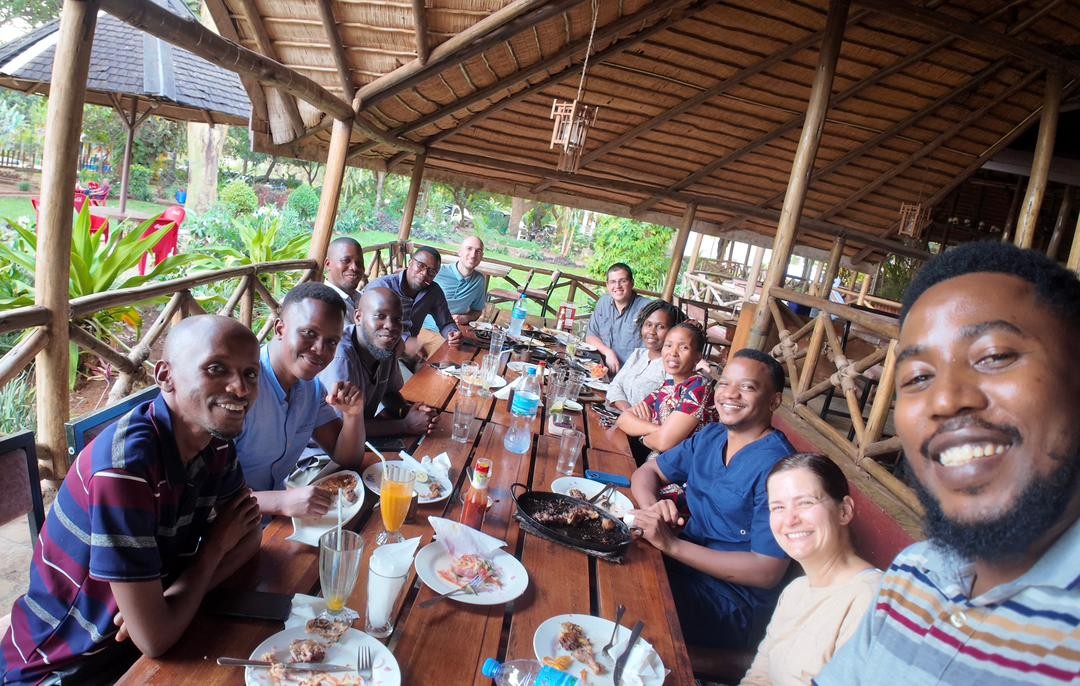
This spring, I am in Tanzania, where we pray before surgeries, where residents retrieve their own instruments because there aren’t enough scrub nurses, where greetings of “good morning” and “how are you” are mandatory, and where trauma from motorcycle crashes, falls from trees, and I guess stones, are part of life. I am a sixth-year neurosurgery resident, ostensibly here to help, though that primary purpose has shifted to learning during my time spent here. But in this moment, all I could do was marvel at the precision with which that kid’s head was shaved, not even a nick.
“Help” is a tricky word, often well-intentioned yet dangerous when misguided. I have been to Africa a few times before, the first time as an ignorant medical student. On that trip, to a rural hospital in Ghana, I actually told a mid-career general surgeon, “I am here to help,” and was confused when he got upset. I suspect I am still ignorant, but I am more aware of it. I learned that I, as someone in training and from the other side of the world where resources are many, have more to learn than to help in most situations here.

In neurosurgery, how can I help when the instruments I learned to operate with are not available? What’s the point of bringing marking pens to draw the incision when the pens will run out of ink soon after I leave? (Instead, we literally scratch the skin with a needle until it bleeds to mark the incision.) Why donate equipment when there aren’t staff to service it? And why bring electric shavers when the batteries will run out and when residents, like the one I worked with that day, are so facile with a blade? That said, I am not a nihilist, and I believe there is immense value in international collaboration.
Like ships on the sea we rise and fall together, and partnered hospital systems are no different. And I can help, sometimes. As a sixth-year resident, I share universal truths to neurosurgery when relevant. But my primary purpose here this trip is to learn. I want to learn about neurosurgery, yes, but also about life, about myself, about people, the good and the bad.
Our lives are enriched when we experience the range of life’s emotions. In my first week here, we have been exhausted from operating into the night, we’ve laughed from misspellings and miscommunications (per my badge, I am Dr. Elant), we’ve been saddened by foreigners yelling at restaurant staff, we’ve felt frustrated by kids getting hit by motorcycles when walking home from school, and we’ve been welcomed as family by all. I give up comfort and time with loved ones on these trips. But I hope to gain the things that money doesn’t buy, which can then be shared with those friends and loved ones I miss.
There are many ways to do global health wrong, but that should not prevent us from doing it right. Miscommunications, misaligned objectives, power differences, and historical inertia from colonial practices all contribute to failed global health collaborations. These differences have manifested as unbalanced authorship on publications between high- and low-income country partners, exploitation of local hospitals’ patient data, medical tourism, and—most tragically—poor patient outcomes. Even the most well-intentioned partnership can stir more chaos than provide value.
In my limited international experience, I have seen local teams negotiate with their hospital to secure more OR time for a surgical camp, only to have those cases cancelled by the visiting team for nonclinical reasons. I have seen visiting doctors charge more for surgeries than the local team, despite performing them with no greater skill. I have seen visiting doctors make jokes at the poor condition of the equipment, in front of the local teams that live their reality with grace because there is no other choice.
But still the demand is so great for international collaboration. Local doctors often want and need specialized training akin to a fellowship, but they do not have the funds, institutional support, or bandwidth to take time to leave their home institution. For example, if a surgeon from another country came to Phoenix for specialized training, they would not be allowed to scrub into cases because their medical license would not transfer. This specialized training gap is well suited for surgical camps, allowing specialized doctors to visit an international site and provide a sort of “home fellowship” opportunity to local doctors.
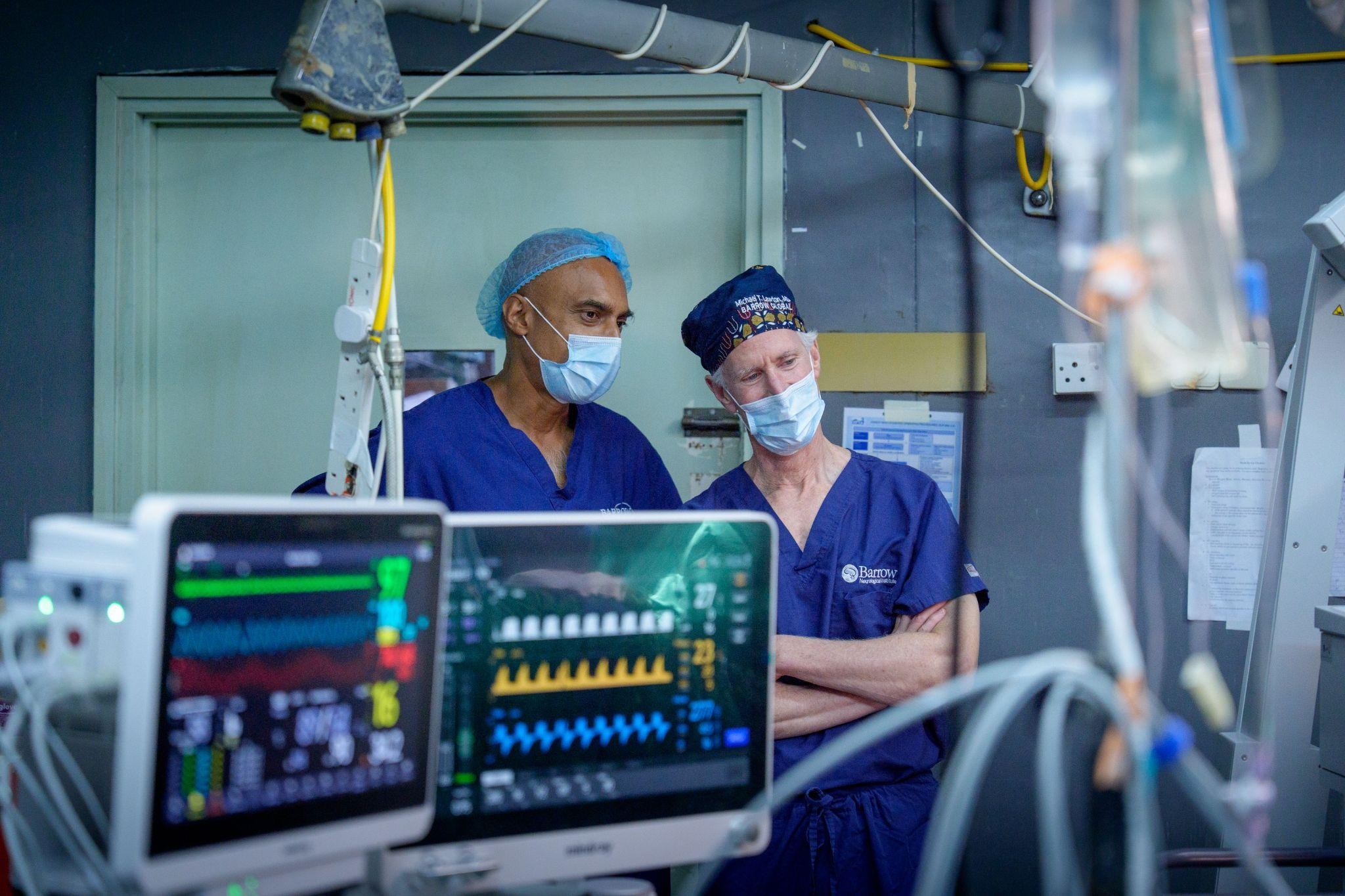
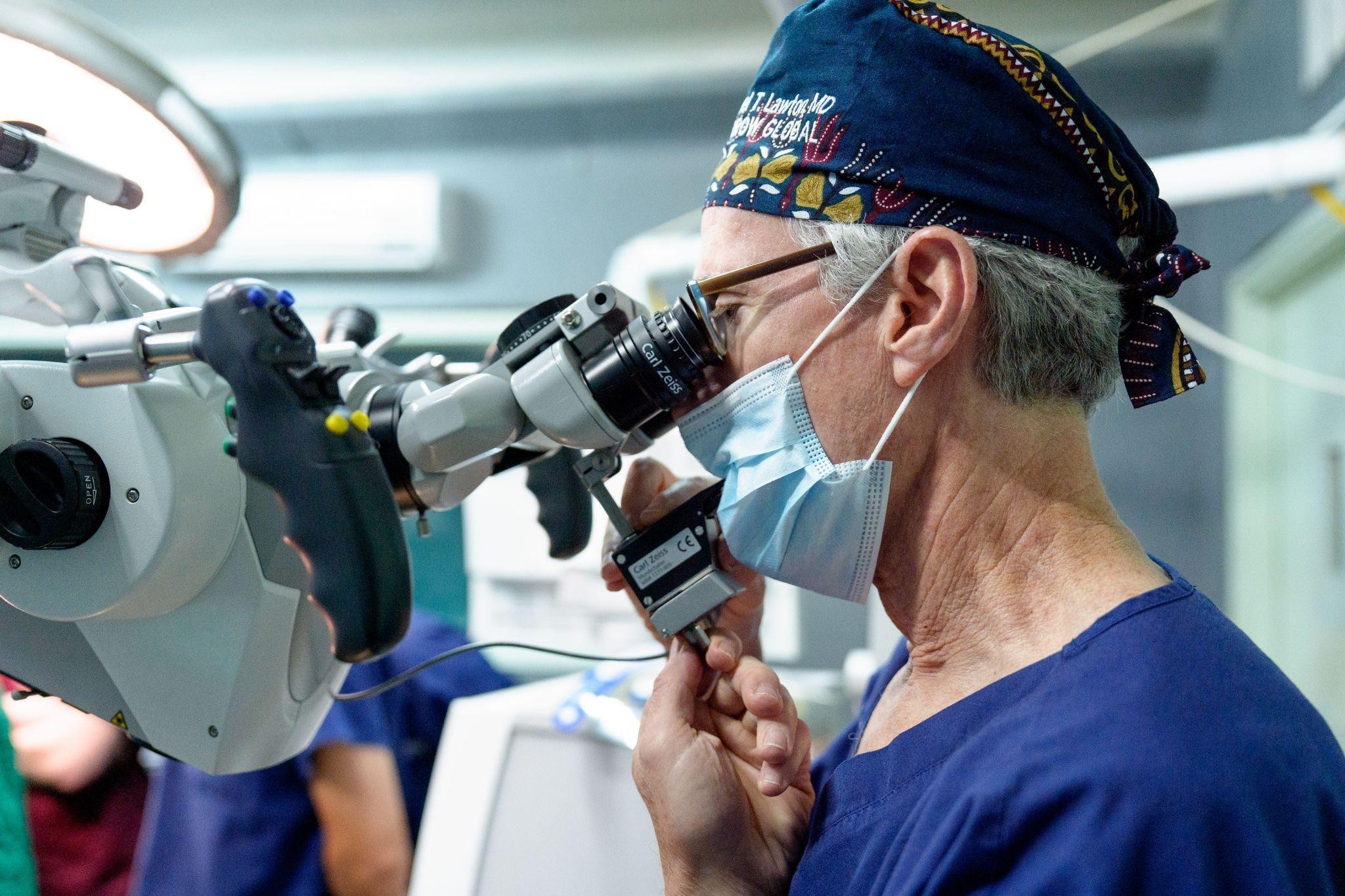
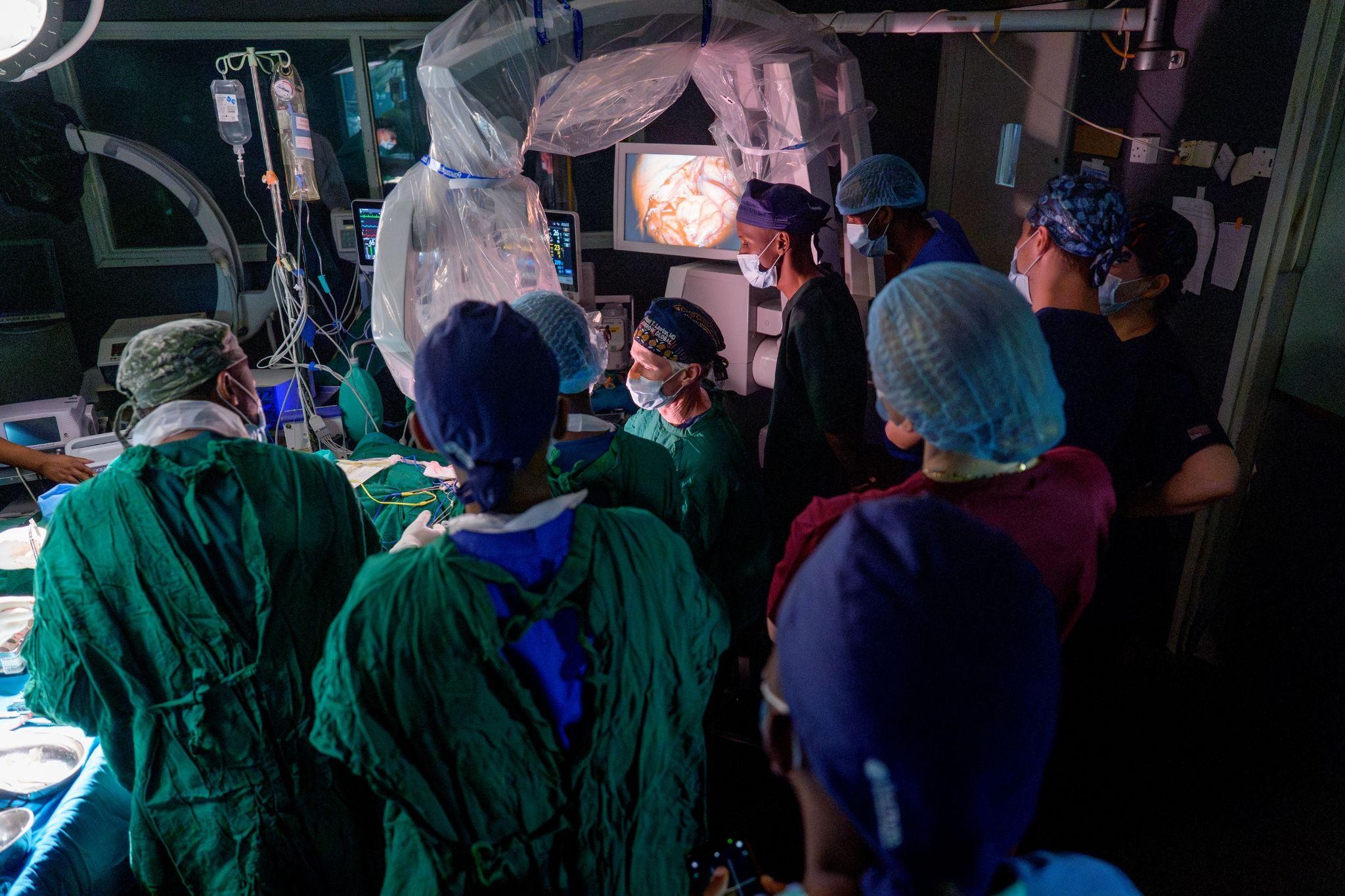
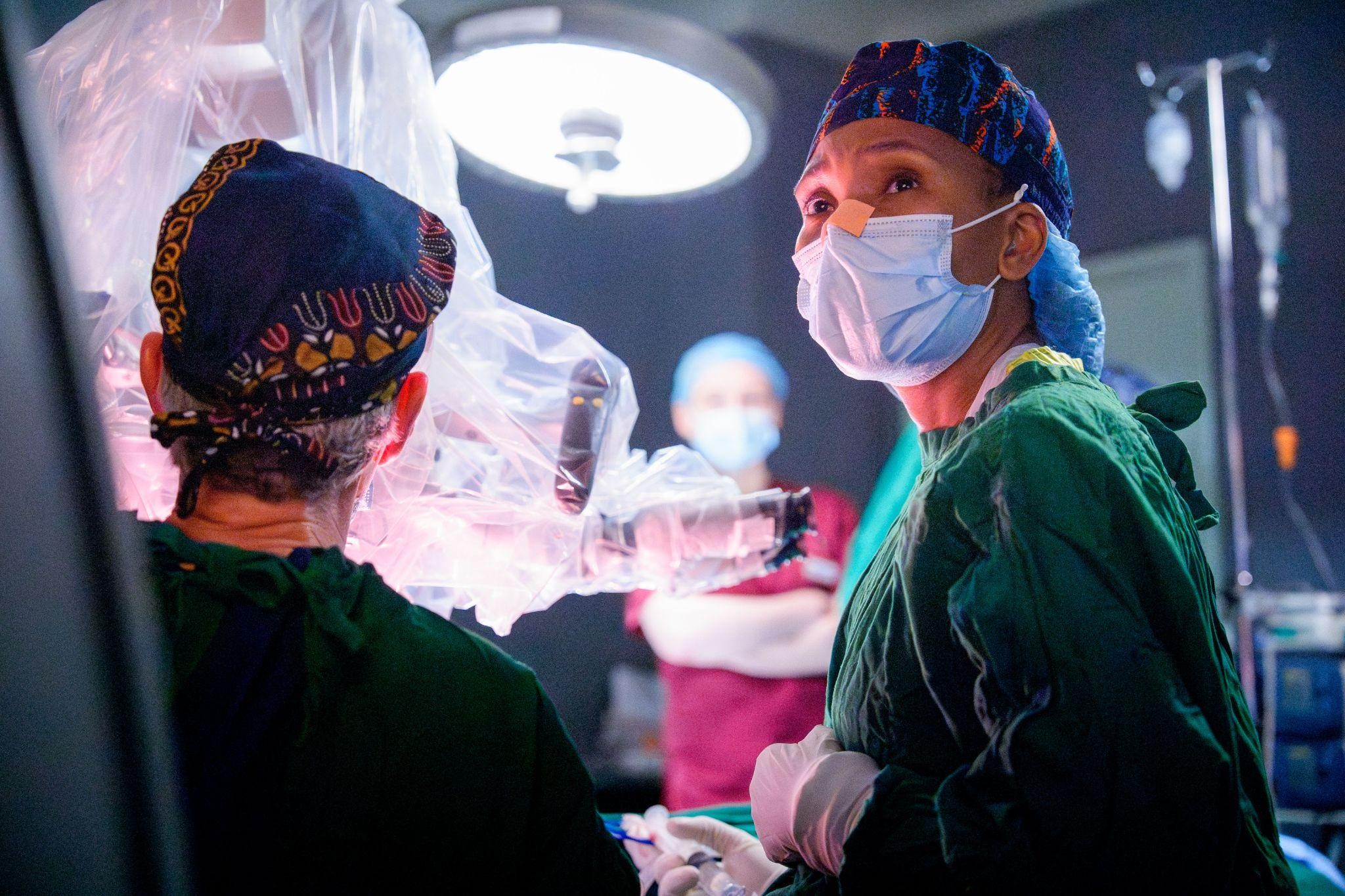
Last summer, Michael T. Lawton, MD, and the Barrow neurosurgery team traveled to Moshi, Tanzania, for a one-week surgical camp at Kilimanjaro Christian Medical Centre (KCMC). Cases were discussed beforehand, all cases discussed were completed (even if that meant operating until 2 a.m.), and part of the visiting team stayed onsite for a few weeks after the camp to engage with postoperative management. This provided us with opportunities to improve the camp and processes around it. Those improvements included more time for education and discussion of cases preoperatively and the inclusion of other specialties like pathology.
In Swahili there is a saying: Elimu haina mwisho, or “Education has no limits.” We are never too old or too confident to learn, and the best leaders lead by example by remaining humble and curious. For surgical camps to work, the learning must be bidirectional and should be part and parcel with a larger, long-term partnership. That partnership, over time, provides familiarity and trust, and trust allows honest communication.

The hands holding that tiny razor blade belong to a local Tanzanian neurosurgery resident. This resident was at the hospital before we arrived, and he stayed after we left (even when cases finished after midnight). I have seen him not eat food, and he has the lean frame as proof. He lives a 20-minute walk from the hospital, and he is away from his wife and children as he pursues his professional dream. He treats every task as if it’s the most important task ever conceived. Those hands, carefully using that blade, are the same hands that will save thousands of lives over the course of his career. As Buddhists and Stoics say, “How you do anything is how you do everything.” I have never felt that saying more true than when I saw it that day, with the simple act of prepping a patient’s head for surgery.
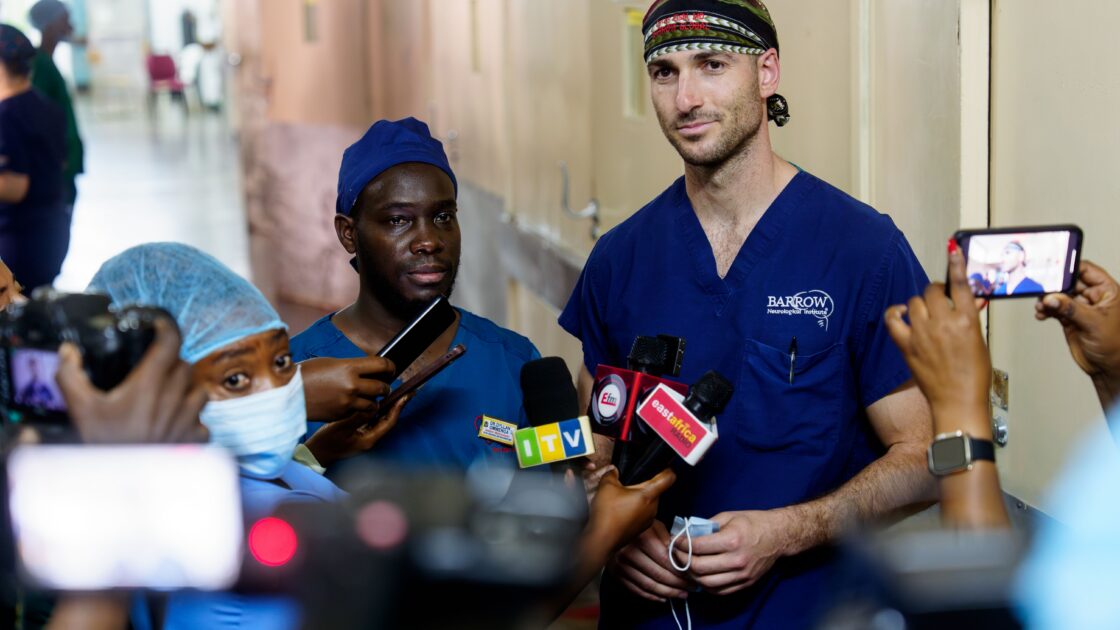
Top photo: Drs. Elahi and Omwenga participate together in local news interviews during the Barrow-KCMC joint surgical camp in 2025.