

Patient Back in the Swing of Things Following Minimally Invasive Endoscopic Spine Surgery
After a three-day golf trip with friends in Chicago, Nicholas Aretakis returned home to an unfamiliar feeling. Instead of getting the typical post-vacation blues, he experienced back fatigue and pain in his lower right side.
Months of Pain and Limited Options
Eventually diagnosed with a herniated lumbar disc, Nicholas pursued conservative treatments for months with little progress.
“I did physical therapy for a few months, saw modest improvement and then a quick regression when I resumed some of my activities, specifically golf,” Nicholas said.
Nicholas’ herniated disc was causing a symptom called radiculopathy, or pain in the back at the level of the injured disc that can spread to the chest and legs. Most cases can be treated with rest, anti-inflammatory medication, and physical therapy, but spine surgery can be indicated for people who don’t respond to conservative treatment.
After eight months of conservative treatment, Nicholas began discussing surgical options with his care team. His spine surgeon scheduled him for fusion surgery, which involves joining two or more bones in the spine together to eliminate movement between them.
Approaching the procedure, Nicholas sought a less-invasive option at Barrow Neurological Institute.
A New Path at Barrow
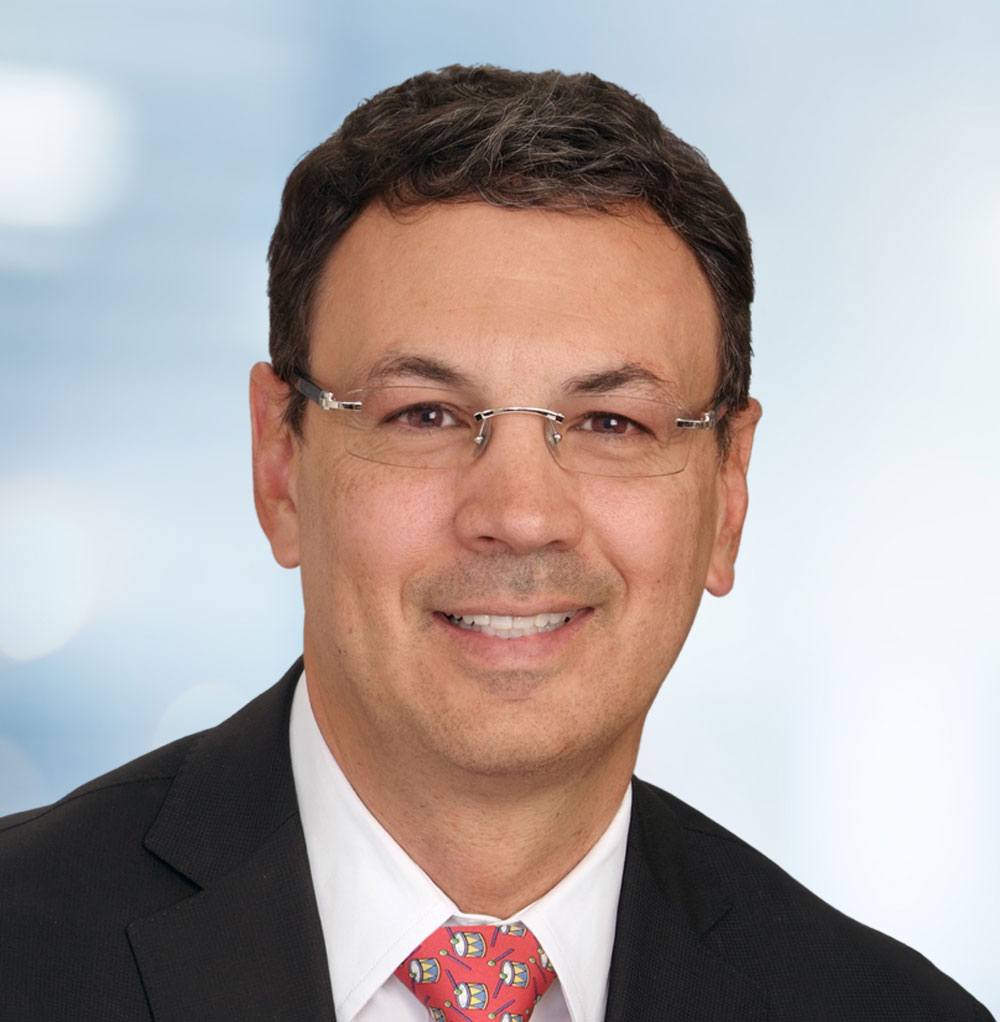
With the expertise of Juan Uribe, MD, Chief of Spinal Disorders at Barrow, Nicholas learned that he was the perfect candidate for endoscopic spine surgery. This procedure is minimally invasive, involving a small (usually less than 1 inch) incision and a specialized instrument that allows neurosurgeons to see and repair problems without disrupting the surrounding tissues.
“The location of his hernia was in an area that is very protected by anatomical structures,” Dr. Uribe explained. “Getting access where this hernia was located, you have to remove a lot of structures to get there. Nick has this hernia just behind the vertebra, in front of the nerves, and he had this little window that you can get in there.”
Upon learning about this new path to recovery, Nicholas scheduled endoscopic spine surgery with Dr. Uribe that Thursday and canceled his invasive surgery scheduled for the day before.
A Remarkable Recovery
When the day of his operation arrived, Nicholas said he was in extreme pain and showed up using a walker. Then a few hours later, he returned home pain free.
“I literally went from being in excruciating pain to having zero pain post-surgery,” Nicholas said. “It’s just amazing. I feel like I’ve had no back surgery. The only great misfortune that I have is that I have to do chores around the house now.”
Nicholas Aretakis, Barrow Patient
“Surgery takes around an hour,” Dr. Uribe said. “Patients enjoy the fact that you just wake up with no pain, feeling much better. As long as you can walk, you can function, you go home. Surgery, 7:30 a.m. By 11 a.m., you’re home.”
Nicholas said he was able to walk a minimum of three to five miles a day 10 weeks post-operation. His story demonstrates the life-changing and sometimes immediate relief endoscopic spine surgery can have, especially for patients who were facing the possibility of more invasive surgeries.

Dr. Uribe and the Institute’s team of spine surgeons have one of the largest bodies of collective experience with minimally invasive spine surgery in the Southwestern U.S. These advanced surgery techniques can offer a quicker, safer, and less painful path to recovery for patients. Nicholas is an example of just how fast quality of life can increase post-op after months of pain and uncertainty.
“I literally went from being in excruciating pain to having zero pain post-surgery,” Nicholas said. “It’s just amazing. I feel like I’ve had no back surgery. The only great misfortune that I have is that I have to do chores around the house now.”