Arizona Grants $5M to Barrow for Clinical Trial of Ibogaine in TBI
Barrow Neurological Institute has received a $5 million grant from the Arizona Department of Health Services to study ibogaine treatment in people with neurological disorders such as traumatic brain injury (TBI).

The Phase 1/2 clinical trial will be led by a multidisciplinary team of experts in neurology, neurosurgery, and neuropsychiatry at Barrow, in collaboration with the Barrow Neuro Analytics Center and researchers from Arizona State University. The Barrow Neuro Analytics Center is the Institute’s groundbreaking new research facility located at Park Central in the Phoenix Medical Quarter.
Ibogaine and the Brain
Ibogaine, which derives from a shrub native to Africa, is among a handful of psychedelic drugs—also known as psychoplastogens and neuroplastogens—gaining global attention for their potential medical uses. Because ibogaine is not approved by the United States Food and Drug Administration (FDA) for any clinical use, many Americans—particularly military veterans—have been traveling to unregulated clinics abroad to try ibogaine therapy for traumatic brain injury and mental health conditions.

Ibogaine’s status as a Schedule I drug, the most restricted category under the Controlled Substances Act, has also made it challenging to study in the U.S. However, with early research yielding promising results for ibogaine in neurological and behavioral conditions, the federal government is working to reduce barriers to ibogaine research.
Ibogaine impacts several networks in the brain, including the serotonergic, dopaminergic, and cholinergic systems. The drug’s broad effects on brain chemistry are thought to underlie its reported anti-addictive, antidepressant, and potential neuroprotective properties. In a recent open-label study of U.S. military veterans with post-traumatic stress disorder (PTSD) and TBI, a single dose of ibogaine was associated with sustained improvements in PTSD symptoms, cognitive function, and quality of life. Together, these findings suggest ibogaine may represent a rapid-acting therapeutic with the potential to promote recovery from psychological trauma and brain injury.
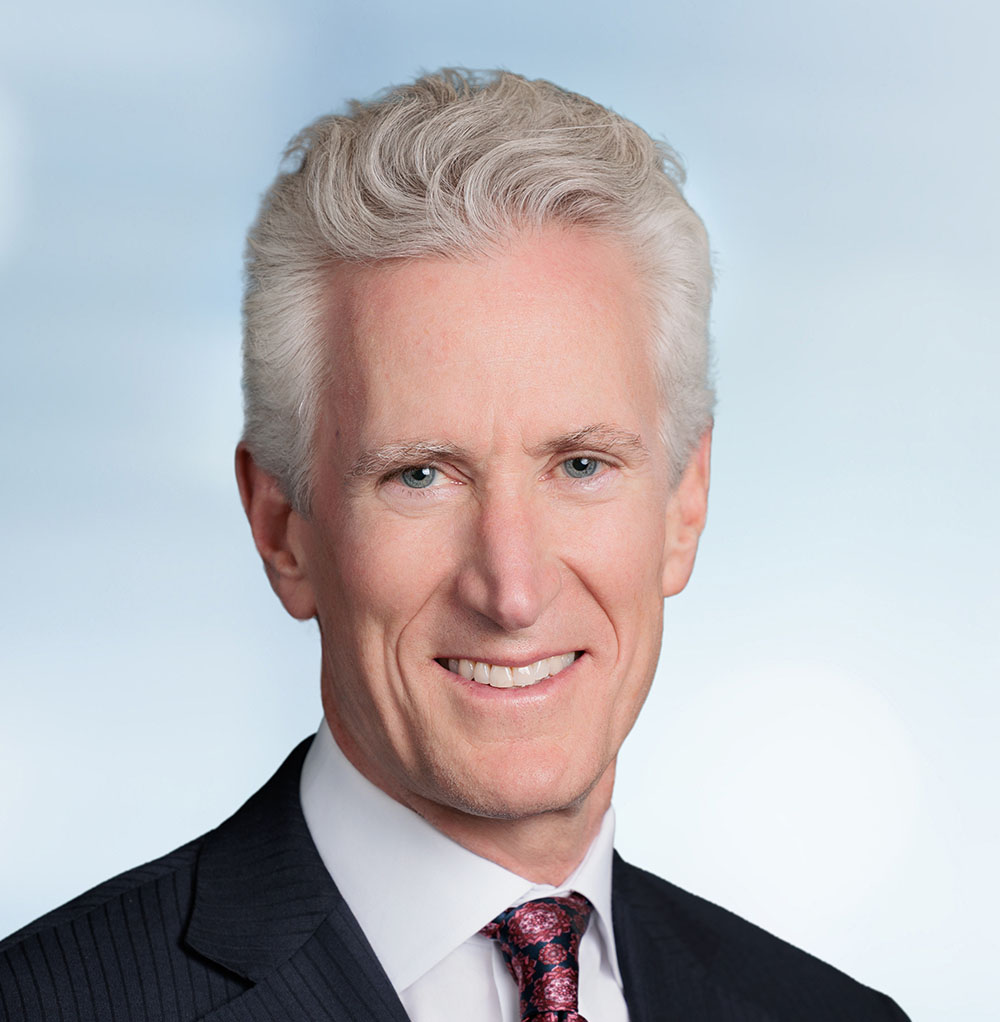
“Roughly one-half of individuals with traumatic brain injuries experience incomplete recovery or lingering symptoms after six months,” said Susan Criswell, MD, MSCI, the Chief Medical Officer for Clinical Research at Barrow and a co-investigator on the study. “Therefore, we are excited to begin investigating ibogaine as a potential new therapy for individuals in our community and across Arizona who are suffering from the long-term effects of neurologic injury.”
Anna Burke, MD, who specializes in neuropsychiatry and serves as the Karsten Solheim Chair for Dementia Research at Barrow, is the principal investigator on the study. Barrow physician-scientists Michael T. Lawton, MD; Susan Herman, MD; and Chia-Ling Phuah, MD, MMSc, are co-investigators along with Dr. Criswell.

Collaborators from Arizona State University include Holly Lisanby, MD, DLFAPA, founding dean of the John Shufeldt School of Medicine and Mechanical Engineering, and Candace Lewis, PhD, and Sarah Mennenga, PhD from the School of Life Sciences.
Designing a Gold Standard Clinical Trial
Barrow ultimately aims to enroll 40 participants with chronic TBI symptoms into the trial, randomly selecting half to receive ibogaine and the other half to receive a placebo. Unlike the open-label study, neither the researchers nor the participants will know who received the actual drug. This double-blind, placebo-controlled study design is considered the gold standard of medical research.

Researchers will use standardized assessments to determine how effectively ibogaine addresses the participants’ TBI symptoms as well as their quality of life. Additionally, participants will undergo tests to measure any physical changes associated with reported symptom improvements. These tests will include brain imaging, recordings of electrical activity within the brain, and lab tests.
Researchers hope to enroll the first participant in 2027.
Unlocking the Mysteries of the Mind
Dr. Lawton, who also serves as President and CEO of Barrow, said that in addition to exploring novel treatments for patients with TBI, this clinical trial represents the next chapter of neuroscience research: understanding how the brain functions as the mind.
“Roughly one-half of individuals with traumatic brain injuries experience incomplete recovery or lingering symptoms after six months. Therefore, we are excited to begin investigating ibogaine as a potential new therapy for individuals in our community and across Arizona who are suffering from the long-term effects of neurologic injury.”
-Susan Criswell, MD, MSCI, Chief Medical Officer for Clinical Research at Barrow
“Our vision for Barrow is to move beyond traditional neurology and neurosurgery to explore the mysteries of the mind, harnessing our clinical access to patients and the brain during interventions to better understand the brain’s circuitry and functionality,” Dr. Lawton said. “Psychedelic medicine is yet another area that enables us to understand the mind, how it perceives the world, and how pharmacology can influence it.”
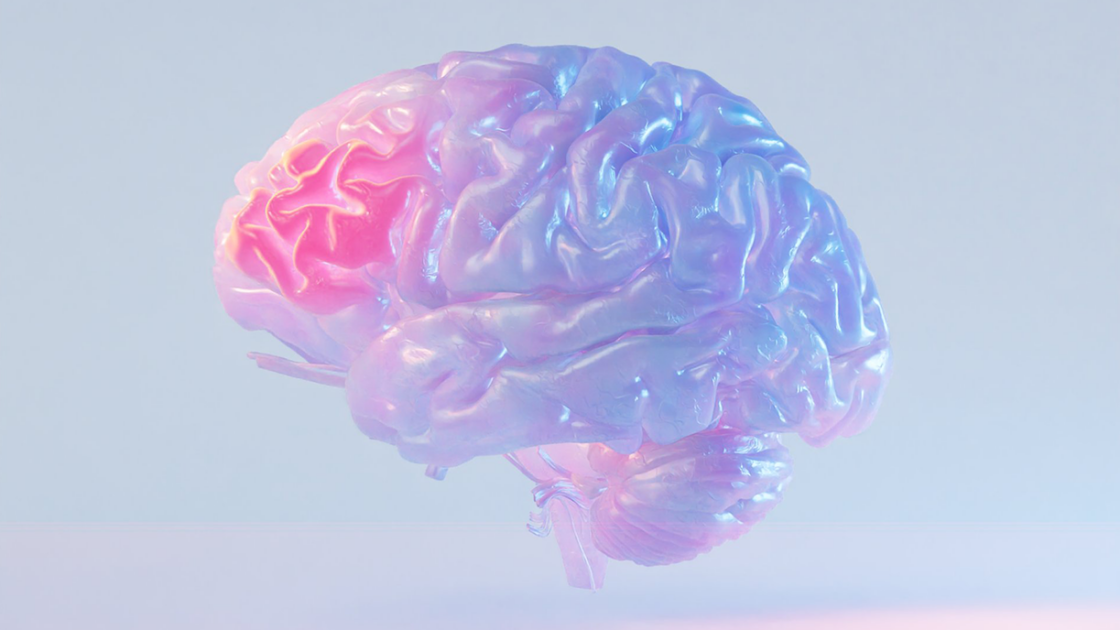
Illustration by Ann Mai, Barrow Neuroscience Publications
In the News
- ASU News: Barrow, ASU Embark on One of First Clinical Trials of Ibogaine in the US
- KJZZ: Arizona Awards $5 Million Grant to Barrow Neurological Institute to Study Ibogaine for Brain Injuries
- KTAR: Barrow Neurological Institute Gets $5M Arizona Health Grant for Brain Injury Drug Trial
- Bioengineer.org: Barrow Neurological Institute Receives $5 Million for Ibogaine Traumatic Brain Injury Trial
- American Association for the Advancement of Science: Barrow Neurological Institute Awarded $5-million for Clinical Trial of Ibogaine in TBI
- Health Tech World: University awarded US $5 million for Clinical Trial of Ibogaine in TBI
- Medical Daily: Arizona Is Paying $5 Million for an Ibogaine Trial in Brain Injury