

Perforated Eardrum
At a Glance
- A perforated eardrum is a hole or tear in the thin membrane that separates the inner ear from the middle ear.
- The most common cause is an infection, when fluids build up behind the eardrum in the middle ear, and the pressure triggers a rupture.
- Symptoms can include sharp, sudden ear pain, followed by a rapid hearing loss in the affected ear, as well as some drainage.
- Most perforated eardrums will heal on their own within weeks to a few months. However, minimally invasive surgical approaches can sometimes be necessary if the tissue does not heal on its own.
Overview
A perforated eardrum—also referred to as a ruptured eardrum, or a tympanic membrane perforation—is a hole or tear in the eardrum that separates your outer ear from your middle ear. The eardrum is a thin but resilient membrane with two primary purposes:
- Capturing sound, converting it into vibrations, and initiating the hearing process in the cochlea
- Protecting the delicate hearing bones and organs from exposure to water, infection, or other hazards
Eardrum perforations can range from small to large and can significantly impact hearing. If you have a damaged eardrum, sounds can seem quieter, muffled, or distorted. These perforations can also increase the risk of infection.
Fortunately, these tears are frequently temporary and can heal on their own. In select cases, the perforation can be persistent and require medical treatment.
Left untreated, a perforation may lead to recurrent middle-ear infection, persistent hearing loss, and, rarely, cholesteatoma.
Did You Know?
The eardrum is thinner than a human hair: approximately one-tenth of a millimeter thick.
What causes a perforated eardrum?
The most common cause of a perforated eardrum is a middle ear infection. As fluids build up behind the eardrum, the pressure can cause the membrane to rupture or tear.
Other causes can include:
- Trauma or injury: A direct blow to the ear, insertion of small objects like a cotton swab, or sudden loud noises can tear the eardrum.
- Sudden pressure changes: Rapid changes in air pressure, such as those experienced during flying, diving, or explosions, can puncture the eardrum.
- Chronic ear infections: Repeated ear infections can weaken the eardrum over time, making it more prone to tearing.
- Medical procedures: Rarely, ear surgeries or improper ear cleaning can result in a perforation of the eardrum.

Perforated Eardrum Symptoms
While the exact symptoms of a perforated eardrum will depend on the size and location of the tear, a commonly reported first symptom is sudden, sharp pain in your ear. In many cases, the pain improves or even suddenly stops after the eardrum perforates, as the built-up pressure behind the eardrum has been released.
Other symptoms of a perforated eardrum can include:
- Sudden hearing loss: When an eardrum is perforated, sounds will often become muffled, quieter, or less clear in the affected ear. Voices may be harder to hear, especially in noisy environments, but speech is still generally understandable.
- Ear drainage: Fluid, pus, or sometimes blood may drain from the ear, accompanied by an unpleasant odor.
- Tinnitus: This sounds like ringing, buzzing, humming, or whooshing noises in the affected ear, which can appear suddenly or worsen over time.
- A feeling of fullness or pressure: Similar to having a plugged ear, this sensation is often described as the ear feeling full or blocked, despite no physical obstruction present.
- Jaw pain: In the case of a perforated eardrum, jaw pain is typically referred pain—meaning, the tear can cause signals that the brain perceives as coming from the jaw. However, jaw pain is generally mild and resolves as the eardrum and surrounding tissues heal.
- Dizziness or imbalance: If the inner ear is irritated or if the perforation is associated with infection or trauma, dizziness and a false sensation of spinning, tilting, or swaying, known as vertigo, can develop.
For those wearing hearing aids, a perforation can make the aid difficult to use and even cause discomfort or pain while wearing it.
Perforated Eardrum Diagnosis
In most cases, a primary care doctor can diagnose a perforated eardrum by performing a basic ear exam. This is because the hole or tear in the eardrum can usually be seen using an otoscope. A provider specializing in hearing, such as an otolaryngologist—commonly referred to as an ENT (ear, nose, and throat) specialist—or an audiologist, may also be involved in the diagnosis.
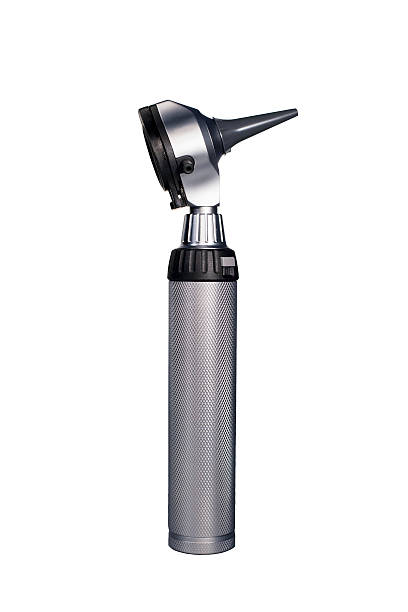
- Physical examination: Your healthcare provider will ask about your ear pain, drainage, hearing changes, recent infections, trauma, pressure changes, or exposure to loud noises that may have triggered the rupture. Next, your affected ear and eardrum will be examined using an otoscope—a visible hole, tear, or abnormal eardrum appearance is usually enough to make the diagnosis, making this the primary diagnostic tool.
- Microscopic ear exam: A microscopic ear exam allows for a more precise assessment of the size, location, and edges of the perforated eardrum. In most cases, a microscopic examination is not necessary to diagnose a perforated eardrum, although it may be used in specific situations, like a very small perforation, or when drainage or swelling blocks the eardrum.
- Hearing test: A key test that measures the type and degree of hearing loss, an audiogram illustrates how well you can hear different pitches and volumes. You’ll listen to tones through headphones while the audiologist records the softest sounds you can detect at each pitch. The result is a simple visual map of your hearing ability that confirms the type of hearing loss you’re experiencing. Typically, perforated eardrums cause conductive hearing loss, or hearing loss caused by impaired transmission of sound through the outer or middle ear.
- Tympanometry: This diagnostic tool measures the eardrum’s and middle ear’s ability to move in response to pressure changes. A perforated eardrum typically shows a flat or abnormal result with unusually high ear canal volume, supporting the diagnosis.
- Ear culture: If fluid or pus is draining from the ear, a sample may be taken to identify infection and guide treatment.

Perforated Eardrum Treatment
Not all perforated eardrums require treatment. In fact, between 80–90% heal on their own within weeks to a few months. In cases of larger or non-healing perforations, treatments or surgical repair may be necessary.
Nonsurgical Treatments
Most perforated eardrums caused by infections or minor trauma will heal on their own. This means that only monitoring of your ear may be required while your body’s natural healing takes over.
This approach can be aided by the following:
- Keeping the ear dry: Keeping water out of your ear is crucial to the healing process. Use waterproof earplugs during bathing and when swimming. If you’re a swimmer, it’s recommended that you avoid immersing your head underwater until your eardrum has healed.
- Antibiotic ear drops: If you’re experiencing drainage or infection, your provider may prescribe antibiotic ear drops that are safe for people with a perforated eardrum. Ear drops are preferred over oral antibiotics because they provide a more targeted treatment that can be delivered directly to the ear.
- Oral antibiotics: If an infection spreads beyond the ear or is more severe, oral antibiotics may be prescribed.
- Pain management: During the healing phase, over-the-counter pain relievers, such as ibuprofen (Advil) and acetaminophen (Tylenol), can help manage discomfort.
- Avoidance of pressure changes: Until your healing process is complete, you will be advised to avoid diving or forceful nose blowing. This is because pressure changes can worsen the tear, leading to inner ear damage and severe pain. Diving also increases the risk of a significant middle-ear infection from water entering the perforated eardrum.
- Hearing support: In some cases, a temporary hearing aid or assistive listening device may be used if hearing loss interferes with daily life during your recovery.
If your perforation is large, has irregular edges, has been present for months, or is associated with chronic infection, a surgical approach may be needed.
Surgical Treatments
Typically, surgery is recommended when a perforated eardrum persists for more than three months, infections keep recurring, water exposure causes repeated symptoms, or hearing loss is significant. Surgical repair of a perforated eardrum has a success rate that falls between 90–95%, and in most cases, restores the eardrum’s integrity and hearing ability.
Surgical treatments for a perforated eardrum can include:
- Tympanoplasty: As the most common surgery for a larger or long-lasting perforation, a tympanoplasty is a procedure that uses a small piece of your own fat or connective tissue to patch the eardrum so it can protect the middle ear while it properly heals. A tympanoplasty can help prevent ear drainage, reduce the frequency of ear infections, and often improve hearing.
- Ossicular chain repair: In the event your middle ear bones are also damaged, the ossicular chain can be reconstructed or repaired during a tympanoplasty procedure. The ossicular chain is a group of three tiny bones in the middle ear that work together to help you hear.
- Paper patch myringoplasty: In this procedure, a small, sterile paper patch is placed over the perforation to encourage the edges of the eardrum to fuse together by acting as a scaffold or reinforcement for new growth. This minimally invasive outpatient approach is most effective for small perforations.
- Fat plug myringoplasty: Here, a tiny piece of fat is taken from the earlobe to seal a small eardrum perforation. This is also a minimally invasive outpatient procedure, although it’s slightly more involved due to the fat transfer from another part of the body to the eardrum.
Overall, with proper care and follow-up, people with a perforated eardrum typically have an excellent prognosis and can expect a return to normal hearing and ear health.
Common Questions
How common is a perforated eardrum?
A perforated eardrum is relatively common, affecting just over 2% of Americans age 12 and older—or roughly 5.8 million people—at any given time.
Who experiences a perforated eardrum?
Men and women have similar rates of perforated eardrums, although this rate is higher for adults than for adolescents.
Older adults are more likely to experience a perforated eardrum, as they’ve had more cumulative exposure to risk factors over time. These include repeated ear infections earlier in life, prior ear surgeries, and long-term Eustachian tube dysfunction.
What is the prognosis for someone with a perforated eardrum?
Overall, the prognosis for a perforated eardrum is excellent. Most people fully recover with little to no long-term impact. In many cases, the eardrum heals on its own within a few weeks to a few months. During the healing process, your hearing may be muffled, but it typically returns to normal once the perforation has closed. The primary precautions during healing are keeping the ear dry and avoiding pressure changes, and most people can return to their everyday activities, including work, school, and exercise.
When a perforated eardrum does not heal on its own, treatment is highly effective. Outpatient surgical repair can successfully close the hole in the vast majority of cases, often restoring hearing simultaneously.
Long-term problems, like chronic infections or persistent hearing loss, are uncommon and typically occur only if the perforation is left untreated for an extended period or if there is an underlying chronic ear disease.
Can a perforated eardrum be prevented?
In some cases, a perforated eardrum can be prevented, especially when the cause is trauma, pressure changes, or infection. While not all cases are avoidable, certain steps can significantly reduce the risk of such incidents. These include:
- Avoiding objects in the ear: Cotton swabs, hairpins, and similar objects are a common cause of accidental eardrum injury, since these objects can tear the membrane if they touch it.
- Treating ear infections promptly: Middle-ear infections create pressure behind your eardrum, so early treatment reduces the chance of a perforation, especially in children.
- Protecting ears from sudden loud noise: Explosions, gunfire, or extremely loud sounds can lead to a perforated eardrum. Using hearing protection whenever possible will lower this risk.
- Managing pressure changes: During flights, try swallowing, yawning, or gently chewing gum to help equalize pressure, and avoid forceful nose-blowing, especially when congested.
- Avoid diving or flying with severe congestion: Colds, sinus infections, or allergies can block pressure equalization, increasing the risk of trauma to your eardrum.
- Following postoperative and tube care instructions: After ear surgery or tube placement, properly supporting your ear canal will reduce the risk of a perforated eardrum.
- Using ear protection around water: For those with chronic ear problems or ear tubes, keeping water out of the ears helps prevent infections that can lead to perforation of the eardrum.
Of course, some perforated eardrums will happen suddenly due to unexpected trauma or severe infection. While not every perforated eardrum can be prevented, many cases are avoidable with ear-safe habits, infection management, and protection from pressure changes and trauma.