

Find a Researcher
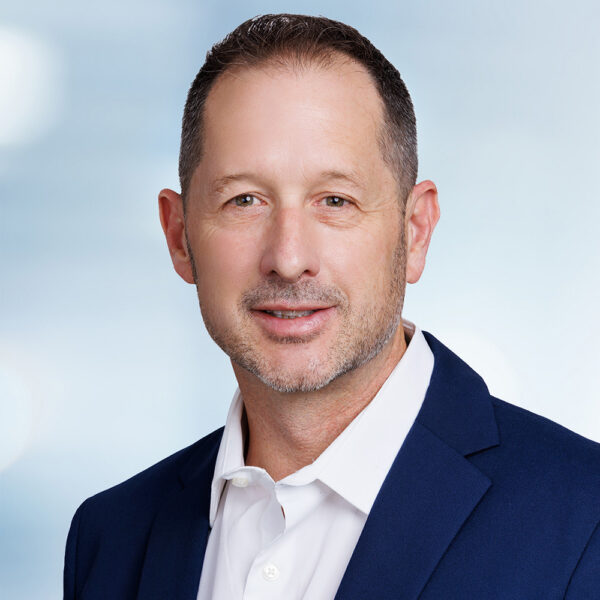
Ronald B. Tjalkens, PhD
Neurotoxicology, Neurodegeneration
Ronald B. Tjalkens, PhD, is a professor in the Department of Neurology at Barrow Neurological Institute.
Dr. Tjalkens’ expertise lies in the study of environmental toxins in neurological diseases, an area known as neurotoxicology. He is a member of the Society for Neuroscience and the Society of Toxicology.
Dr. Tjalkens earned his doctorate degree in toxicology from the Skaggs School of Pharmacy and Pharmaceutical Sciences at the University of Colorado Anschutz Medical Center in Denver. He completed a postdoctoral fellowship in neurotoxicology and experimental neuropathology at the University of Michigan in Ann Arbor.
Dr. Tjalkens’ research focuses on the role of neuroinflammation and glial cells in neurodegenerative diseases, primarily Parkinson’s disease, manganism, and related disorders. His work explores how innate immune signaling in glia drives neuronal injury, protein aggregation, and mitochondrial dysfunction—key processes in basal ganglia disorders, like Parkinson’s.
- Postdoctoral Fellowship, University of Michigan, Neurotoxicology and Experimental Neuropathology, 1998-2001
- PhD, University of Colorado Anschutz Medical Center, Skaggs School of Pharmacy and Pharmaceutical Sciences, 1998
- BS, University of California San Diego, Chemistry/Biochemistry, 1992
- American Society of Pharmacology and Experimental Therapeutics
- Society for Neuroscience
- Society of Toxicology
- President, Society of Toxicology, Neurotoxicology Specialty Section, 2025-2026
- Recipient, University Scholarship Impact Award, Colorado State University, 2024
- Reviewer, National Institutes of Health, Chronic Dysfunction and Integrative Neurodegeneration Study Section, 2021
- Reviewer, National Institutes of Health, Clinical Neuroimmunology and Brain Tumors Study Section, 2020
- Review Panel Member, Michael J. Fox Foundation, Target Advancement Program, 2016
- Chair, National Institutes of Health, Virtual Consortium for Translational/Transdisciplinary Environmental Research Study Section, 2016
- Invited Speaker and Session Chair, European Societies of Toxicology, 49th Congress, 2013
- Session Chair, Cellular and Molecular Mechanisms of Toxicity, Gordon Research Conference, Proctor Academy, 2011
- Regular Reviewer, Neurotoxicology and Alcohol Study Section, 207-2011
- Symposium Chair and Speaker, European Societies of Toxicology, 45th Congress, 2007
- Session Chair, Gordon Research Conference, Mechanisms of Toxicology, Colby College, 2006
- Recipient, National Institutes of Health, Loan Repayment Program, 2004-2006
- Recipient, Early Career Award in Neurotoxicology, Society of Toxicology, 2002
- Recipient, National Research Service Award, National Institutes of Health, National Institute of Environmental Health Sciences, 1998-2001
- Recipient, National Research Service Award, National Institutes of Health, National Institute of Alcohol Abuse and Alcoholism, 1995-1998
- English
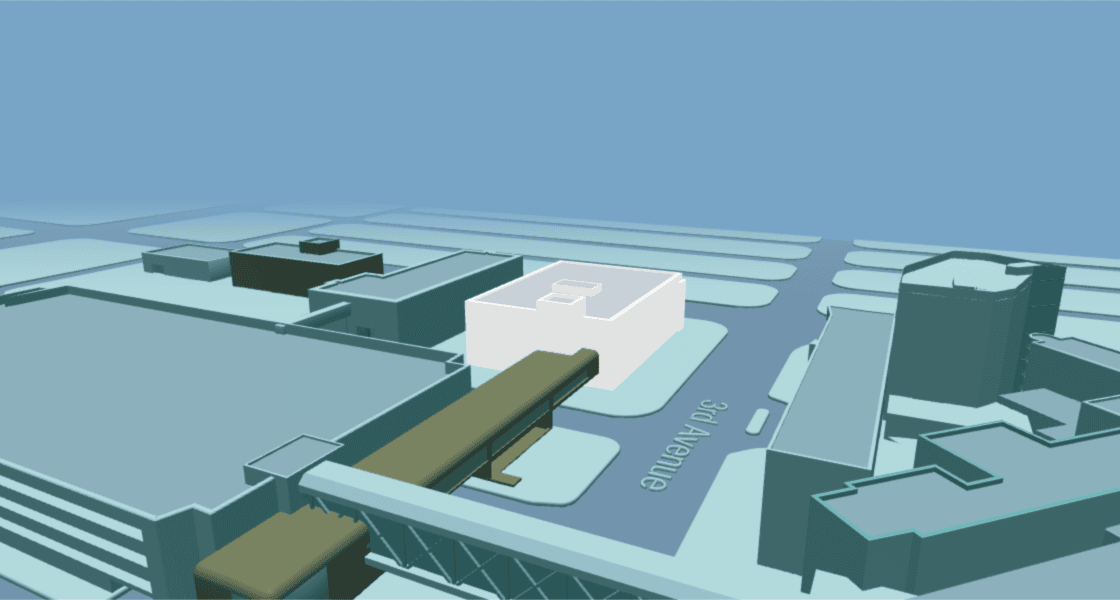
Phoenix, AZ 85013
Ronald B. Tjalkens, PhD
Neurotoxicology, Neurodegeneration
Ronald B. Tjalkens, PhD, is a professor in the Department of Neurology at Barrow Neurological Institute.
Dr. Tjalkens’ expertise lies in the study of environmental toxins in neurological diseases, an area known as neurotoxicology. He is a member of the Society for Neuroscience and the Society of Toxicology.
Dr. Tjalkens earned his doctorate degree in toxicology from the Skaggs School of Pharmacy and Pharmaceutical Sciences at the University of Colorado Anschutz Medical Center in Denver. He completed a postdoctoral fellowship in neurotoxicology and experimental neuropathology at the University of Michigan in Ann Arbor.
Dr. Tjalkens’ research focuses on the role of neuroinflammation and glial cells in neurodegenerative diseases, primarily Parkinson’s disease, manganism, and related disorders. His work explores how innate immune signaling in glia drives neuronal injury, protein aggregation, and mitochondrial dysfunction—key processes in basal ganglia disorders, like Parkinson’s.
Phoenix, AZ 85013
- Postdoctoral Fellowship, University of Michigan, Neurotoxicology and Experimental Neuropathology, 1998-2001
- PhD, University of Colorado Anschutz Medical Center, Skaggs School of Pharmacy and Pharmaceutical Sciences, 1998
- BS, University of California San Diego, Chemistry/Biochemistry, 1992
- American Society of Pharmacology and Experimental Therapeutics
- Society for Neuroscience
- Society of Toxicology
- President, Society of Toxicology, Neurotoxicology Specialty Section, 2025-2026
- Recipient, University Scholarship Impact Award, Colorado State University, 2024
- Reviewer, National Institutes of Health, Chronic Dysfunction and Integrative Neurodegeneration Study Section, 2021
- Reviewer, National Institutes of Health, Clinical Neuroimmunology and Brain Tumors Study Section, 2020
- Review Panel Member, Michael J. Fox Foundation, Target Advancement Program, 2016
- Chair, National Institutes of Health, Virtual Consortium for Translational/Transdisciplinary Environmental Research Study Section, 2016
- Invited Speaker and Session Chair, European Societies of Toxicology, 49th Congress, 2013
- Session Chair, Cellular and Molecular Mechanisms of Toxicity, Gordon Research Conference, Proctor Academy, 2011
- Regular Reviewer, Neurotoxicology and Alcohol Study Section, 207-2011
- Symposium Chair and Speaker, European Societies of Toxicology, 45th Congress, 2007
- Session Chair, Gordon Research Conference, Mechanisms of Toxicology, Colby College, 2006
- Recipient, National Institutes of Health, Loan Repayment Program, 2004-2006
- Recipient, Early Career Award in Neurotoxicology, Society of Toxicology, 2002
- Recipient, National Research Service Award, National Institutes of Health, National Institute of Environmental Health Sciences, 1998-2001
- Recipient, National Research Service Award, National Institutes of Health, National Institute of Alcohol Abuse and Alcoholism, 1995-1998
- English