
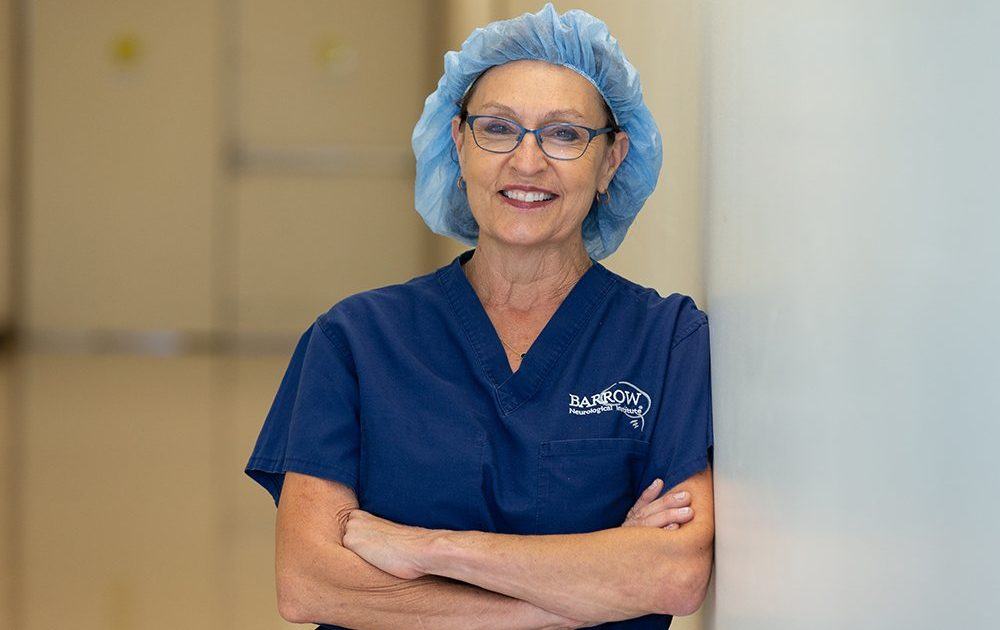
Esteemed Barrow OR Nurse Retires After 40+ Years
When Carol Blazier was asked to fill in for a colleague in neurosurgery, the operating-room nurse begrudgingly agreed, expecting only a temporary hiatus from her beloved cardiovascular cases. Instead, Carol found herself so captivated by the brain that she spent the next four decades devoted to it.
Although her affinity for brain surgery surprised her, Carol had envisioned herself in an operating room before she even started her nursing education. She recalls feeling inspired by a family friend who worked as an OR nurse and then feeling right at home during her surgery rotations in nursing school.
Fast-forward to the present day, and Carol has donned her bouffant surgical cap and navy blue scrubs for the last time. She said the decision to retire from her decades-long career in the neurosurgery OR comes with mixed emotions.
“I’m very excited, anxious, afraid—all of the above,” she confessed. “When you’re young and you’re working, sometimes you’re so tired that you think, ‘I can’t wait until someday when I’m retired.’ Now it’s here, and I feel like I’m standing on a precipice looking down, unsure of where I’m going next.”
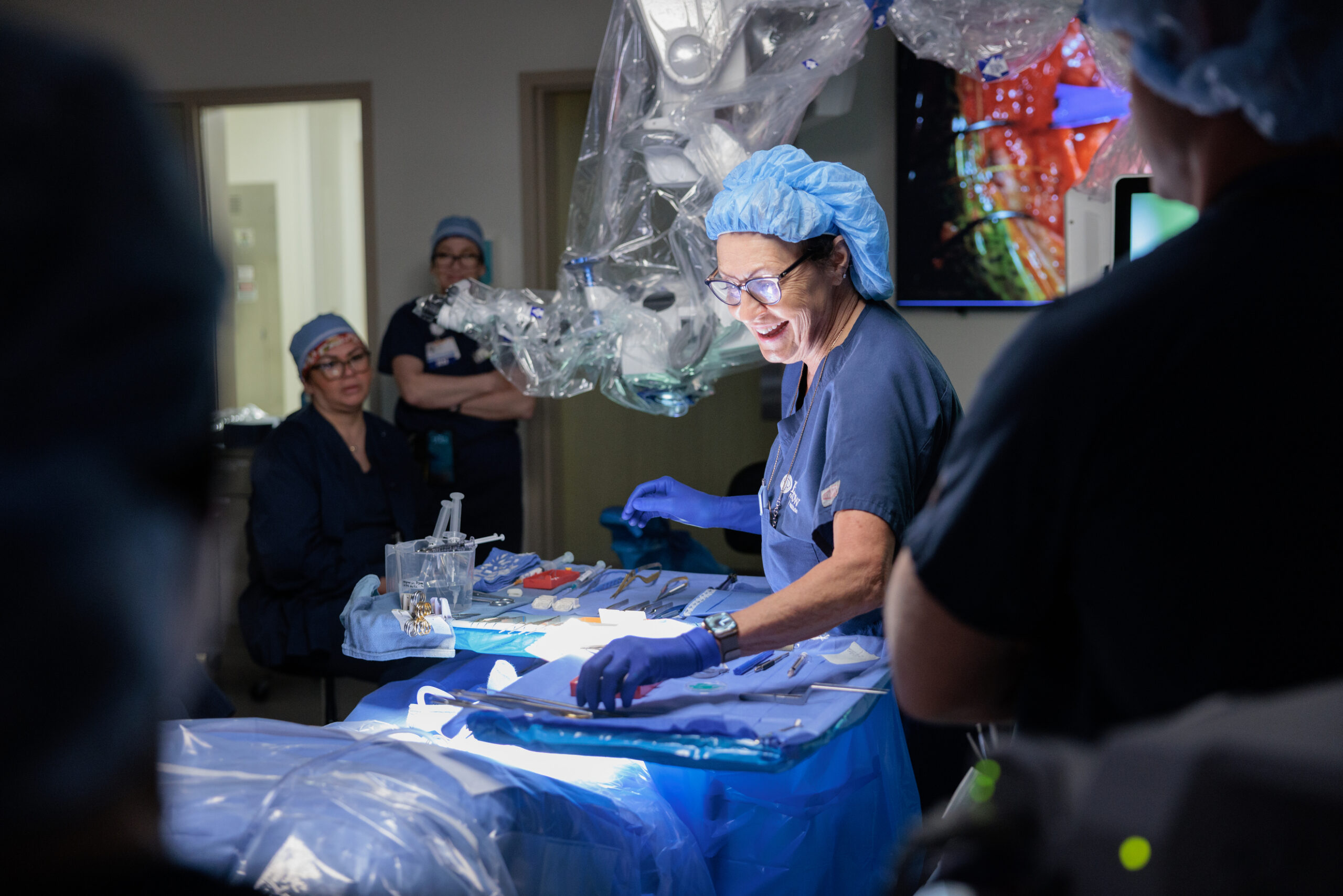
The Early Days
Carol has worked in the Barrow OR longer than any other nurse currently on staff and jokingly refers to herself as “a fixture.” The Illinois native joined Barrow in 1983, shortly after moving from her small farming community of Hampshire to Phoenix, Arizona, with her husband for his job.
At the time, Barrow was under the leadership of its founding director, John Green, MD, and had just two operating rooms. Over the next 43 years, Carol watched in awe as Barrow boomed—from expanding its campus and staff size to building a global reputation for excellence in the neurosciences.
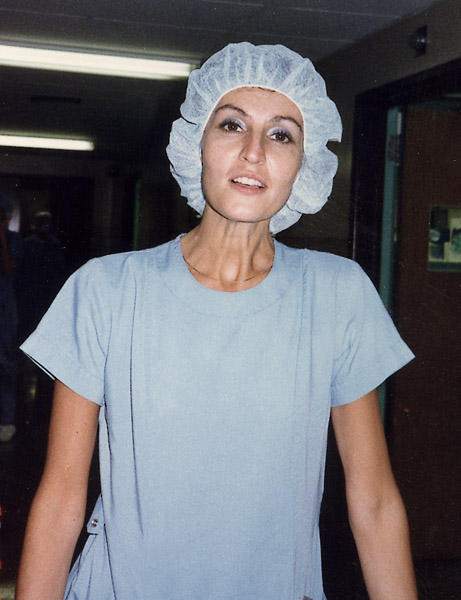
It’s no surprise Carol developed a passion for cerebrovascular cases, given her early interest in cardiovascular surgery. This preference meant Carol frequently worked alongside world-renowned vascular neurosurgeon Robert F. Spetzler, MD, who succeeded Dr. Green as the Institute’s leader in 1986.
Their cases included deep hypothermic circulatory arrest, colloquially referred to as “cardiac standstill,” which Carol had read about in a magazine as a kid. Along with Joseph Zabramski, MD, Dr. Spetzler refined the procedure in the early 1980s. Cardiac standstill involves cooling the patient’s body to a hypothermic state, stopping their heart, and halting blood flow to treat giant and complex brain aneurysms that would otherwise be deemed inoperable.
Reflecting on his time in the OR with Carol, Dr. Spetzler said she provided the best assistance as a scrub nurse that a surgeon could ask for. “Her intuition and training usually allowed the exchange of instruments without requiring anything more than putting your hands out,” he said.
While Carol still vividly remembers every patient with an unfavorable outcome, Dr. Spetzler noted her contribution to countless success stories. “She made difficult operations flow smoothly and, in any crisis, her competence has directly resulted in saving patients’ lives,” he said. “If there was a five-star grading system for scrub nurses, Carol would deserve a six.”
Earning Her Neurosurgical Nursing Stripes
As part of a teaching hospital, Carol has worked with numerous residents and fellows over the years—another aspect of the job she’s cherished. One of those residents was Michael T. Lawton, MD, a protégé of Dr. Spetzler’s who went on to achieve his own stardom in vascular neurosurgery before returning to Barrow in 2017 to succeed the retiring Dr. Spetzler as President and CEO of the Institute.
Carol has always favored scrubbing over circulating, meaning she’d rather directly assist the neurosurgeon than manage the rest of the room. With her penchant for cerebrovascular cases, she has worked as closely with Dr. Lawton as she did with his predecessor.
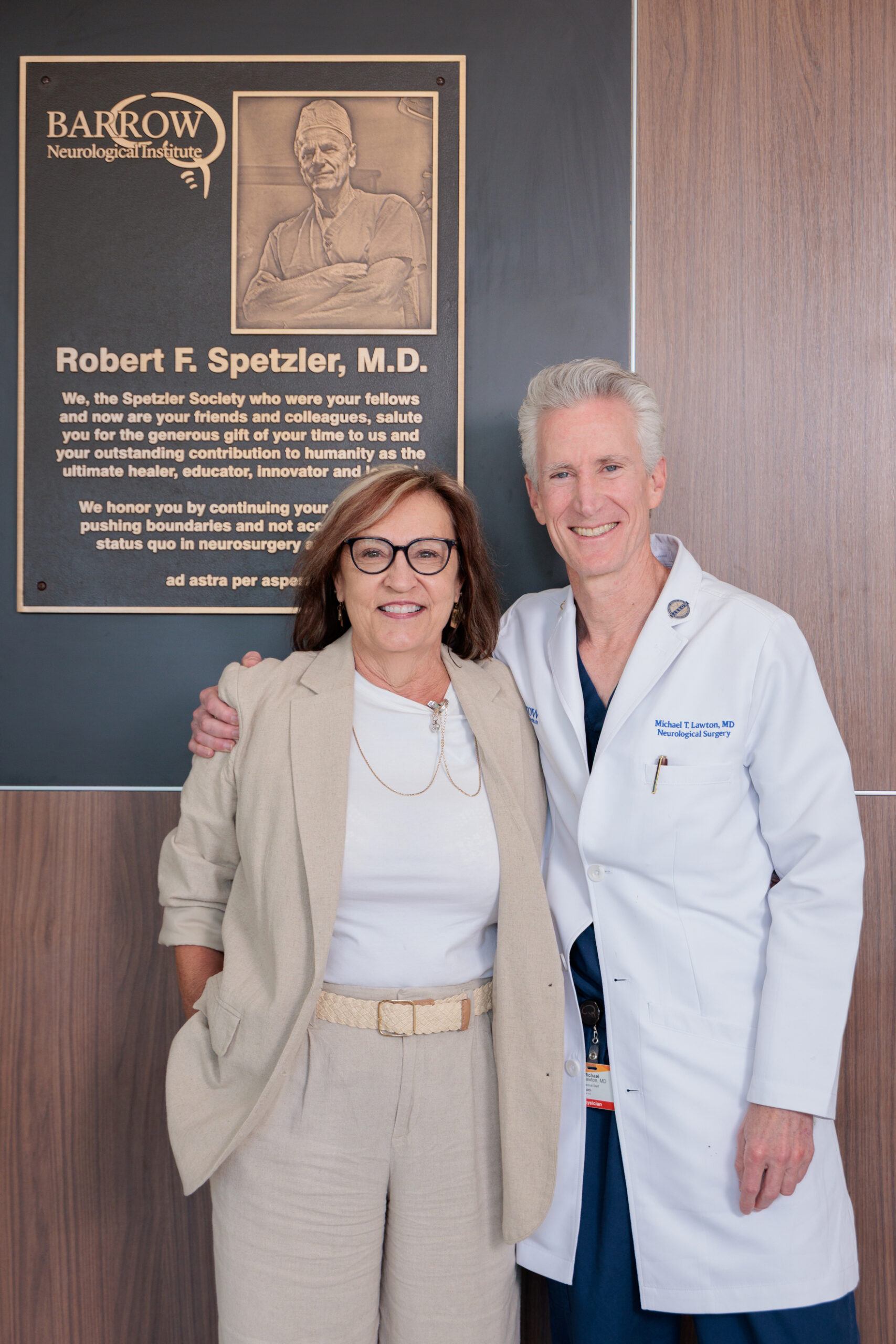
“Carol is the finest scrub nurse I have ever worked with, in Phoenix and San Francisco, and probably the best on the planet,” Dr. Lawton said. “She knows complex operations, understands the neurosurgeon she’s assisting, anticipates every move, is unflappable under pressure, and makes each surgery like a choreographed ballet. Having someone like Carol ‘in my corner,’ or more appropriately, at my scrub table, is a gift that brings me a boost of confidence, security, and joy—which is priceless. Her retirement is a painful loss for all of us in the Barrow OR, but on behalf of everyone there, we are unspeakably grateful for her service and proud of her nursing accomplishments.”
This is what Carol feels most proud of: earning this level of respect from surgeons, along with serving as a trusted source of information for neurosurgeons-in-training and early-career OR nurses.
“Carol’s legacy is not just in the countless patients she’s helped but in every resident who carries her wisdom into the room,” said Virginia Prendergast, PhD, NP-C, FAAN, director of advanced practice nursing at Barrow. “The surgeries may end, but the staff she’s influenced will continue the work for decades to come.”
Carol’s departure means Virginia is the only remaining nurse who has worked at Barrow during the Dr. Green, Dr. Spetzler, and Dr. Lawton eras.
In preparation for her retirement, Carol devoted time to training newer OR nurses to fill her surgical clogs. It’s not just about learning the job; they need to understand the surgeons, too. For example, Carol explained that while some surgeons thrive in a gregarious operating room, others prefer a quieter atmosphere.
At the Crossroads of a Complex Decision
As a longtime OR nurse, relinquishing her job title evokes some existential anxiety; Carol’s profession has comprised a large part of her identity. The hardest part about clocking out for the last time, though, is knowing she’ll see her colleagues less often. “I think the unique thing about the Barrow OR is that we’re such a family,” she said. “We’ve seen each other through childbirths, deaths, weddings, anniversaries, birthdays, and retirements.”
This camaraderie serves the neurosurgeons and staff well in the OR, Carol said, because they know they’ll have each other’s backs during difficult cases. Carol admits she didn’t always understand the value of teamwork, though. That appreciation came with growing up. “For a long time, I thought it was about me,” she said. “Finally, I realize it’s totally not about me. It’s about the patients and working together as a team.”
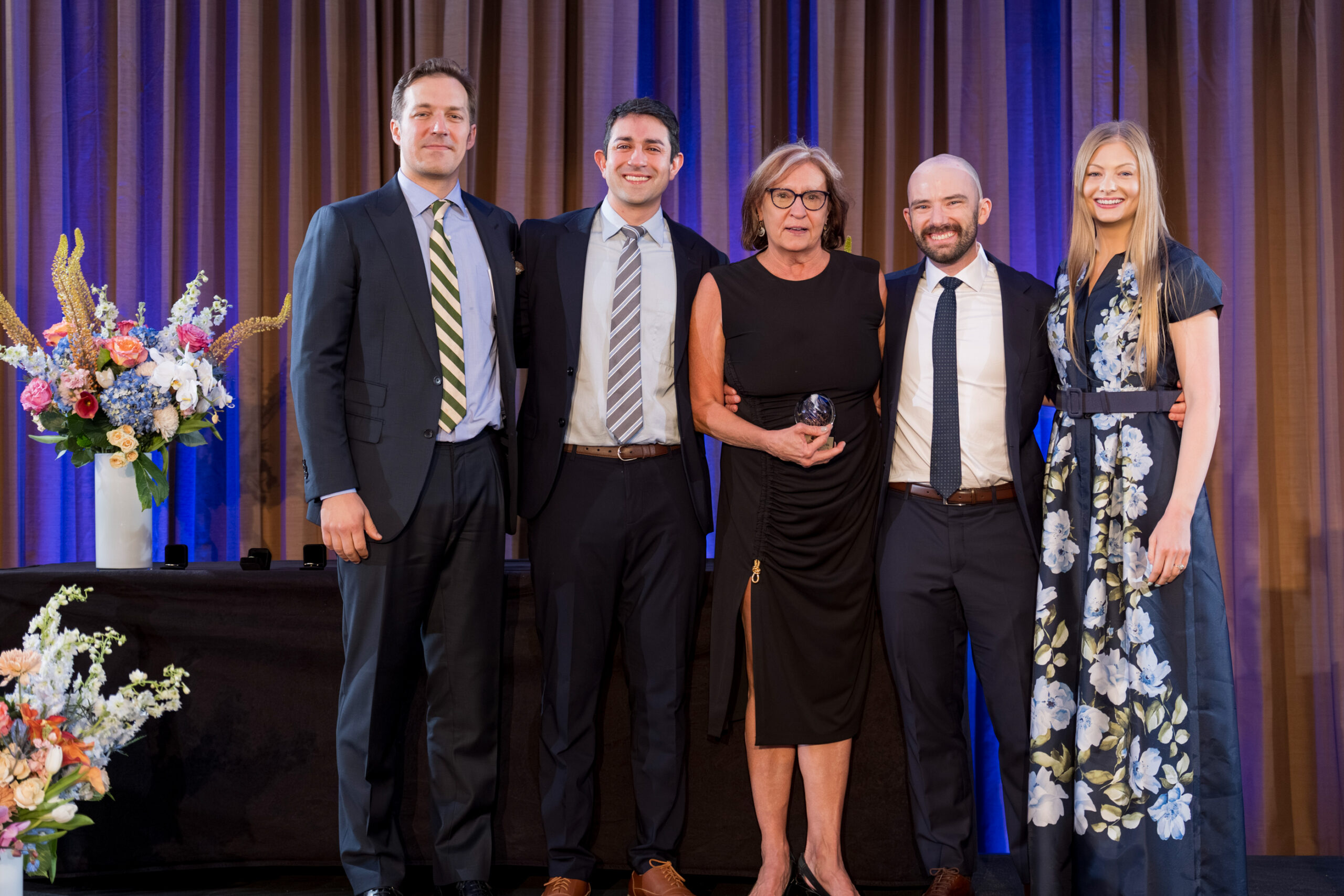
In addition to her personal growth, and that of the Institute, Carol has watched the field of neurosurgery evolve. Cardiac standstill gave way to the less-invasive cardiac pacing technique, advancements in image guidance improved precision, and surgeons began integrating robots into their practices.
This high-tech landscape, along with the physical stamina required in OR nursing, has served as a bit of a reality check for Carol. “I just don’t know if I could keep up with that stuff,” she said, admitting that she’s never had much of an aptitude for computers. “I think it’s time to hang up the saddle.” Or, in this case, pass the bipolar forceps along to the next generation.
The decision didn’t happen overnight, though. Carol knew when the neurosurgery residency class of 2026 arrived seven years ago that they would be the last residency class she’d work with through graduation. “It’s very bittersweet,” she said, “because I like the class now and the classes behind them, but I could stay here forever and say, ‘Oh, I’ll wait until this class is done or this class is done.’”
The Retired Road Ahead
Something Carol is looking forward to, however, is having more time with her already retired husband and their children. They’d like to explore more of Arizona, followed by the Southwest region.
Her colleagues aren’t convinced they’ve seen the last of their witty and sarcastic friend, whom they call “C.B.,” around campus. “She is an institutional treasure that will be missed,” Dr. Lawton said, adding, “until she gets the retirement blues and comes back.”
“She made difficult operations flow smoothly and, in any crisis, her competence has directly resulted in saving patients’ lives. If there was a five-star grading system for scrub nurses, Carol would deserve a six.”
-Robert F. Spetzler, MD, Emeritus President and CEO of Barrow
It wouldn’t be the first time a nurse returned to Barrow after retiring, and Carol acknowledges that being a “retirement failure” could offer her an opportunity to try a different, less physically taxing job in nursing.
While she doesn’t know exactly what this next chapter holds, she knows one thing for sure: “It’s been a privilege to work here with the surgeons and the staff,” she said, “and it’s been a privilege to take care of people.”