
After Scoliosis Surgery, Barrow Patient Pursues Dental Degree, Adventures Abroad
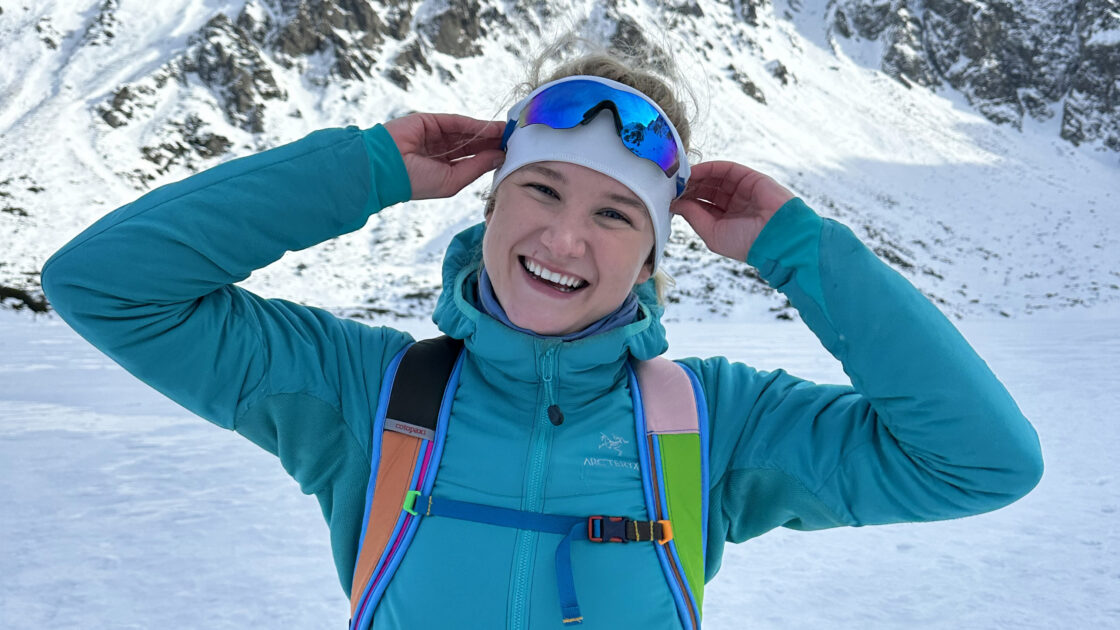
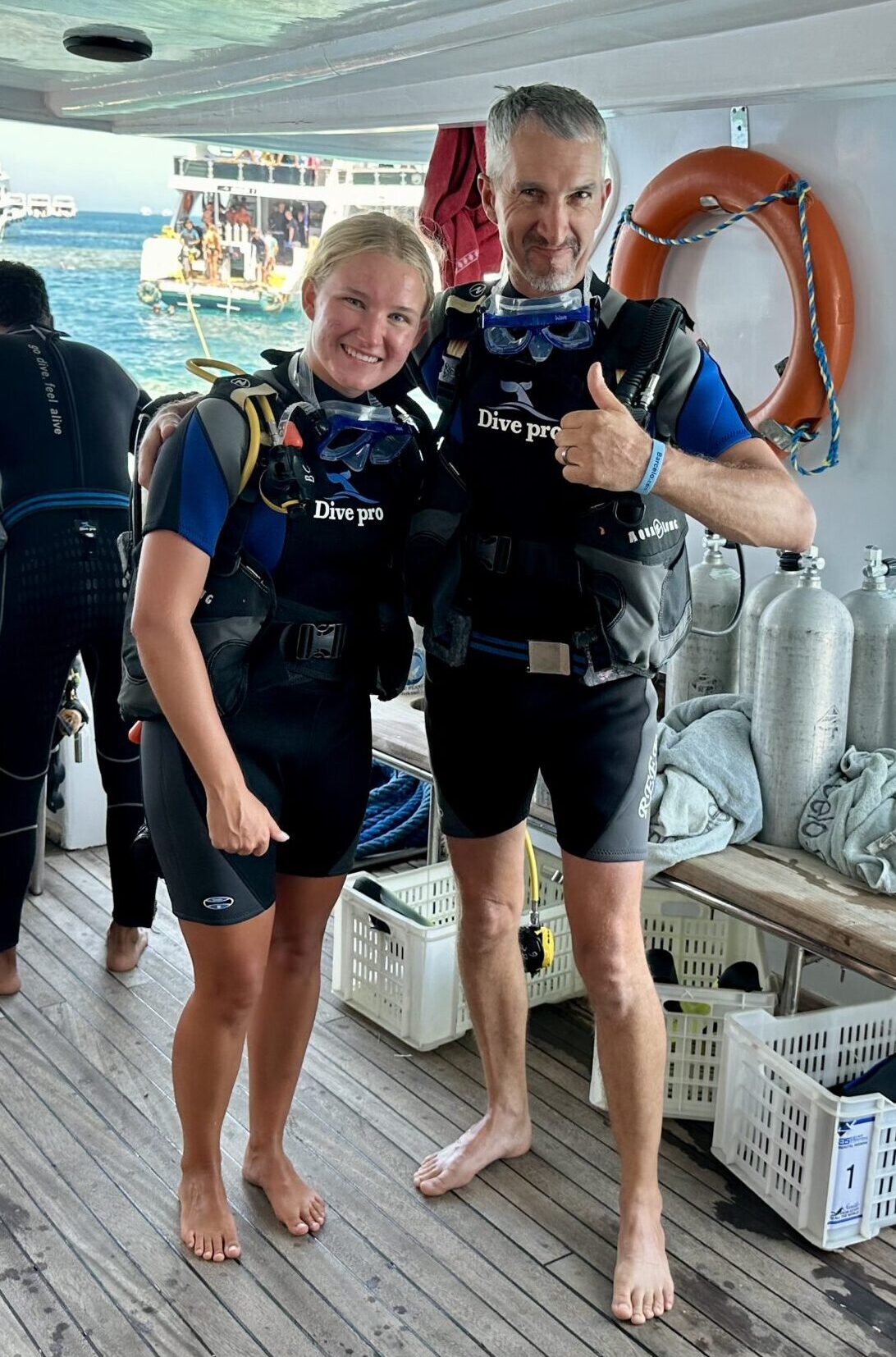
From the summit of a mountain to scuba diving on the ocean’s floor, Alexandra Wikiera spends most of her days off from dental school seeking adventure. Given her active lifestyle, it doesn’t appear as though the 21-year-old has undergone major spine surgery—and she says it doesn’t feel like it either.
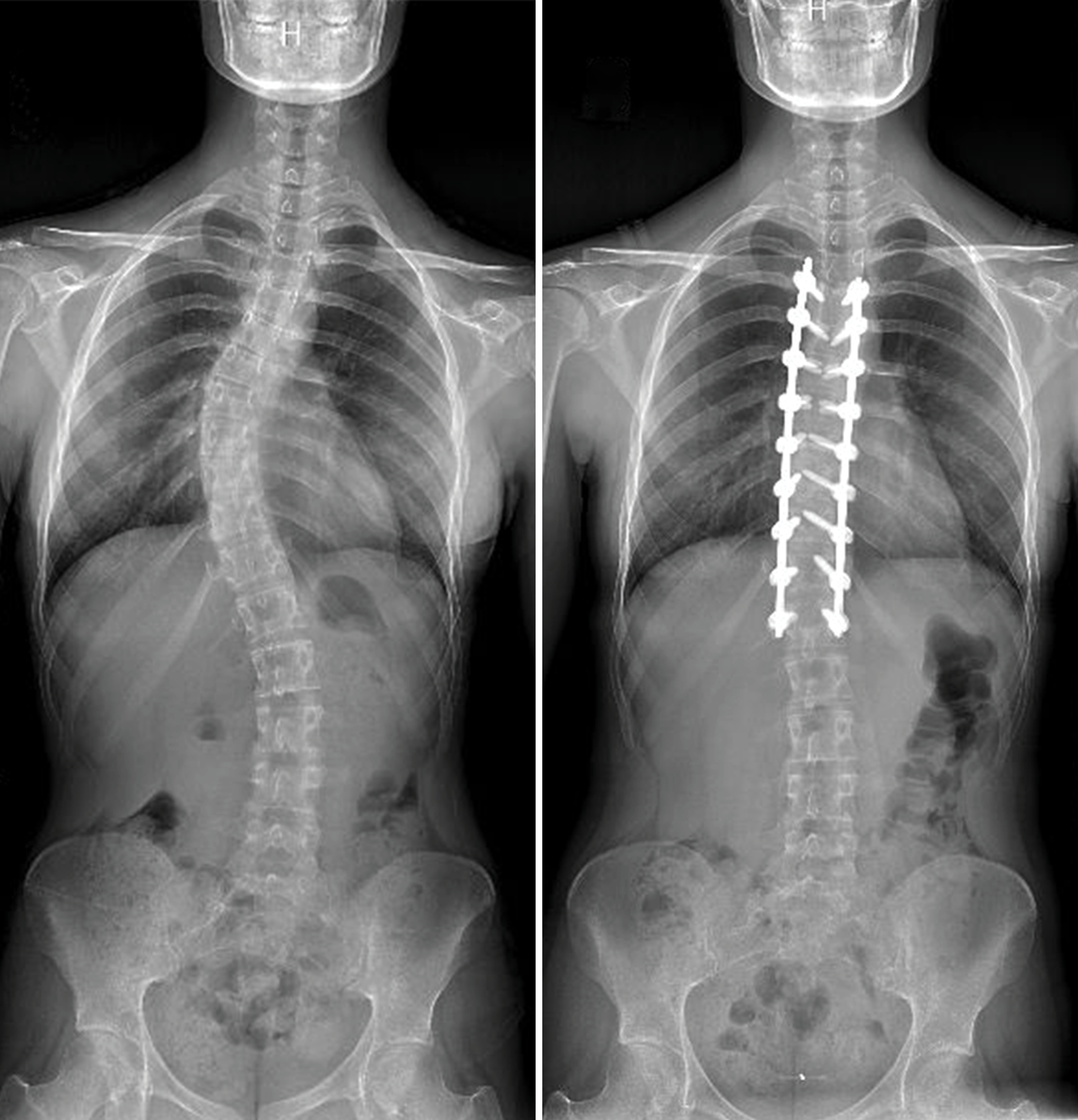
“Dr. Kakarla told me I should be in almost full motion after my surgery, and it was true,” Alexandra said. “I’m basically the same person as before.” The same person, just with two 10-inch titanium rods and 18 pedicle screws in her mid-back.
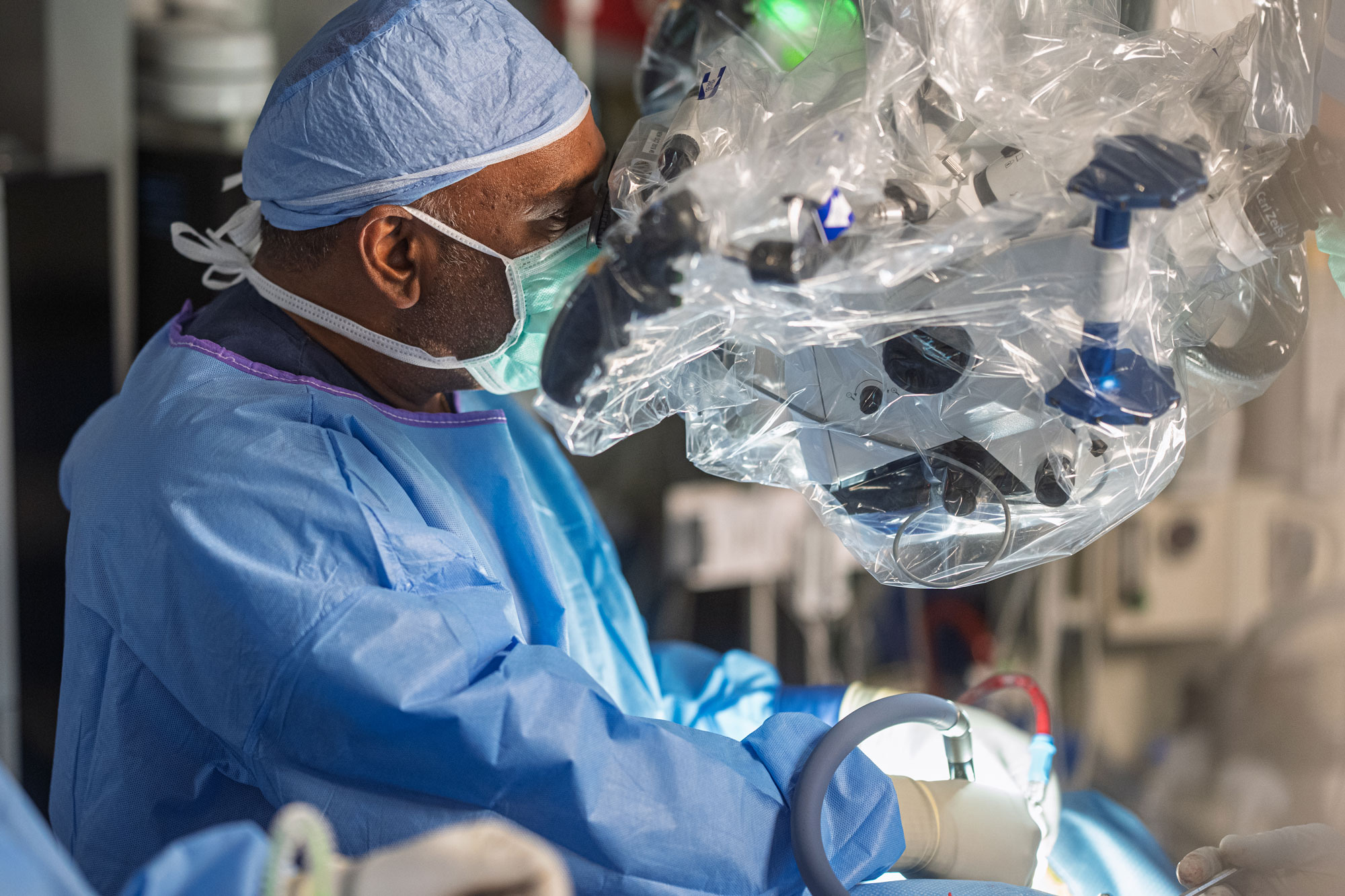
Kumar Kakarla, MD, a neurosurgeon at Barrow Neurological Institute who specializes in complex spine surgery for scoliosis and other spinal deformities, performed a spinal fusion on eight levels of Alexandra’s thoracic spine during the summer of 2022. Alexandra was 17 years old at the time and had received a diagnosis of scoliosis only a year before.
An Unexpected Diagnosis
An abnormal sideways curvature of the spine, scoliosis can present in childhood for no apparent reason; often during the first adolescent growth spurt. Spine surgeons refer to this type of scoliosis as adolescent idiopathic scoliosis.
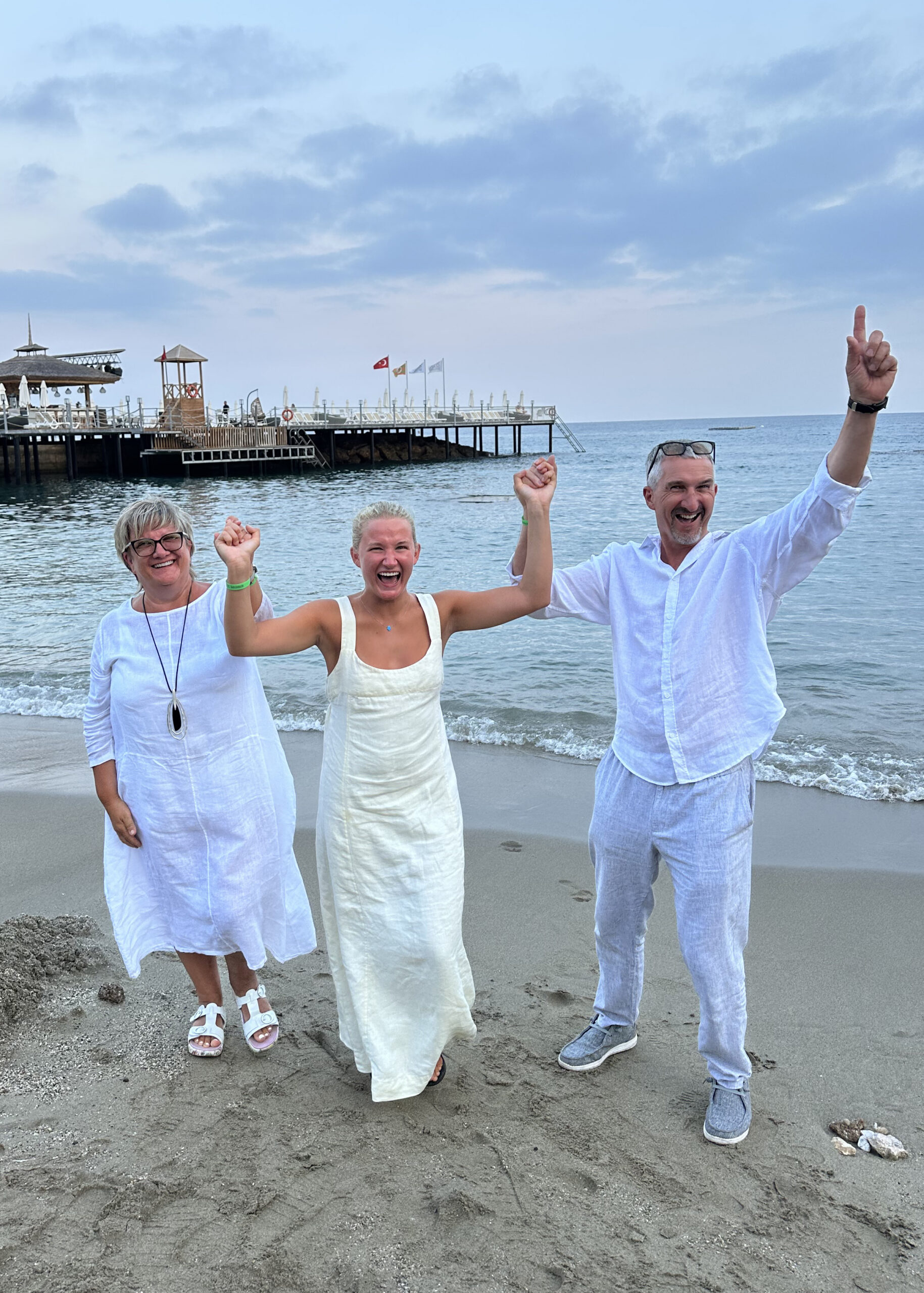
Alexandra was surprised to learn she had severe scoliosis after a family friend, who works as a nurse at Barrow, examined her back at the request of her mother. After all, she hadn’t noticed any pain and was swimming competitively for her high school in Surprise, Arizona.
This experience is common among teens with idiopathic scoliosis, though. Rather than pain or other symptoms prompting X-ray imaging, the impetus is often a simple screening test performed by a clinician, known as the Adam’s forward bend. Many people probably remember this test from the office of their school nurse or pediatrician.
“Basically, you just lean forward, and we’re looking for one side of the ribcage sticking up higher than the other,” Dr. Kakarla explained. “That’s because the ribcage is attached to the thoracic spine itself.”
A Patient-Led Decision
During X-ray imaging, Alexandra’s thoracic spine showed a 46-degree sideways curvature. “Anything below 25 degrees doesn’t really warrant treatment, because it doesn’t tend to get worse,” Dr. Kakarla said. “Anything about 45 to 50 degrees, we know from historical studies that it can still get worse into adulthood.”
Left untreated, severe scoliosis may eventually cause pain or nerve damage. The curvature can even inhibit a person’s ability to breathe if it progresses to about 90 degrees, as the lungs no longer have room to fully expand.
But it’s not only the severity of the curvature that guides surgical decision-making in adolescent idiopathic scoliosis. Like any procedure, patients must weigh the potential benefits against the potential risks and consider the timing that makes the most sense for them. A teenager with an athletic scholarship to college, for example, might opt to wait until after college to have their scoliosis corrected if it isn’t progressing rapidly. Scoliosis typically worsens by less than one degree per year.
As Alexandra and her parents considered whether to pursue surgery soon after her diagnosis, she felt at ease under the guidance of Dr. Kakarla and his team. “He was super patient,” she said. “He gave us all of the options and wanted me to decide what was best for me.”
Alexandra appreciated feeling empowered to make her own treatment decision. She gave physical therapy a go for a couple of months before realizing she wanted to have surgery sooner rather than later. On the one hand, Alexandra was a competitive swimmer and hoped to continue swimming in college—but on the other hand, she knew she might not be living with her parents much longer and that their help would benefit her recovery.
As fate would have it, her concerns were warranted: Alexandra would end up moving to Kraków, Poland to study dentistry after graduating from high school, meaning she would live 6,000 miles away from her parents and her older brother before eventually convincing them to join her.
Setting the Scoliosis Straight Through Spinal Fusion
Alexandra scheduled surgery for her summer break before her senior year of high school. Although she elected to have surgery, the idea of undergoing a major procedure at a young age was still nerve-wracking. However, her confidence in Dr. Kakarla and his team helped put her at ease.
“I felt a great comfort, from not only Dr. Kakarla but also the staff. From the first appointment to the post-op care, I felt like Barrow was really there for all my needs. I never felt uncomfortable, and all my questions were always answered truthfully. This team at Barrow is incredibly skilled, attentive, and kind, but at the same time, professional.”
-Alexandra Wikiera, Barrow Patient
“I felt a great comfort, from not only Dr. Kakarla but also the staff,” she remembered. “From the first appointment to the post-op care, I felt like Barrow was really there for all my needs. I never felt uncomfortable, and all my questions were always answered truthfully. This team at Barrow is incredibly skilled, attentive, and kind, but at the same time, professional.”
Alexandra recalls the surgery lasting around four hours, during which Dr. Kakarla fused her spine from levels T4 to T12. Normally, intravertebral discs separate the bones of the spine, acting as shock absorbers and enabling movement. In a spinal fusion, the surgeon removes these discs and joins the vertebrae together with a bone graft to stabilize those levels of the spine.
Since Dr. Kakarla didn’t need to extend the fusion beyond the thoracic region of Alexandra’s spine, he was able to preserve most of her normal movement. “The less number of lumbar levels you involve in your spinal fusion, the less patients notice any loss of range of motion,” he explained. That’s because the thoracic region is already more rigid than the rest of the spine, due to its connection to the ribcage.
Healing in Action
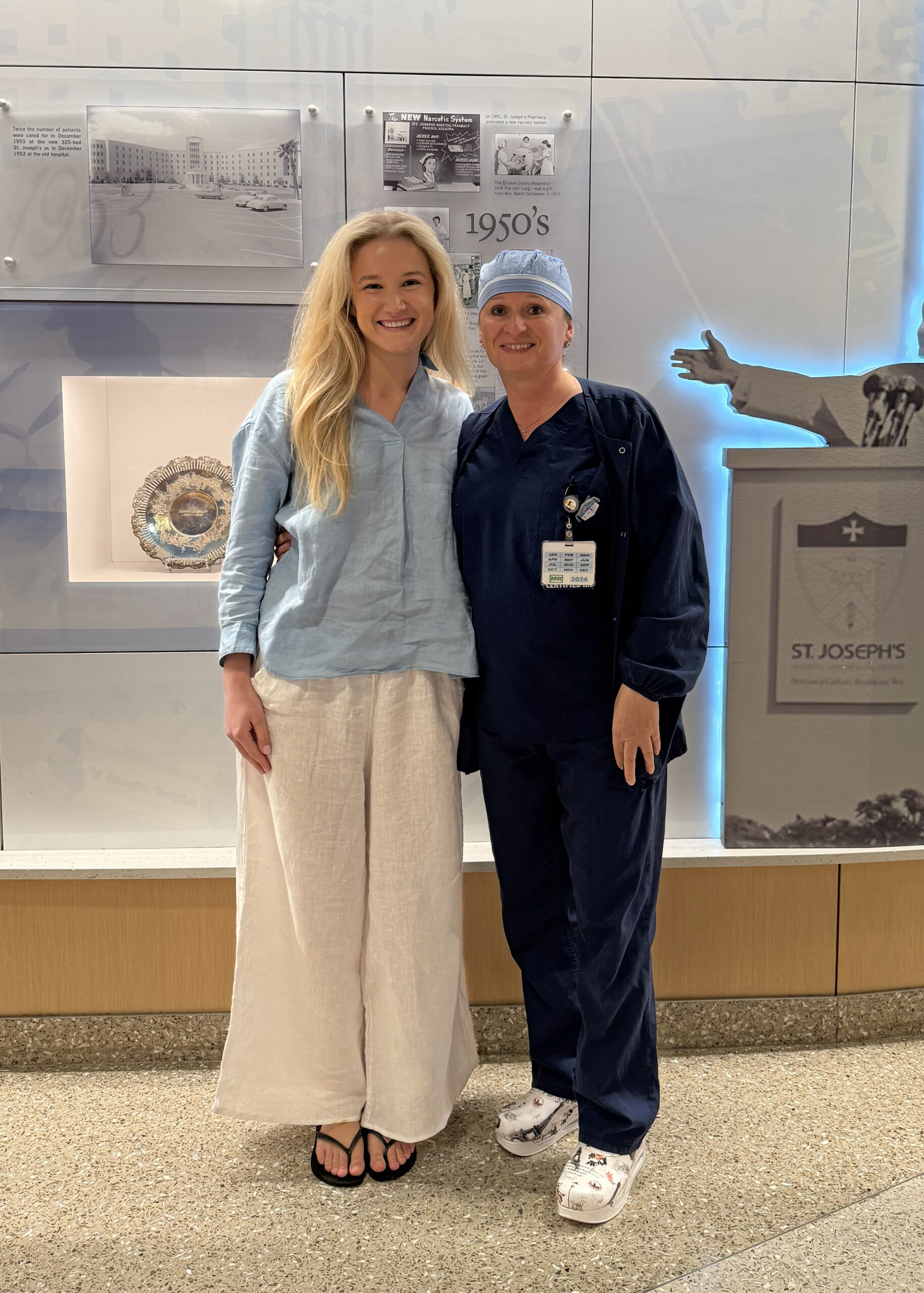
Alexandra spent a few days in the Neuro-Intensive Care Unit following her surgery before moving to the general nursing floor. She remembers the way the nurses and other staff anticipated her needs, the empathy they showed her, and the gentleness of their care. “My stay at St. Joseph’s Hospital was somehow comfortable for such an uncomfortable time.”
Alexandra’s medical team discharged her from the hospital with a back brace to wear as she continued to heal and an order for outpatient neuro-rehabilitation. Dr. Kakarla also provided her with guidance on gradually reintroducing physical activity back into her life.
Alexandra described the first two weeks of her recovery as hard and painful. At the one-month mark, however, she was walking the streets of Europe on a family vacation without any problems. She opted not to swim competitively in her senior year of high school, as the extended break had slowed her down, but she returned to the sport in college, starting with swimming in P.E. and then joining the school’s swim team.
“I’m not quite where I used to be, because it’s a different ballgame,” she said. “It used to be super intense, but now I’m kind of doing it for the love of the game. I’m keeping my body healthy and moving, and I’m finding new interests.”
A Path Full of Possibility
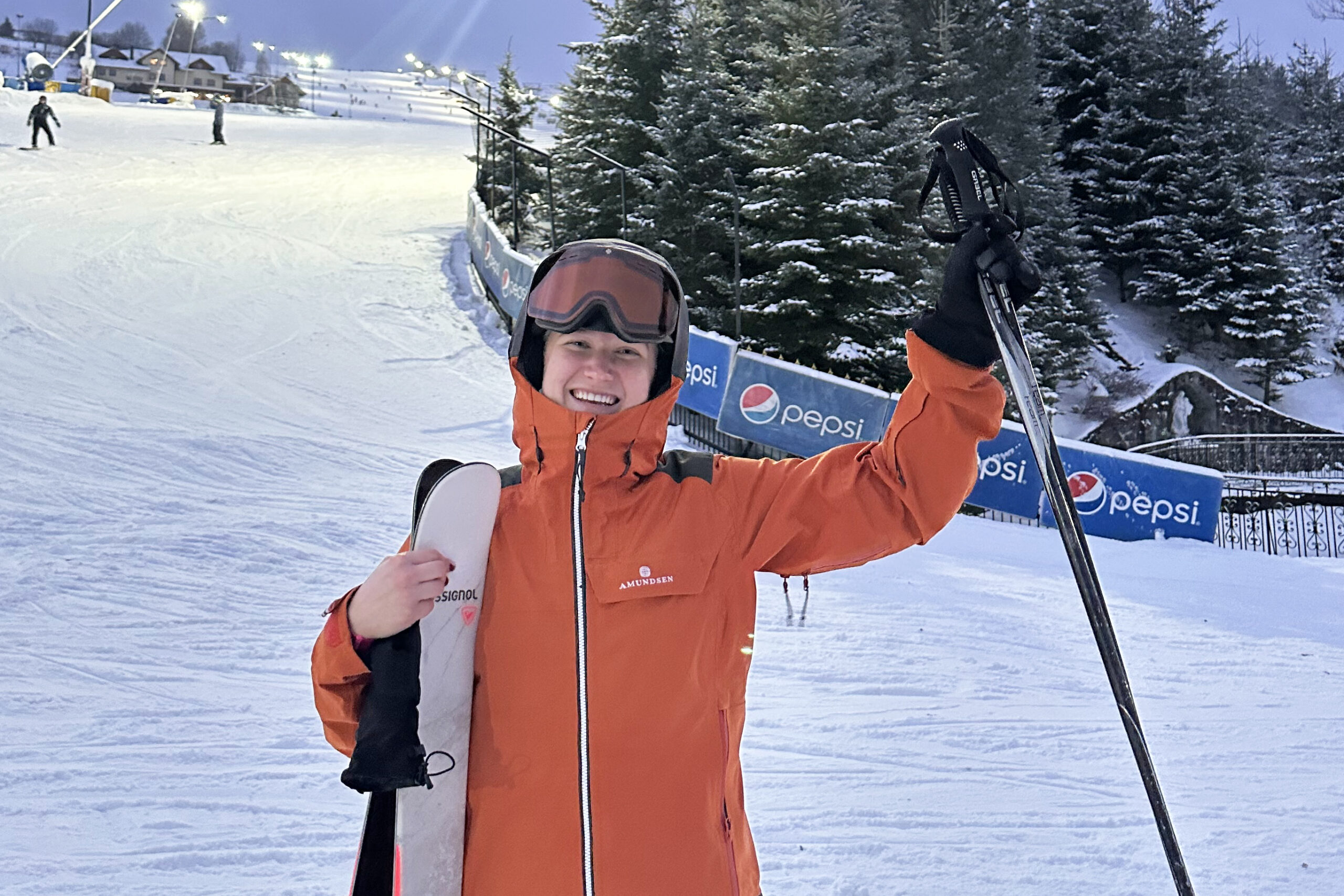
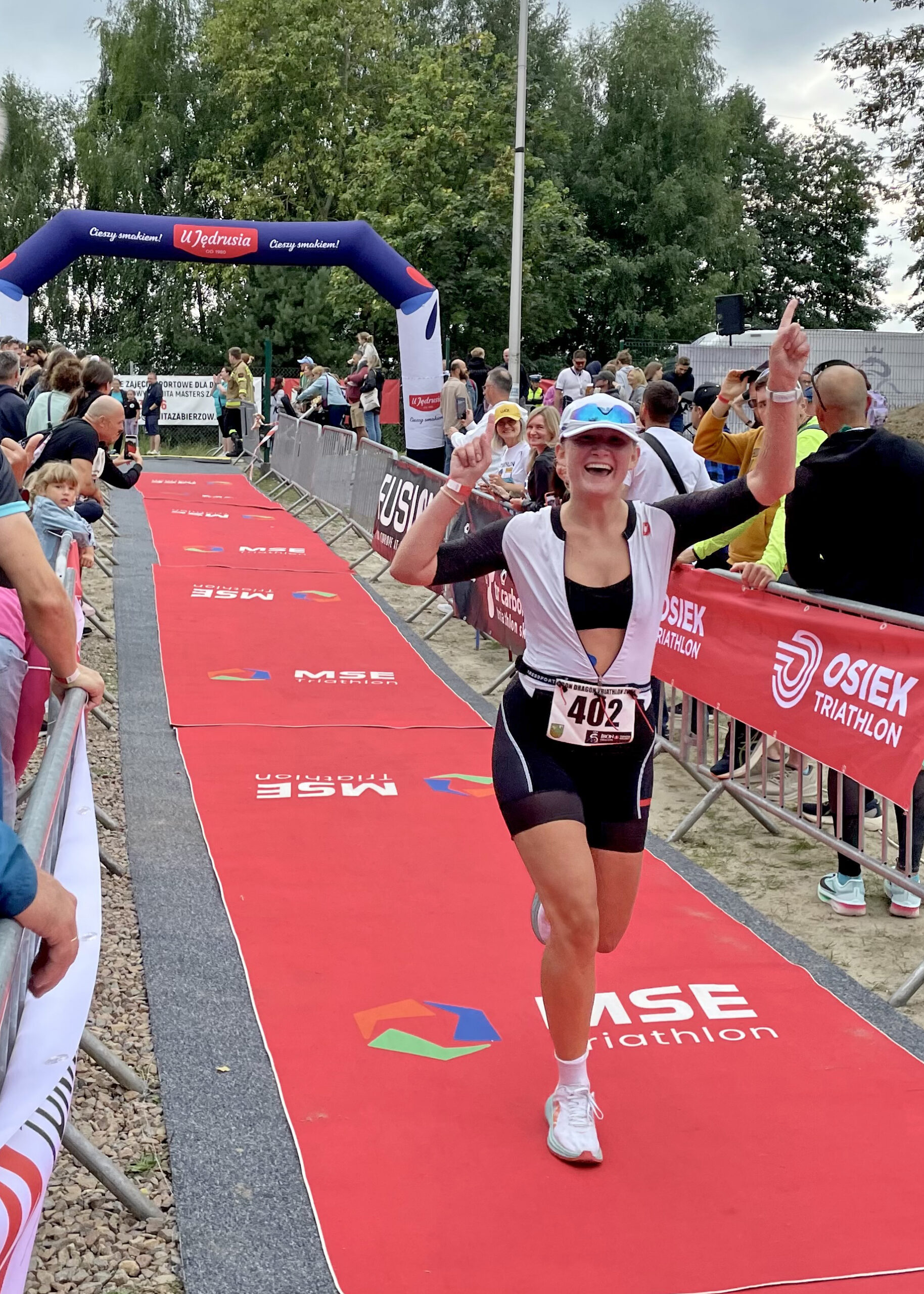
Alexandra competed in an Olympic-distance triathlon last summer and has her sights set on a full Ironman in the near future. She’s not sidelined by the cold winter days in Kraków either, as she also enjoys skiing and hitting the gym.
She takes pride in her academic pursuits just as much as her athletic achievements. A summer externship where she observed surgeries for conditions like broken jaws and head and neck cancers sparked her interest in maxillofacial surgery.
“I’m really pleased with Alexandra’s outcome,” Dr. Kakarla said. “We straightened her spine as much as we could, while still leaving all of the range of motion intact for her so that it wouldn’t interfere with her plans for her life. She did well and had a fantastic attitude.”
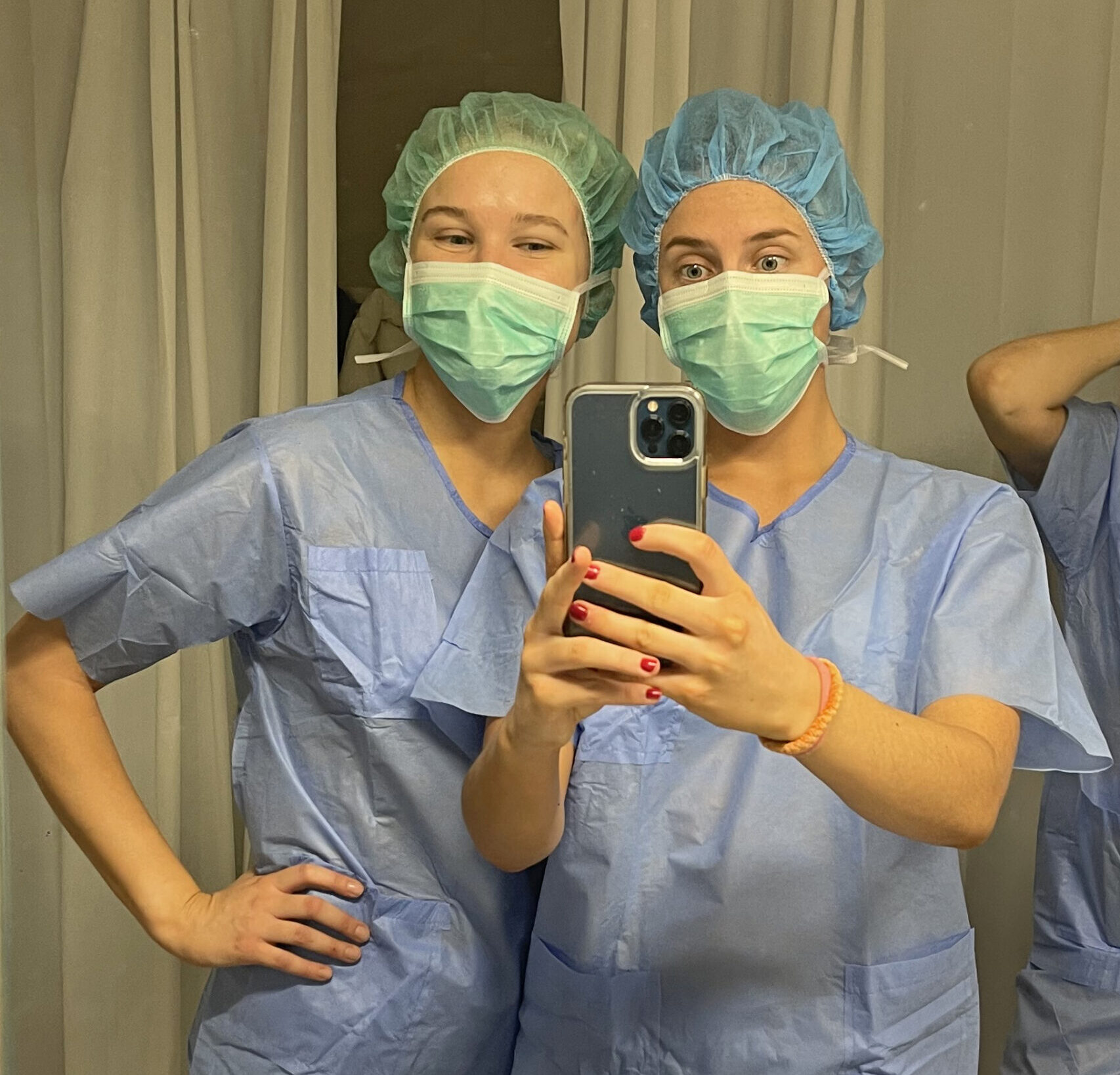
Almost four years after surgery, and with no noticeable signs other than a subtle stiffness in her back, Alexandra wholeheartedly believes she made the right decision. She encourages others to trust themselves as she did.
“I feel like everybody has something in them that tells them what’s best,” she said. “And if you have a great surgeon and a great medical team plus a great team at home, it’s perfect. … I would not change what I did for anything. The surgery has not only benefited me now but also myself for the future.”