

Twin Sisters, Neurotology Patients Find Their Voices Through Cochlear Implants
Maria-Regina and Maria-Renata Campa Moreno experienced hearing loss from a very young age. Although countless early screenings came back normal, the two seemed to progressively struggle. Despite years of misdiagnoses and uncertainty, their mother, Diane, refused to give up searching for answers. Her persistence and intuition eventually led the family to Barrow Neurological Institute, where specialists offered answers and a future filled with connection, confidence, and sound.
Early Struggles
Maria-Regina and Maria-Renata had normal hearing tests at birth, but as they grew and started school, the effects of their hearing loss became clearer.
“One teacher told me that she was crying all the mornings,” Diane said, recalling one of her daughter’s difficulties in school. “She didn’t want to go and she fell asleep on her seat, and everything was going bad.”
The teacher thought Diane’s daughter might have attention-deficit/hyperactivity disorder (ADHD), noting that the student was struggling to pay attention and complete her school work . “Normal things for a girl that couldn’t hear, but I didn’t know that,” Diane said.
Eventually both sisters started using hearing aids, but the relief was limited.
“Teenagers are not a common age demographic. It’s a group that we don’t get to talk to very often, that a lot of times basically just fakes it until they make it. So they may have hearing loss, but they don’t want their peers to know.”
Shawn Stevens, MD
“With the hearing aids, it’s just like a microphone,” Maria-Renata said. “There’s this background noise, there’s the wind, there’s people talking, there’s the noise the chairs make, and they’re all like mushed up together.”
For years, the twins and their mother were left to fend for themselves from a medical standpoint, navigating school and adolescence with an obstacle not common for their age group.
Finding Answers
Answers, and life-altering treatment, were waiting for the Morenos when they moved to Phoenix in 2023. Shawn Stevens, MD, the director of the Surgical Neurotology Program at Barrow, determined the cause of their condition.
“The two of them developed a hearing loss that we call postlingual and progressive,” Dr. Stevens said. “It came on early in their lives. So when they were children, they started to develop some signs of this hearing loss.”
Postlingual and progressive hearing loss develops after a person learns how to speak and gradually gets worse over time. Dr. Stevens said a condition like this among certain age groups can sometimes fly under the radar.
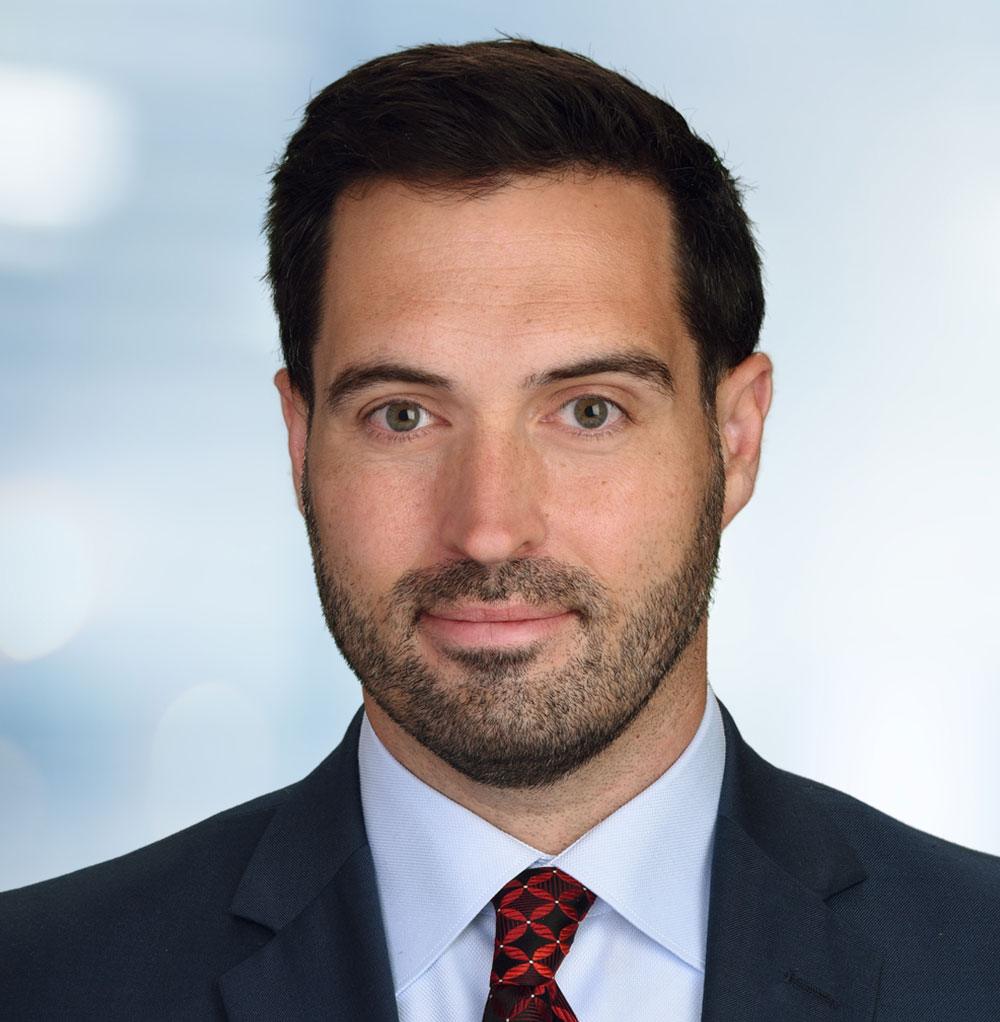
Director, Surgical Neurotology Program
“Teenagers are not a common age demographic,” Dr. Stevens explained. “It’s a group that we don’t get to talk to very often, that a lot of times basically just fakes it until they make it. So they may have hearing loss, but they don’t want their peers to know. So a lot of times we don’t even know this is happening in those individuals as practitioners until eventually they get so impaired by their hearing that they just can’t go forward anymore.”
With Dr. Stevens and the team of world-class audiologists at Barrow, Maria-Regina and Maria-Renata finally found a path forward with a treatment that properly addresses the decline of their hearing. Cochlear implants are advanced devices that help restore some hearing loss by stimulating the auditory nerve. This nerve carries the electrical hearing signals to the brain, where sound is processed and interpreted.
This technology differs from the twins’ previous treatment, hearing aids, because it stimulates the auditory nerve directly instead of simply amplifying sound waves coming into the ear. The cochlear implant also differs because the technology is implanted surgically inside the ear.

Hearing and Healing
Cochlear implants have not only been a way for the twins to regain their sense of hearing, but also their sense of self. School was once a place where they felt misunderstood and left out; now, they’re able to connect with peers more easily.
“It’s just so enjoyable to be at school because I feel like school is not only like being in the classroom, but you also have to be outside and socialize with people,” Maria-Regina said.
Her sister, Maria-Renata, agrees that their hearing improvements have helped them come out of their shells. “I was also going upstairs and just doing my thing or homework because I didn’t talk to people that much, but now I’m enjoying so much, like talking with people and laughing,” she said.
The journey has been remarkable, both for the Moreno family and their team of cochlear implant specialists at Barrow. .
“Getting to sit down with the two of them and hear their stories, like the process, the narrative that they’ve gone through, has just been amazing,” Dr. Stevens said. “I think the team has just been enraptured by watching them go through this and not only do we render a treatment, but we get to watch a life unfold after it. Because of the nature of how cochlear implant technology works, we get to walk along with them on that journey and we get to watch, really, almost every step of it.”
Now, both Maria-Renata and Maria-Regina are looking forward with optimism and confidence.
“I’m just really excited because I feel like it’s going to be easier mentally on myself,” Maria-Regina said.