

Chronic Daily Headaches
At a Glance
- Chronic daily headaches are a type of headache that happens at least half of every month—15 days or more—for three months or longer.
- The cause of chronic daily headaches tends to be a combination of factors, such as medication overuse, headache triggers, and underlying conditions.
- Common symptoms include headaches with a variety of characteristics, from mild to severe aching, pulsating, or throbbing pain; a pressing or tightening sensation on all sides of the head; or a long-lasting one-sided headache.
- The primary treatments include lifestyle modifications and medications; targeted therapies and neuromodulation devices; and, in select cases, surgery.
Overview
Chronic daily headaches are a group of headache disorders that occur on at least 15 days of every month, for at least three months. They’re divided into two main categories based on the length of each headache episode:
- Long-duration chronic daily headaches: These headaches last more than 4 hours.
- Short-duration chronic daily headaches: These headaches last less than 4 hours.
Long-duration chronic daily headaches include:
- Chronic migraine: As one of the most common types of chronic daily headache, this involves a throbbing or intense, piercing pain in the head that may also be accompanied by nausea or a sensitivity to light or noise.
- Chronic tension-type headache: The second most common type of chronic daily headache is a dull, pressing, or tightening headache, much like a rubber band squeezing around the head, with mild to moderate intensity.
- New daily persistent headache (NDPH): This type of headache starts suddenly, then doesn’t go away, becoming daily or near-daily for more than three months.
- Hemicrania continua: This is a rare, long-lasting headache on one side of the head only, without ever switching to the other side.
Short-duration chronic daily headaches include:
- Cluster headache: Cluster headaches cause sudden, severe pain on one side of the head, typically behind or around the eye, and last anywhere from 30 minutes to three hours.
- Paroxysmal hemicrania: This is a rare headache disorder characterized by short, frequent attacks of sharp, severe, one-sided pain. Each episode can last anywhere between 2 and 30 minutes and can occur multiple times a day.
- Short-lasting unilateral neuralgiform headache attacks (SUNHA): These are brief, repetitive attacks of severe, piercing pain, usually around one eye or temple, that last just seconds to minutes, dozens of times a day. A red, watery eye, eyelid swelling, or eyelid drooping often accompanies this type of chronic daily headache.
Did you know?
Chronic daily headaches are similar to chronic pain: neither one is a single, specific condition, but an umbrella category that applies once pain persists long enough.
What causes chronic daily headaches?
While the causes of chronic daily headaches are not fully understood, what is known is that there’s often a combination of factors that create the ideal conditions for these persistent headaches. Those include:
- Episodic headache disorder progression: This is one of the most frequent ways chronic daily headaches develop: Migraines or tension headaches gradually increase in frequency until they exceed the 15-day threshold each month, due to the nervous system’s pain pathways becoming more reactive over time.
- Medication overuse: Using pain relievers too frequently to treat recurring headaches can actually cause more headaches, a well-documented phenomenon called medication overuse headache. This creates a frustrating cycle in which the treatment perpetuates the problem.
- Underlying triggers or conditions: Poor sleep, high stress, hormonal changes, depression or anxiety, jaw clenching or neck tension, and even head or neck injuries can all contribute to a headache pattern becoming chronic.
- Genetics and individual physiology: Much like how migraines tend to run in families, some people have a nervous system more prone to frequent head pain.
Sometimes, there’s no clear cause for chronic daily headaches. Some emerge suddenly with no identifiable trigger, like new daily persistent headaches (NDPH), which can be one of the more frustrating aspects of the condition.

Chronic Daily Headaches Symptoms
Beyond occurring at least 15 days per month for three months or longer, chronic daily headaches can include any combination of the following symptoms:
- In chronic migraines, leading symptoms include a throbbing or pulsing pain, often on one side of the head, along with nausea, vomiting, sensitivity to light and sound, and occasionally visual disturbances, known as auras, before the migraine begins. What makes a migraine chronic is the frequency: 15+ headache days a month, with at least 8 of those days having migraine-specific features.
- In chronic tension headaches, the primary symptom includes a dull, aching pain on both sides of the head that feels pressing or tightening, but not pulsating. Many patients describe chronic tension headaches as like wearing a hat that’s too tight, and the pain tends to be milder but more constant, like background static rather than a sharp spike.
- In new daily persistent headache (NDPH), the leading symptom is a mild-to-moderate headache that begins suddenly, with no clear trigger, affects both sides of the head, and becomes constant within three days of the first headache. These headaches often occur in people without a history of headaches.
- In hemicrania continua, the main symptom is a continuous and moderate one-sided headache that doesn’t switch sides, along with symptoms on the same side as the pain, like tearing or redness of the eye, a droopy eyelid, nasal congestion or runny nose, and/or a drooping eyelid or narrowing of the pupil. In fact, the name hemicrania continua means “half the head, continuous.”
- In cluster headaches, the leading symptom is often described as one of the most severe pain conditions a person can experience because of its intensity. Cluster headaches cause excruciating, one-sided pain centered around or behind one eye, paired with same-side symptoms such as a red or teary eye, a drooping eyelid, or a stuffy or runny nostril. True to the name, cluster headache attacks often occur in clusters over weeks or months, followed by stretches of headache-free periods.
- In paroxysmal hemicrania, symptoms are similar to cluster headaches, but the attacks are shorter and occur more frequently throughout the day.
- In short-lasting unilateral neuralgiform headaches attacks (SUNHA), a rarer type of chronic daily headaches, the leading symptom includes extremely brief, stabbing, one-sided pain—often just seconds to a couple of minutes per attack—that happens dozens or even close to 100 times a day, along with eye redness and tearing on the affected side. The extremely short duration and high frequency of SUNHA set it apart from other short-duration types.
Chronic Daily Headaches Diagnosis
An accurate diagnosis of chronic daily headaches largely rests on your provider’s understanding of your symptoms, since there’s no single, immediate test that can diagnose the condition. That said, following a certain diagnostic process is still important for ruling out anything that’s potentially more serious.
The following exams, tests, and imaging may be used in chronic headache diagnosis:
- Physical and neurological exam: First, your provider will ask detailed questions about your symptoms, when they began, how long each one lasts, what the pain feels like, and any other symptoms that accompany it, like nausea or a red, watery eye. Next, they’ll assess your neurological function, including reflexes, coordination, strength, and sensation, to determine whether muscle tension, sinus problems, or another underlying issue may be at play, as well as to look for any abnormalities in nervous system function.
- Headache diary: You may be asked to track your headache frequency, duration, severity, triggers, and associated symptoms over two or more weeks to capture patterns. A headache diary also helps confirm whether your headache meets the 15-day-per-month threshold that defines the diagnosis.
- Magnetic Resonance Imaging (MRI) or Computed Tomography (CT) scan: These imaging studies are crucial for visualizing the brain and identifying abnormalities if there are concerning findings during your assessment. However, imaging the brain will not aid in the diagnosis of chronic daily headaches or change how you manage the condition. Most people with chronic daily headaches do not need an MRI or CT of the brain.
- Indomethacin trial: For certain suspected types of chronic daily headaches, doctors will use a treatment response as a diagnostic clue. If hemicrania continua or paroxysmal hemicrania is suspected, the anti-inflammatory medication indomethacin is prescribed. Both types of chronic daily headache respond to this medication with a dramatic, near-resolution of the headache, which helps confirm the diagnosis.
- Blood tests: While blood tests aren’t typically used to diagnose chronic daily headaches, they can help rule out other conditions that may cause similar symptoms.
- Screening for medication overuse: Your provider will ask about the frequency and type of pain reliever you use—both over-the-counter and prescription—since a common contributor to chronic daily headache patterns is medication overuse. This targeted question can dramatically change your treatment plan if overuse is identified as a contributing factor.

Chronic Daily Headaches Treatments
Treatments for chronic daily headache are typically organized into three tiers:
- Frontline treatments that involve lifestyle modifications and medications
- Targeted therapies and neuromodulation devices
- Surgical treatments for cases that haven’t responded to other treatments
The most conservative treatments for chronic daily headaches include:
- Sleep regulation, stress management, hydration, and trigger avoidance: These four pillars—prioritizing adequate rest, effectively managing stress, staying hydrated throughout the day, and avoiding known headache triggers—are essential for many headache types.
- Regular exercise: Regular exercise also supports headache prevention through stress reduction and improved sleep quality, provided it is appropriate for your age and fitness level. Overexertion can make headaches worse.
- Biofeedback and cognitive-behavioral therapy (CBT): These therapies can teach you to recognize and control your bodily stress responses to headache triggers. In fact, more than 50% of patients benefit from behavioral approaches as part of their treatment plan.
- Addressing medication overuse: A common contributor to chronic daily headaches, tapering off an overused medication can also aid in treatment.
- Abortive medications: The job of abortive medications is to stop a headache once it starts, rather than preventing it. These medications can be prescribed as pills, self-injections, nasal sprays, or even skin patches for fast relief. However, abortive medications can also cause medication-overuse headaches when taken too frequently.
- Oral preventive medications: Many daily oral medications can be prescribed for headache prevention, like beta-blockers, antidepressants, and antiseizure medications.
Targeted Treatments
If your chronic daily headache symptoms don’t improve with conservative treatments alone, one or more of the following targeted treatments may be used:
- Botulinum toxin (also called onabotulinumtoxinA and commonly referred to as Botox) injections: As one of the most established treatments for chronic migraine, a series of botulinum toxin injections every three months targets nerves in the head and neck to modulate pain signals. Patients often begin noticing results within 4–6 weeks, and while it doesn’t cure the underlying condition, it can substantially improve quality of life when paired with other treatments. Botox injections are FDA-approved for migraine in adults 18 and older who experience 15 or more migraine days per month.
- Nerve blocks: Injections of local anesthetic around specific nerves, such as occipital nerve blocks, typically provide 2–12 weeks of relief, particularly for occipital neuralgia and cervicogenic headache. These nerve blocks are often used for headache types with a strong occipital nerve component, or as an interim chronic daily headache therapy while longer-term preventives take effect.
- Indomethacin: This medication belongs to the NSAID family, along with aspirin, ibuprofen, and naproxen. But beyond its anti-inflammatory action, indomethacin reduces blood flow to the brain, calms certain nitric oxide pathways, and reduces oxidative stress, which are believed to be especially relevant in hemicrania continua and paroxysmal hemicrania. As a result, both of these chronic daily headaches respond dramatically to this medication.
- Calcitonin gene-related peptide (CGRP) antibodies and targeted drugs: CGRP is a protein that helps control your blood pressure by expanding blood vessels. However, if you’re prone to migraine, your body creates an excess of CGRP, which activates nerves that can make these pain signals worse. CGRP antibodies and targeted medications work by blocking this process during migraine. As a newer class of medication, these are often used when standard oral preventives haven’t worked well and are given as either monthly or quarterly injections or as oral pills.
- Non-Invasive neuromodulation devices: As a newer treatment category, these devices stimulate specific nerves without requiring surgery or injections. They include:
- Non-invasive vagus nerve stimulation (nVNS): Vagus nerve stimulation is a minimally invasive procedure involving implantation of a pacemaker-like device that delivers small pulses of electrical energy to the vagus nerve, a major nerve that runs from the brain through the neck and into the body. It’s an especially promising add-on treatment for chronic cluster headache.
- External trigeminal nerve stimulation: This is a non-invasive treatment that uses a small device worn on the forehead, held in place with an adhesive electrode, to deliver gentle electrical pulses to the trigeminal nerve—a major nerve involved in headache pain—to help calm overactive pain-signaling pathways. External trigeminal nerve stimulation is typically used at home, for a set amount of time each day as preventive care or during an active headache attack.
- Transcranial magnetic and electric stimulation (TMS): Transcranial magnetic and electric stimulation are non-invasive treatments that use magnetic pulses or a mild electrical current placed on or near the scalp to gently stimulate specific areas of the brain thought to be involved in headache pathways. Both are typically used as preventive treatments, often as an add-on to medication or other therapies.
As a whole, combination treatments for chronic daily headaches tend to outperform any single treatment—pairing a preventive medication with behavioral therapy and lifestyle changes yields better results than any single approach alone.
Often, individualized care from a headache specialist provides the most accurate and useful picture of a patient’s situation and the appropriate treatment. This is why our experts at the Lewis Headache Center are highly skilled in diagnosing and treating headache disorders, including headache neurologists, a headache-certified physician assistant, and a headache fellow. As part of Barrow Neurological Institute, our experts work closely with neurosurgeons and neurologists in other subspecialties to treat complex conditions that cause headaches and pain.
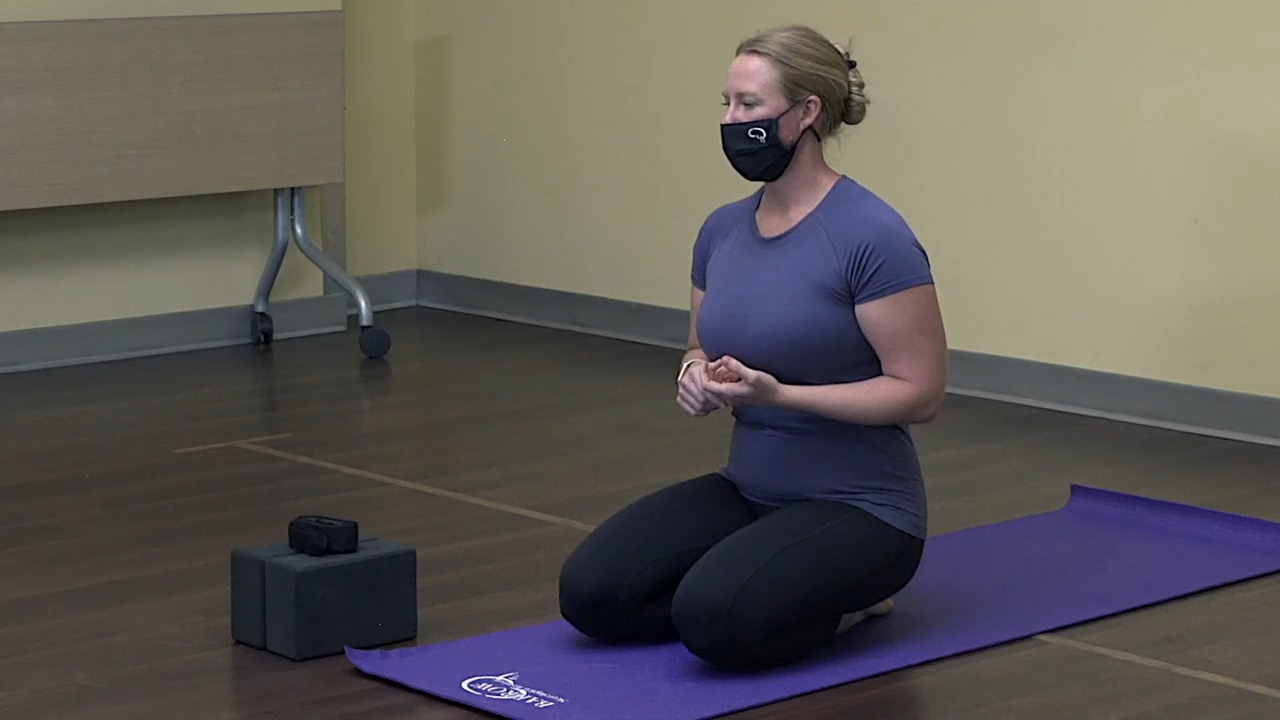
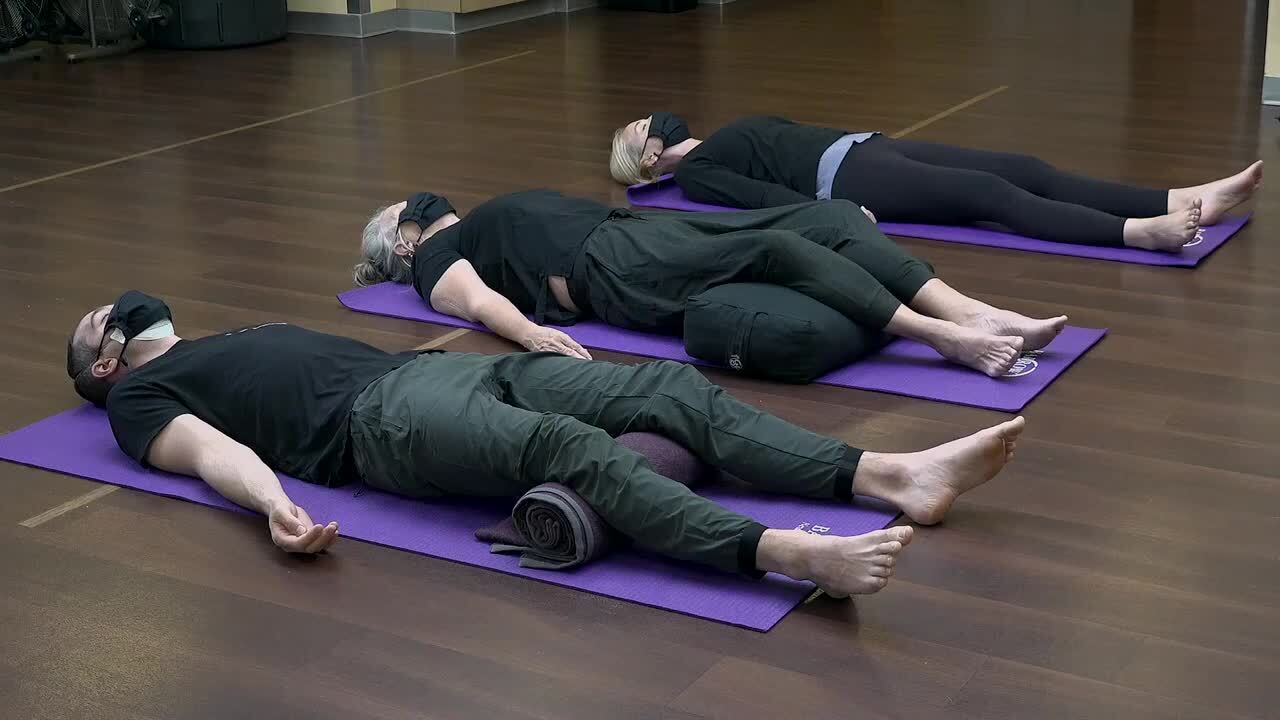
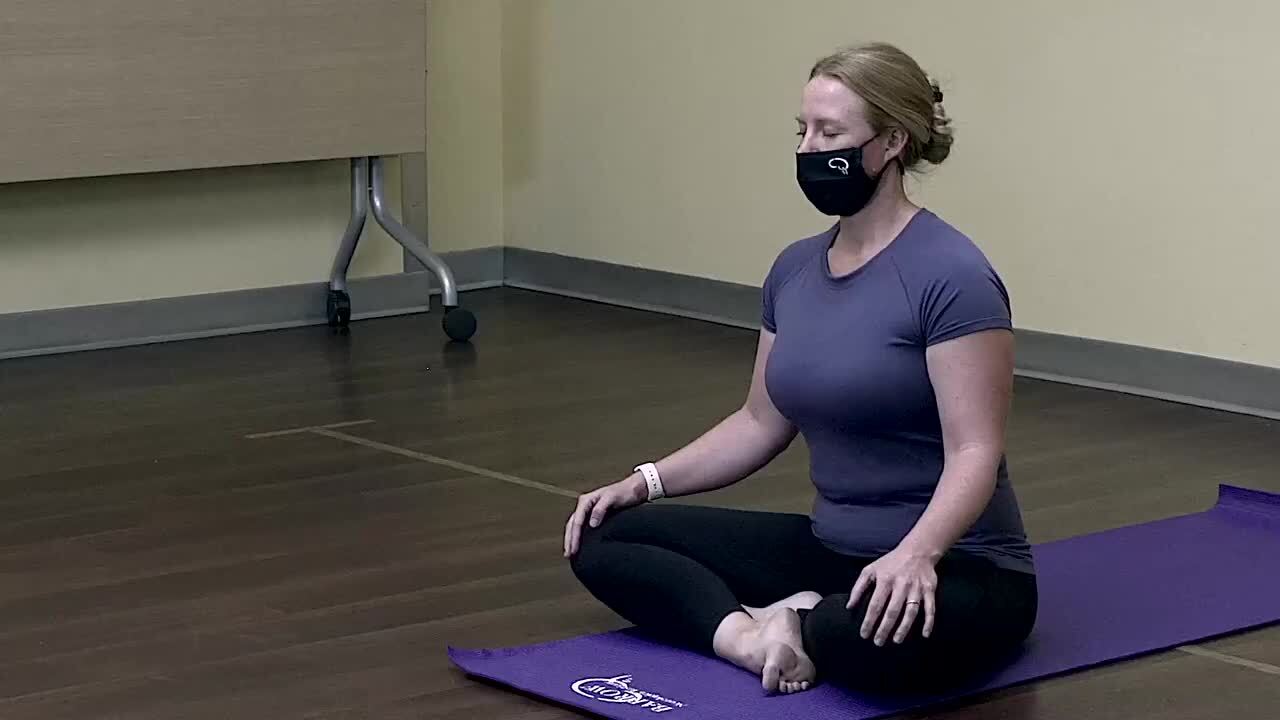
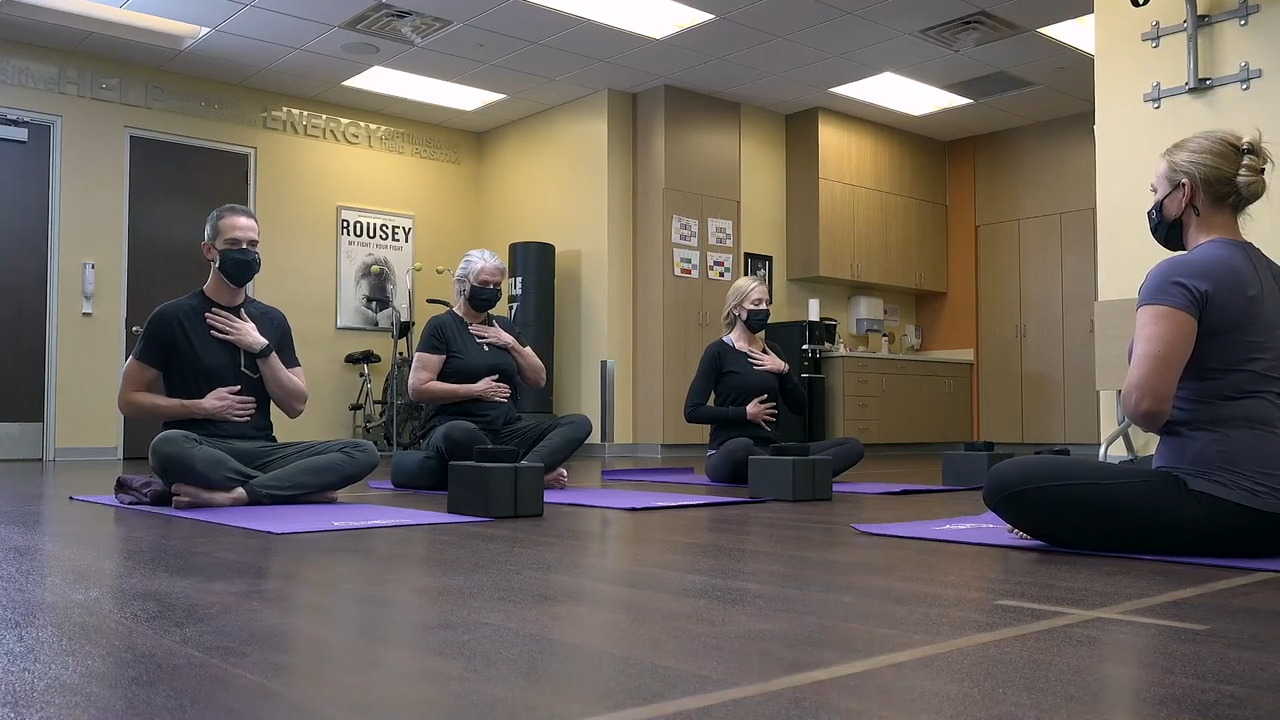
Video Series: Yoga for Migraine
Common Questions
How common are chronic daily headaches?
Approximately 5% of the U.S. population may experience severe headaches on a daily or almost-daily basis. To put this in perspective, that’s more than 17 million Americans. However, not all chronic daily headaches are experienced equally. Chronic tension-type headache is most commonly experienced in the general population, but those who end up in headache clinics are more likely to have chronic migraine.
Who gets chronic daily headaches?
Anyone can experience chronic daily headaches, although the greatest risk factors include:
- Being female: Chronic daily headache is 33% more common in women, with prevalence ranging from 5%–9% in women compared with 1%–3% in men in the United States.
- Mood disorders: More than 90% of chronic daily headache patients have coexisting psychiatric issues, particularly depression, anxiety, or both. The overlap is substantial enough that headache specialists routinely screen for and address these conditions as part of an overall treatment plan.
- Overusing headache medication: Among those who experience chronic daily headache, 63% have used headache or pain medication 14 or more days per month.
- Other co-occurring chronic pain conditions: Having a chronic pain disorder increases the risk of developing chronic daily headaches. This can result from overactive nerve cells in the brain and spinal cord and from neurotransmitter dysregulation or depletion that increases pain sensitivity.
- Having excess body fat: Certain factors increase the risk of progressing to the chronic daily headache category, including obesity. Being medically obese means having a Body Mass Index (BMI) of 30 or higher, as well as other important evaluations, like waist size.
What is the prognosis for someone with chronic daily headaches?
Chronic daily headache is treatable and often improves dramatically with the right care. Yet, it can also be helpful to think of the possible outcomes as a spectrum, rather than a guarantee. Most people with chronic daily headache see improvement over time, but the path isn’t always quick or straightforward—it requires patience, consistency, and some trial and error.
Roughly up to 50% of patients see meaningful improvement in chronic daily headache within 12–24 months, measured as complete remission or a substantial reduction. This means their headaches drop down to a more manageable, occasional pattern. Even though this same group is more likely to develop chronic daily headache in the first place, women and people over age 50 tend to have better odds of remission.
Conversely, nearly 25% of patients continue to struggle with a chronic headache pattern, especially individuals with a higher frequency of headaches, coexisting anxiety or sleep problems, and ongoing medication overuse.
Catching and addressing chronic daily headaches early—especially when it comes to medication overuse—is one of the biggest predictors for positive long-term outcomes. It’s also vital to engage in ongoing monitoring, as chronic daily headache has a strong probability of recurrence after resolving. Lowering anxiety and depression, as well as any sleep challenges, will also improve the likelihood of recovering and remaining headache-free.
Can chronic daily headaches be prevented?
While chronic daily headaches can’t be entirely prevented, there are practical steps that can reduce their frequency. Most chronic daily headaches develop as a progression from occasional or episodic headaches, so research continues to focus on identifying what pushes someone from “occasional headaches territory” into the chronic 15-or-more-days-per-month range.
The good news is that most of the strongest risk factors are modifiable. These include:
- Not overusing acute headache medication: This is the single most consistent and actionable prevention tool. If you find yourself reaching for pain relievers—even if they’re over-the-counter ones—more than 2–3 days a week on a regular basis, that’s a sign to talk to your doctor about starting a preventive medication, instead of continuing to treat each headache as it shows up.
- Tracking headache frequency and acting early: Keeping a daily headache diary to track your headache frequency, symptoms, and preceding behaviors is a useful early-warning tool, as the main warning sign that a headache is progressing is an increase in frequency. In other words, don’t wait until you’re having headaches for 15 or more days per month before seeking treatment—waiting until you technically qualify as “chronic” before starting prevention may mean missing the best window to intervene.
- Managing weight and staying physically active: Obesity is a consistent risk factor in nearly every chronic daily headache study. So, too, is physical inactivity. Regular physical activity can improve your physical and mental well-being, reduce stress, and help you manage your weight. Choosing activities you enjoy—whether that’s walking, bike riding, swimming, or yoga—is a great place to start.
- Addressing anxiety and depression: Untreated depression and anxiety are risk factors for headache progression. This, in turn, makes treatment of your anxiety and/or depression a legitimate headache-prevention strategy.
- Moderating caffeine intake: Both heavy caffeine use and a history of heavy caffeine use are flagged as chronic daily headache risk factors. By reducing the overall amount of caffeine in your diet, you can take an actionable step against recurring headache patterns.
- Prioritizing sleep quality and consistency: Most adults need 7–8 hours of sleep each night. Speak with your healthcare provider if you experience sleep disturbances, such as snoring, since this is also recognized as a risk factor.
While occasional headaches are common and generally do not require medical attention, it’s a good idea to speak with your healthcare provider if:
- You have two or more headaches each week
- You take a pain reliever for your headache two or more times a week
- You require more than the recommended dose of pain relievers to help with your headache
- Your headache pattern worsens
Resources
National Headache Foundation
National Institute of Neurological Disorders and Stroke