
Awards & Recognitions – August 2026
National Institutes of Health Grant
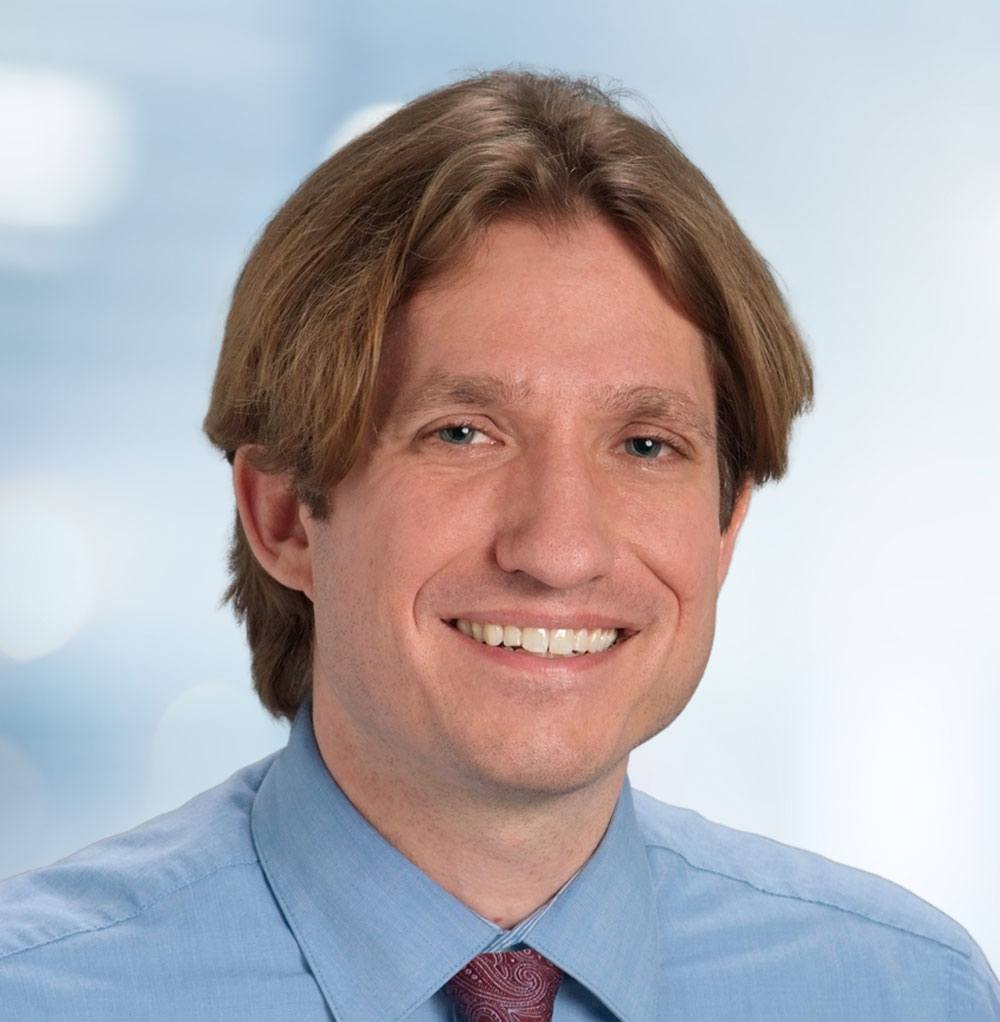
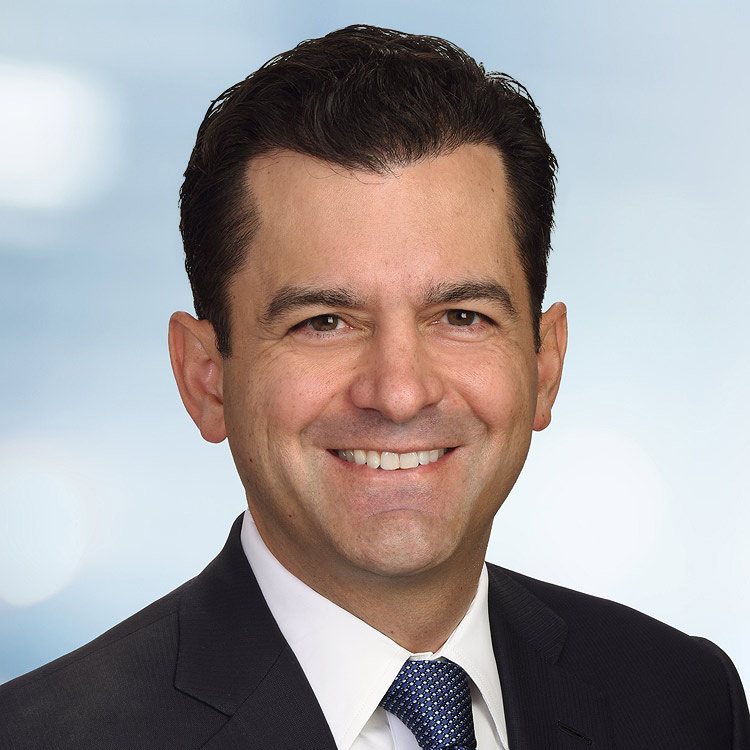
Barrow Neurological Institute is part of a multi-institutional clinical trial for patients with Lennox-Gastaut syndrome (LGS) that was recently awarded a $7 million grant from the National Institute of Neurological Disorders and Stroke (NINDS) of the National Institutes of Health (NIH).
LGS is a severe, childhood-onset epilepsy associated with frequent seizures that usually persist despite multiple medications, along with lifelong cognitive and behavioral challenges. The UG3/UH3 grant will fund a pilot study investigating a new way to deliver an established therapy. The trial, Adaptive Deep Brain Stimulation for Advanced Precision Therapy in LGS (ADAPT-LGS), uses deep brain stimulation (DBS), which has long been used in multiple disorders, such as Parkinson’s disease and focal epilepsy, but strategically times it to the moments in sleep when the brain is most vulnerable to seizures. This is because in many types of epilepsy, including LGS, seizures cluster during non-REM sleep, when brain activity becomes highly synchronized. During REM sleep, brain activity naturally falls out of sync, which is thought to make it harder for seizure activity to build and spread. ADAPT-LGS aims to recreate that protective state when seizures are most likely.
The approach will be highly personalized to individual patients using two stages. Participants will first undergo intracranial monitoring with stereoencephalography (sEEG) in the Epilepsy Monitoring Unit, where investigators aim to identify each patient’s electrical signatures of non-REM sleep. Patients will then receive DBS through an adaptive system that recognizes those signals and adjusts stimulation in real time, rather than running on a fixed schedule as conventional DBS does today. This early study is designed to determine safety and feasibility to guide larger trials, not to prove effectiveness. If the approach proves workable, it could point toward a paradigm shift in the surgical care of complex epilepsies.
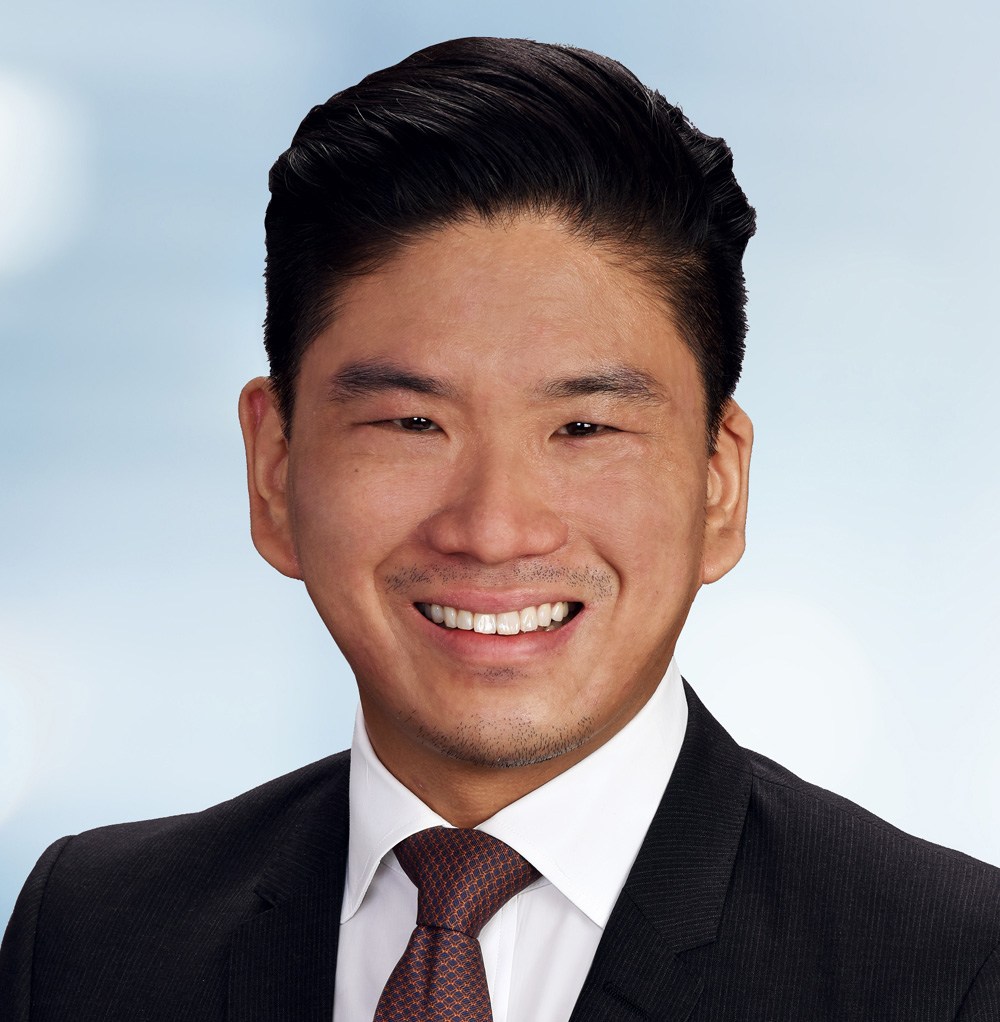
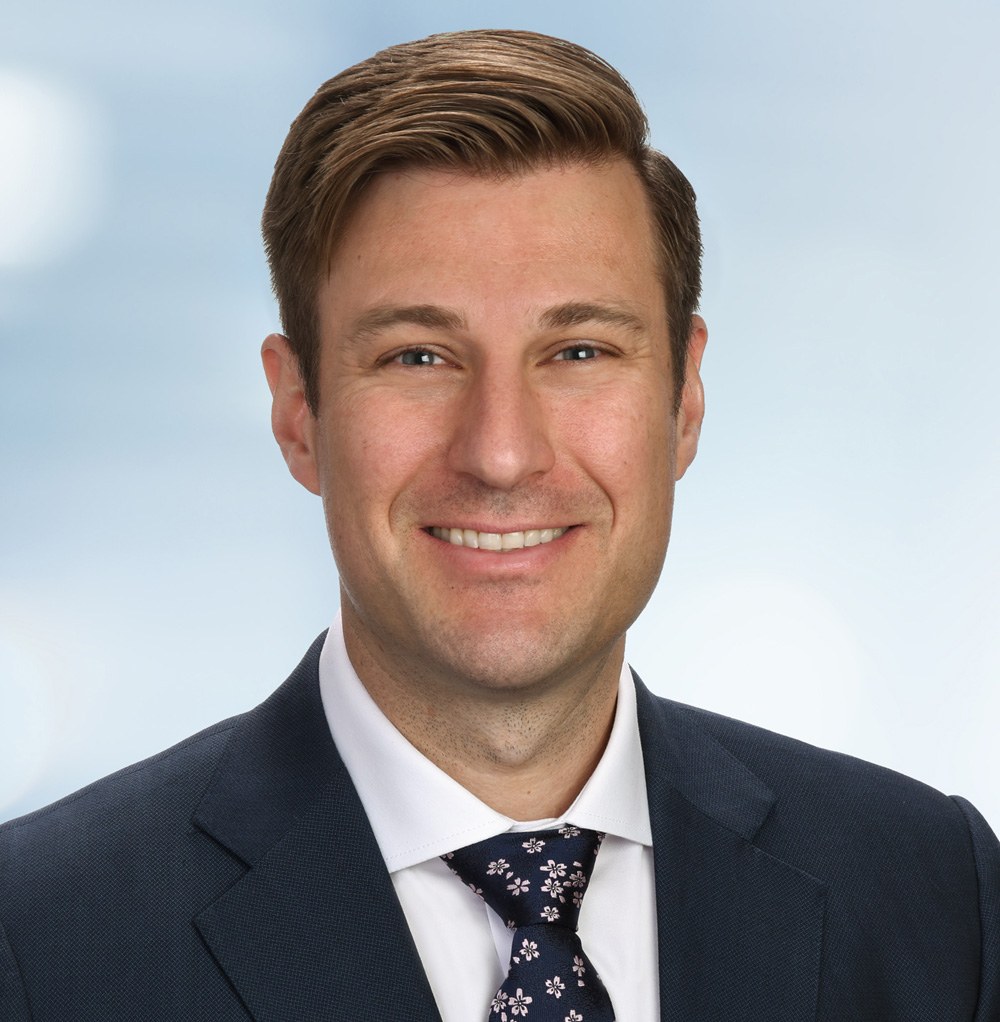
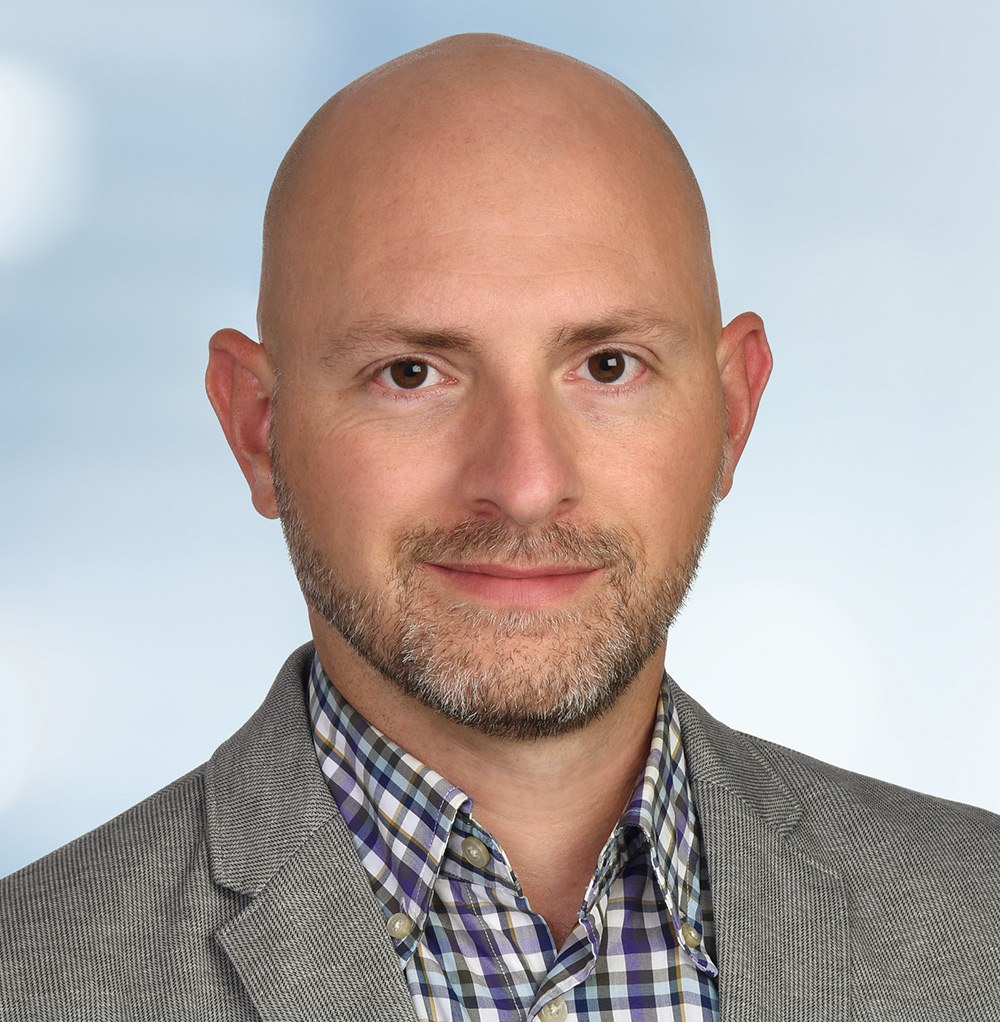
Barrow will enroll four of the trial’s 10 participants under the leadership of Andrew Yang, MD, MS, site principal investigator and director of epilepsy surgery at Barrow, and David Harris, MD, co-investigator and medical director of neuromodulation and surgical epilepsy. Other Barrow investigators include Technical Director of Magnetoencephalography (MEG) Stephen Foldes, PhD; neuropsychologist William Schultz, PhD; and DBS and Focused Ultrasound Program Director Francisco Ponce, MD. Sandipan Pati, MD, an alumnus of the Barrow Neurology Residency Program and now epilepsy division director at the University of Minnesota, is the contact principal investigator for the study. Enrollment at Barrow and Minnesota will be focused on adults 18 years of age and older; pediatric participants will be enrolled at the University of Texas Southwestern.
JNS: Spine Cover
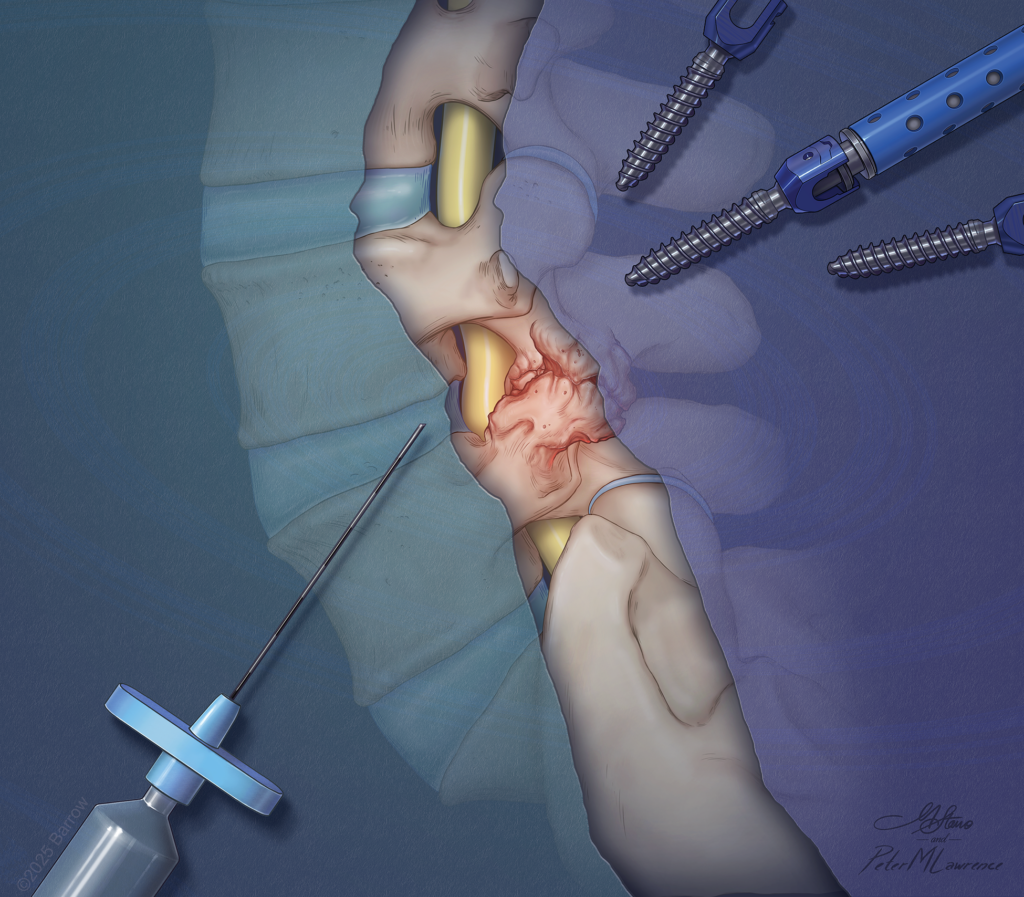
The Journal of Neurosurgery: Spine selected an illustration from Barrow Neurological Institute for the cover of their August 2026 issue.
Created by Barrow Neuroscience Publications medical illustrators Peter M. Lawrence and Miranda Stano, the illustration depicts pain management procedures, including nerve blocks, and instrumentation of the spine. The illustration accompanies a paper from Barrow titled, “Prevalence of interventional spine procedures performed by pain management physicians: blurred boundaries.”
Authors: Juan P. Giraldo, MD; Gabriella P. Williams, MD; Nikhil Dholaria; Brayden Haberman; Katriel E. Lee, MD; Jonathan J. Lee, MD; Jay D. Turner, MD, PhD; Juan S. Uribe, MD
Becker’s ‘Rising Star in Neurosurgery’
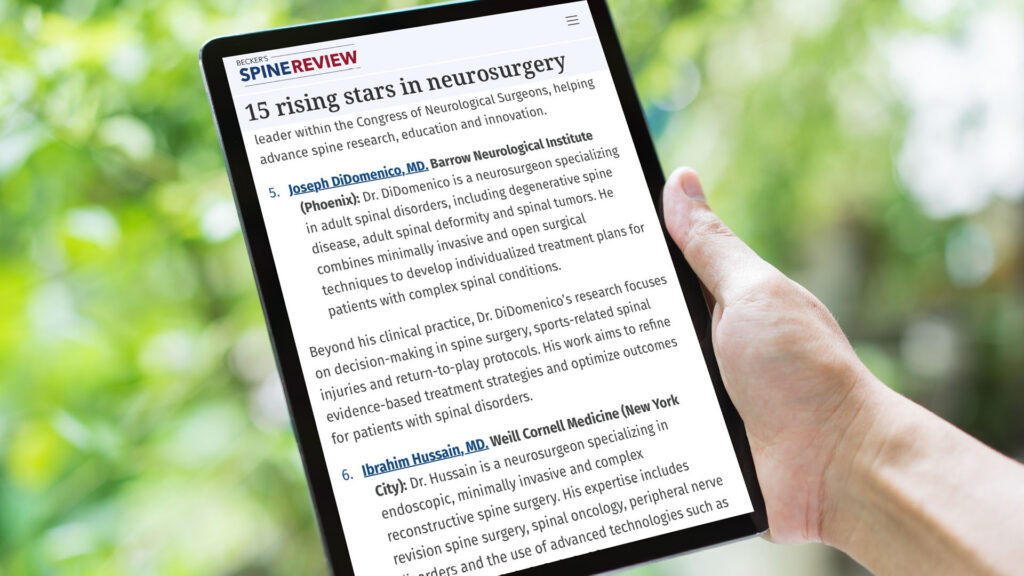
Barrow neurosurgeon and alumnus Joseph DiDomenico, MD, was named one of the “15 Rising Stars in Neurosurgery” by Becker’s Spine Review. The list highlights neurosurgeons who are proving themselves to be “emerging leaders in the field through clinical expertise, scientific contributions, technological innovation, and commitment to educating the next generation.”
The article recognized Dr. DiDomenico’s expertise in the surgical treatment of complex spinal conditions and noted his research, through which he aims to refine evidence-based treatment strategies and optimize outcomes for patients with spinal disorders.
Mountain West Society of Toxicology Award
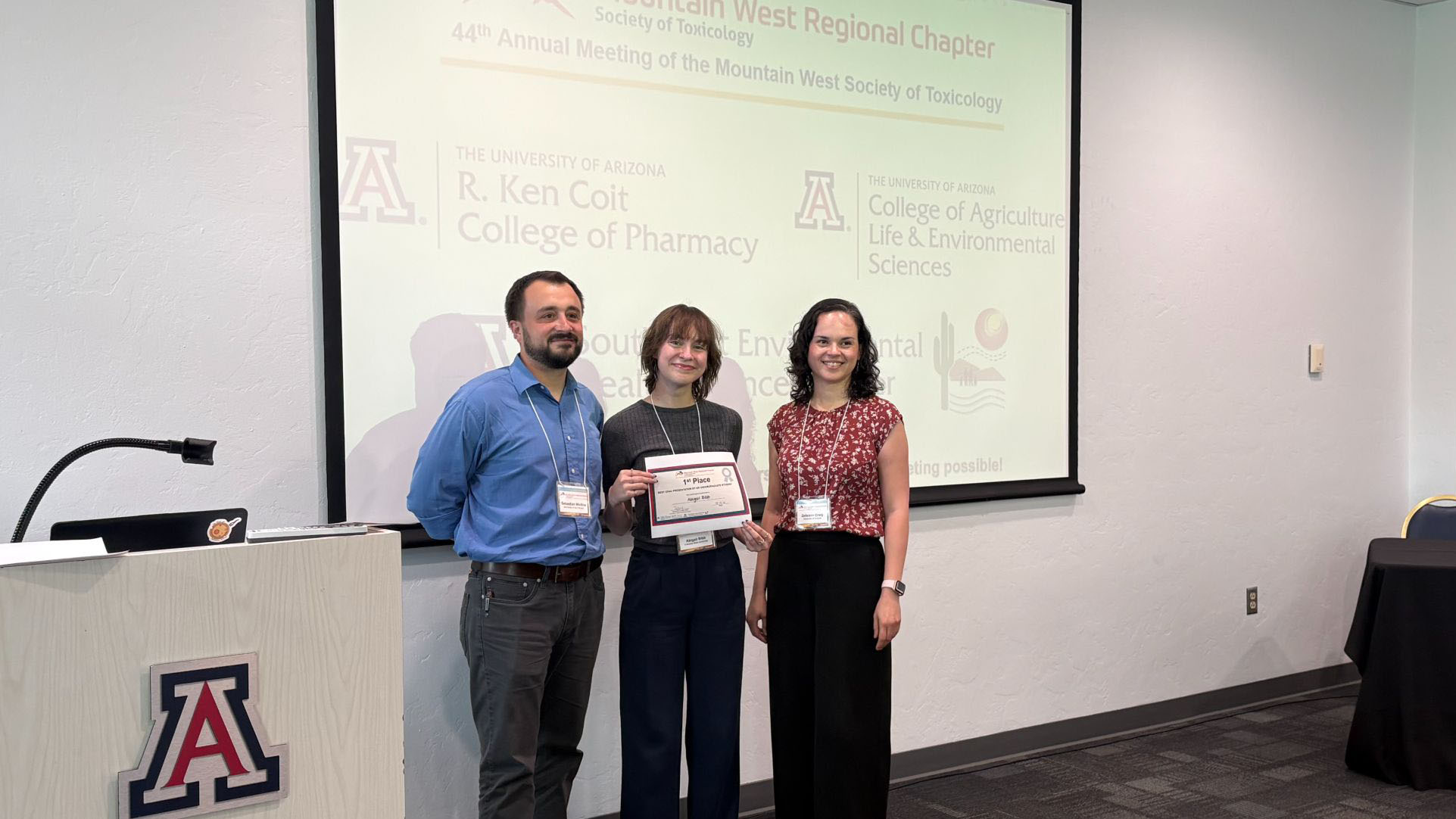
Abigail Bibb, research coordinator in the Tjalkens Laboratory at Barrow, received first place in the undergraduate oral presentation category at the 44th Annual Meeting of the Society of Toxicology Mountain West Regional Chapter, hosted by the University of Arizona in Tucson. Abigail presented on the effects of STING knockout in the juvenile manganese model of Parkinson’s disease.
AZ Department of Health Services Grant
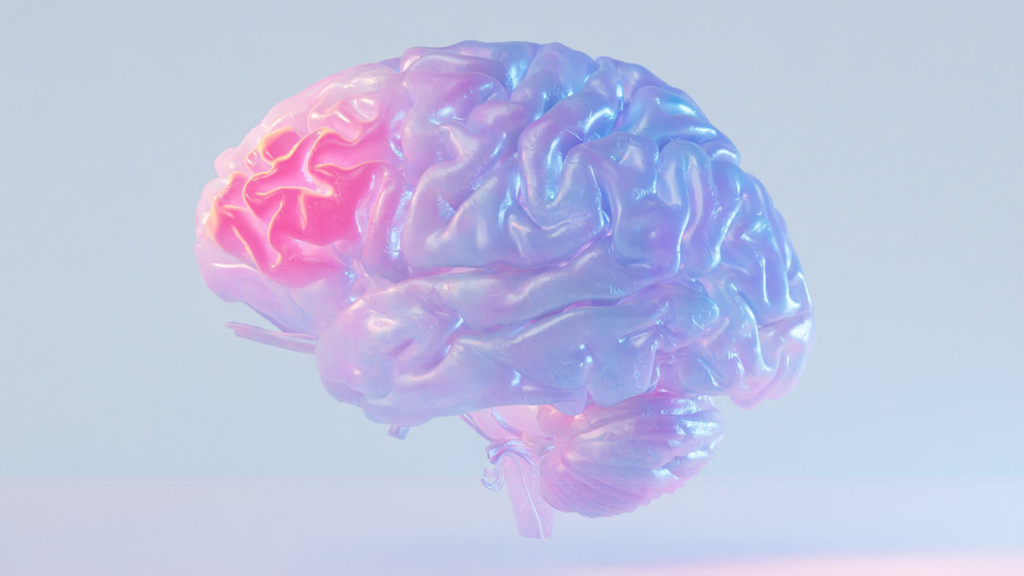
Barrow Neurological Institute has received a $5 million grant from the Arizona Department of Health Services to study ibogaine treatment in people with neurological disorders such as traumatic brain injury (TBI). Ibogaine is among a handful of psychedelic drugs, also known as psychoplastogens and neuroplastogens, gaining global attention for their potential medical uses.
The Phase 1/2 clinical trial will be led by principal investigator Anna Burke, MD, and co-investigators Susan Criswell, MD, MSCI; Michael T. Lawton, MD; Susan Herman, MD; and Chia-Ling Phuah, MD, MMSc. They will collaborate with researchers from Arizona State University’s John Shufeldt School of Medicine and Mechanical Engineering and School of Life Sciences.
Doximity’s No. 1 Neurosurgery Residency
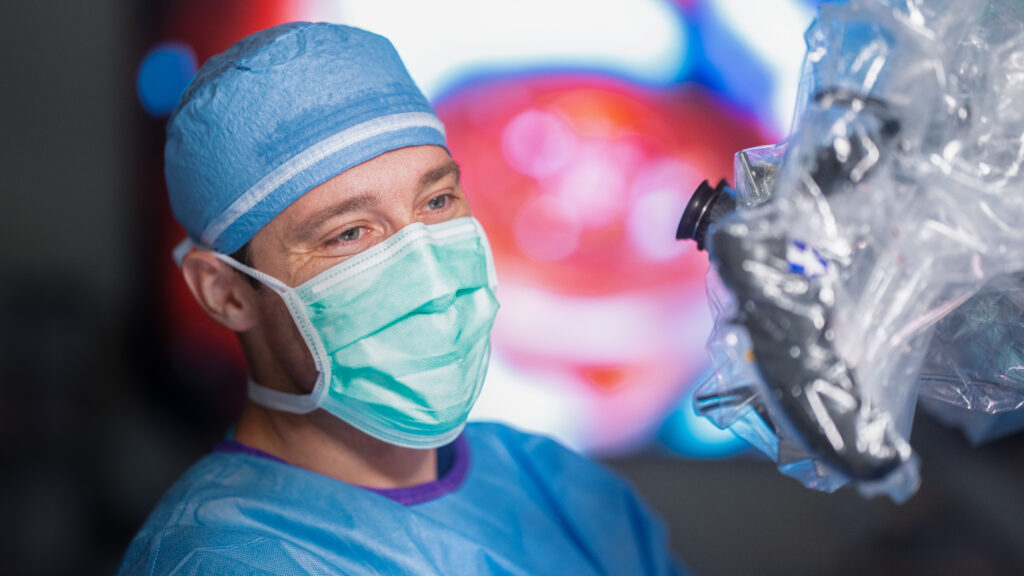
For the third consecutive year, Barrow Neurological Institute is home to the country’s No. 1 neurosurgery residency program ranked by reputation, according to the Doximity Residency Navigator.
As an online networking service for medical professionals, Doximity updates its Residency Navigator each year to empower graduating medical students to make informed decisions when applying for residency programs in various specialties. According to the website, approximately 90% of graduating fourth-year medical students use this directory.
To determine the 2026-27 rankings, Doximity evaluated satisfaction surveys of current residents and recent graduates, nominations by board-certified physicians within each specialty, and objective data from various public sources.
U.S. News ‘Best Hospitals for Rehabilitation’
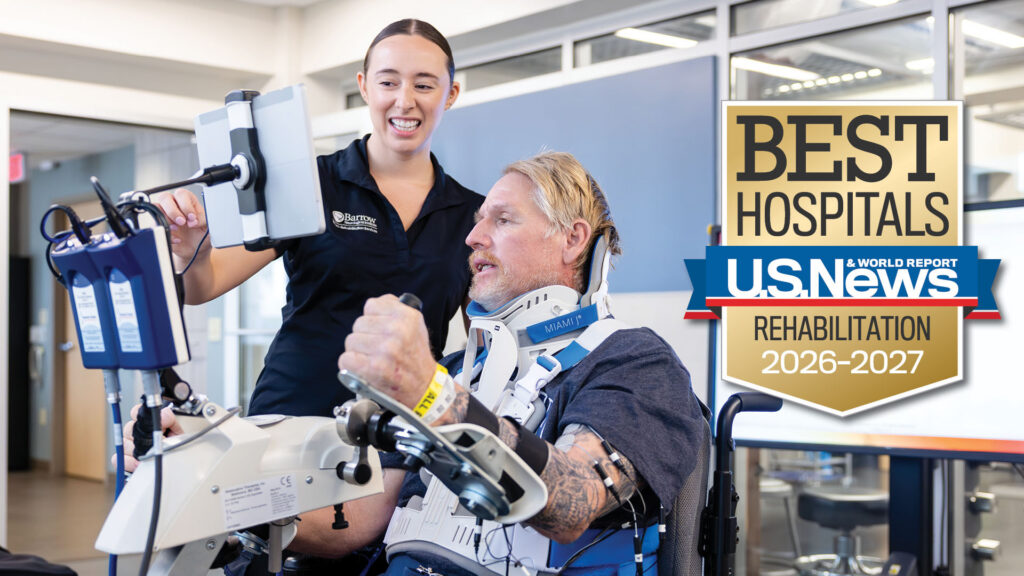
For the fifth consecutive year, U.S. News & World Report has named Barrow Neurological Institute as one of the country’s “Best Hospitals for Rehabilitation.”
To develop the 2026-27 rehabilitation list, U.S. News evaluated 1,131 rehabilitation hospitals around the country using data from publicly available sources like Medicare. Reviewers considered several factors, including prevention of hospital readmission, patient volume, reputation, and CARF accreditation.
Barrow Neurological Foundation Fundraising
Barrow Neurological Foundation concluded its 2026 fiscal year (July 2025–June 2026) with $28.7 million in gifts from more than 3,000 generous donors. This includes $11.4 million raised through the efforts of the Women’s Board of Barrow Neurological Foundation for the 61st Barrow Grand Ball. Following a 20-year tradition, the group was proud to select the Ivy Brain Tumor Center as the 2026 Women’s Board Project.